Validating Autism Spectrum Disorder Genes through Protein Interaction Networks: Systems Biology Approaches and Clinical Translation
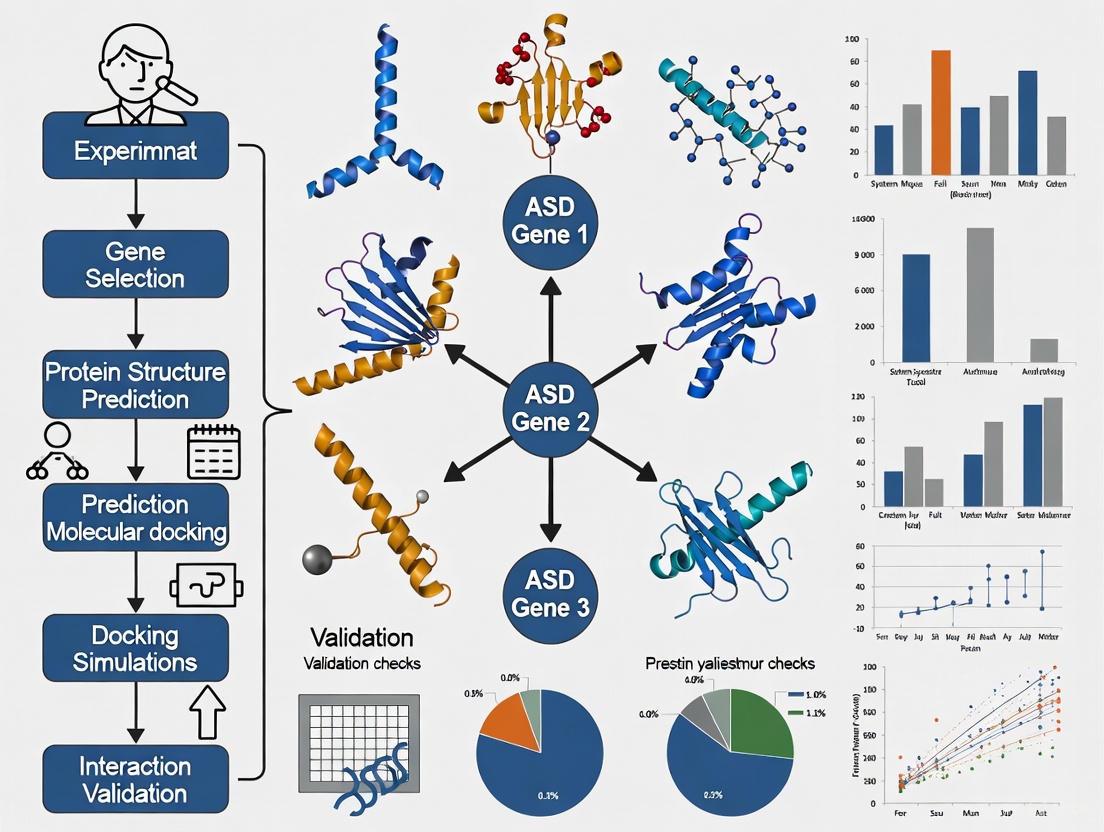
This comprehensive review explores the critical role of protein-protein interaction (PPI) network analysis in validating Autism Spectrum Disorder (ASD) risk genes.
Validating Autism Spectrum Disorder Genes through Protein Interaction Networks: Systems Biology Approaches and Clinical Translation
Abstract
This comprehensive review explores the critical role of protein-protein interaction (PPI) network analysis in validating Autism Spectrum Disorder (ASD) risk genes. We examine systems biology approaches that integrate multi-omic data to prioritize candidate genes, focusing on network topology metrics like betweenness centrality and machine learning integration. The article details methodological frameworks for constructing neuronal-specific interactomes and validating predictions through experimental models. By comparing computational predictions with experimental evidence and clinical data, we highlight how network validation bridges the gap between genetic discoveries and therapeutic development, offering researchers and drug development professionals actionable insights for translating network biology into clinical applications.
Building the Blueprint: Systems Biology Foundations for ASD Gene Discovery
The Complex Genetic Architecture of Autism Spectrum Disorder
Autism Spectrum Disorder (ASD) represents a complex neurodevelopmental condition with a highly heterogeneous genetic architecture. While hundreds of risk genes have been identified, understanding how these diverse genetic factors converge on common biological pathways remains a central challenge in the field. The traditional single-gene approach has proven insufficient for unraveling this complexity, leading researchers to adopt protein interaction network validation as a crucial methodology. This approach moves beyond gene-level associations to map the physical interactions and functional relationships between proteins encoded by ASD risk genes, revealing convergent molecular pathology despite genetic heterogeneity.
Recent technological advances have enabled the construction of cell-type-specific protein-protein interaction (PPI) networks in human neurons, revealing that approximately 90% of neurally relevant PPIs were previously unknown [1] [2]. This discovery emphasizes the critical importance of experimental PPI mapping in disease-relevant cell types rather than relying solely on literature-curated interactions, which are often incomplete and carry inherent biases [3]. The integration of these network-based approaches with machine learning algorithms is now bridging the gap between basic transcriptomic discoveries and clinical applications, potentially leading to improved biomarkers and therapeutic targets [4].
Methodological Approaches for Protein Interaction Network Validation
Experimental Systems for Network Mapping
The validation of protein interaction networks in ASD research employs multiple complementary experimental approaches, each with distinct methodologies and applications. The table below summarizes the core experimental protocols used in key recent studies.
Table 1: Experimental Methodologies for Protein Interaction Network Validation in ASD Research
| Methodology | Core Technique | Cell/Tissue System | Key Advantages | Primary Validation Approach |
|---|---|---|---|---|
| Affinity Purification Mass Spectrometry (AP-MS) [1] | Immunoprecipitation combined with LC-MS/MS quantification | Human stem-cell-derived neurogenin-2 induced excitatory neurons (iNs) | Captures endogenous protein complexes in relevant cell type; high specificity | Replication (80%) in independent experiments; western blot validation |
| Yeast-Two-Hybrid (Y2H) Screening [3] | Binary interaction mapping in yeast system | Cloned brain-expressed splicing isoforms | Tests direct physical interactions; accommodates isoform-specific interactions | Multiple retests (≥3/4 positive); mammalian PPI trap assay orthologous validation |
| Mammalian Protein-Protein Interaction Trap (MAPPIT) [3] | Cytokine receptor reconstitution in mammalian cells | Heterologous system (HEK293) | Orthologous validation in mammalian cellular environment | Benchmarking against positive and random reference sets |
| Neuronal Proteomics in Mouse Models [1] | Immunoprecipitation from brain tissue | Mouse cortical neurons | In vivo relevance; conservation across species | Comparison with human neuronal networks |
Computational and Bioinformatics Integration
Complementing experimental approaches, computational methods have become increasingly sophisticated for analyzing and validating protein interaction networks. Network propagation techniques applied to protein-protein interaction networks have demonstrated high accuracy in predicting ASD-associated genes, achieving an area under the ROC curve of 0.87 and area under the precision-recall curve of 0.89 [5]. This method integrates multiple genomic data types—including GWAS, differential gene expression, alternative splicing changes, and differential methylation—by using known ASD-related genes as seeds to pinpoint other genes with high network proximity.
The random forest model has emerged as a particularly powerful tool for integrating network-based features. When trained on SFARI Gene Scoring categories, this machine learning approach successfully identified high-confidence ASD genes while outperforming previous prediction methods [5]. Functional enrichment analysis of top predicted genes reveals significant association with biological processes including chromatin organization, histone modification, and neuron cell-cell adhesion—pathways repeatedly implicated in ASD pathophysiology [5].
Key Validated Networks and Their Biological Significance
Neuronal Protein Interaction Networks
Groundbreaking work by Pintacuda et al. (2023) established human neuronal protein-protein interaction networks for 13 high-confidence ASD risk genes, identifying over 1,000 interactions in induced human neurons [1] [2]. Remarkably, approximately 90% of these interactions were novel, underscoring the limitation of previous networks built from non-neural cell lines or literature curation. This network revealed several key biological insights:
- Limited direct connectivity: The 13 index proteins showed little overlap in their interacting partners, suggesting diverse molecular functions despite their association with a common disorder [1].
- Central connector complexes: Insulin-like growth factor 2 mRNA-binding proteins (IGF2BP1-3), which form an m6A-reader complex, emerged as highly interconnected nodes, interacting with at least 5 index proteins each and potentially serving as convergence points in ASD pathology [1].
- Isoform-specific interactions: Investigation of ANK2 isoforms revealed that a neuron-specific transcript containing a giant exon (exon 37) was required for numerous disease-relevant interactions, providing mechanistic insight into how mutations in this exon increase ASD risk [1].
Table 2: Key Validated Protein Complexes in ASD Neuronal Networks
| Complex/Module | Core Components | Biological Function | Network Properties | Experimental Validation |
|---|---|---|---|---|
| IGF2BP m6A-reader complex [1] | IGF2BP1, IGF2BP2, IGF2BP3 | mRNA modification and regulation | Highly interconnected hub; interacts with ≥5 index ASD proteins | Co-immunoprecipitation in human iNs |
| Chromatin remodeling module [5] | Multiple histone family genes | Chromatin organization; histone modification | Functional enrichment in predicted ASD genes | Gene set enrichment analysis |
| Synaptic vesicle trafficking hub [6] | Proteins involved in synaptic transmission | Synaptic vesicle trafficking and membrane excitability | Highly connected nodes in co-expression networks | Differential expression in PTHS neural cells |
| Cell adhesion complex [5] | Neuronal cell-cell adhesion proteins | Neuronal connectivity and synaptic formation | Enriched in functional annotation of network-predicted genes | Integration of multiple omic datasets |
Alternative Splicing Networks
The Autism Spliceform Interaction Network (ASIN) represents a pioneering effort to map interactions between naturally occurring brain-expressed alternatively spliced isoforms of ASD risk genes [3]. This approach cloned 373 brain-expressed splicing isoforms corresponding to 124 autism candidate genes, with over 60% representing novel isoforms not previously annotated in major databases. Key findings include:
- Isoform-specific interactions: The ASIN revealed that almost half of the detected interactions and approximately 30% of newly identified interacting partners represented contributions from splicing variants, emphasizing that isoform-specific networks provide critical detail beyond gene-level analyses [3].
- CNV connectivity: The isoform-based network directly connected genes from a large number of ASD-relevant copy number variations (CNVs) into a single connected component, suggesting potential mechanistic links between genetically distinct ASD cases [3].
- Validation rigor: The network employed a rigorous four-stage retesting protocol for all corresponding protein isoforms, controlling for potential biases arising from sampling sensitivity, with orthogonal validation using mammalian protein-protein interaction trap assays [3].
The following diagram illustrates the workflow for constructing and validating the Autism Spliceform Interaction Network:
Integration with Genetic and Phenotypic Heterogeneity
Genetic Architecture Informing Phenotypic Diversity
Recent large-scale studies have demonstrated that the genetic architecture of ASD directly corresponds to its phenotypic heterogeneity. Through generative mixture modeling of 239 phenotypic features across 5,392 individuals, four robust phenotypic classes have been identified [7]:
- Social/behavioral (n=1,976): High scores across core autism categories plus disruptive behavior, attention deficit, and anxiety, without developmental delays.
- Mixed ASD with DD (n=1,002): Nuanced presentation with strong enrichment of developmental delays.
- Moderate challenges (n=1,860): Consistently lower scores across all measured categories compared to other autistic children.
- Broadly affected (n=554): Consistently higher scores across all categories.
Remarkably, these phenotypic classes demonstrate distinct genetic profiles. Analysis of de novo and rare inherited variation reveals diverging genetic patterns across gene sets and pathways corresponding to these classes [7]. Furthermore, class-specific differences in the developmental timing of affected genes align with clinical outcome differences, suggesting that rare variation is associated with class-specific gene expression patterns during development [7].
Polygenic Profiles and Cognitive Correlations
The polygenic architecture of ASD can be decomposed into two modestly genetically correlated (r_g = 0.38) factors associated with different developmental trajectories and cognitive profiles [8]:
- Factor 1: Associated with earlier autism diagnosis and lower social and communication abilities in early childhood, moderately genetically correlated with ADHD and mental-health conditions.
- Factor 2: Associated with later autism diagnosis and increased socioemotional and behavioural difficulties in adolescence, with moderate to high positive genetic correlations with ADHD and mental-health conditions.
Bidirectional genetic overlap analyses reveal a complex relationship between ASD and cognitive traits. While there is a modest positive genetic correlation between ASD and both educational attainment (rg = 0.21) and intelligence (rg = 0.22) at the global level, the MiXeR method demonstrates that these traits share thousands of genetic variants with mixed effect directions [9]. Specifically, 12.7k genetic variants are associated with ASD, of which 12.0k are shared with educational attainment and 11.1k with intelligence, with 59-68% of estimated shared loci having concordant effect directions [9].
The Scientist's Toolkit: Essential Research Reagents
Table 3: Key Research Reagent Solutions for ASD Network Validation Studies
| Reagent/Resource | Specifications | Research Application | Example Use |
|---|---|---|---|
| Human ORFeome 5.1 [3] | ~15,000 open reading frames | Comprehensive interaction screening | Yeast-two-hybrid screening against ASD isoforms |
| STRING Database [6] | Known and predicted protein interactions with confidence scores | Interactome generation and hypothesis generation | Building preliminary networks for PTHS-related genes |
| SFARI Gene Database [5] | Curated ASD risk genes with evidence scores | Training and testing machine learning classifiers | Defining positive cases for random forest models |
| Stem-cell-derived iNs [1] | Neurogenin-2 induced excitatory neurons | Cell-type-specific interaction mapping | AP-MS for 13 high-confidence ASD risk genes |
| BrainSpan Atlas [5] | Spatiotemporal transcriptome data of human brain development | Contextualizing network findings in brain development | Integration with network propagation features |
| MAPPIT System [3] | Mammalian protein-protein interaction trap assay | Orthologous validation of interactions | Confirming Y2H findings in mammalian cellular environment |
| Weighted Gene Co-expression Network Analysis (WGCNA) [6] | R package for co-expression network construction | Identifying modules of co-expressed genes | Analyzing RNA-seq data from PTHS neural cells |
The validation of protein interaction networks in ASD research has transformed our understanding of the disorder's genetic architecture, moving from a focus on individual risk genes to interconnected functional modules. The integration of experimental network mapping in disease-relevant cell types with computational approaches has revealed unprecedented biological convergence, with implications for both biomarker development and therapeutic targeting.
Recent studies have successfully bridged basic network discoveries with clinical applications. For instance, network analysis combined with machine learning has identified ten key feature genes (SHANK3, NLRP3, SERAC1, TUBB2A, MGAT4C, TFAP2A, EVC, GABRE, TRAK1, and GPR161) with the highest importance scores for autism prediction [4]. Immune infiltration analysis further showed significant correlations between these genes and multiple immune cell types, demonstrating complex pleiotropic associations within the immune microenvironment [4]. Notably, MGAT4C emerged as a particularly robust biomarker with an AUC of 0.730 in differentiating ASD from controls [4].
The continuing evolution of network validation methodologies—including isoform-resolution interaction mapping, cell-type-specific proteomics, and multidimensional data integration—promises to further unravel the complexity of ASD. These approaches provide a framework for understanding how diverse genetic risk factors converge on disrupted biological pathways, ultimately advancing toward personalized interventions based on an individual's specific genetic and network profile.
Protein-Protein Interaction Networks as Biological Roadmaps
Protein-protein interaction (PPI) networks provide a crucial framework for understanding cellular machinery, where biological function emerges through the intricate web of physical interactions between a cell's molecular constituents [10] [11]. These networks represent proteins as nodes and their physical interactions as edges, creating a comprehensive map of cellular function that has become fundamental to modern biology [12]. In the context of complex neurodevelopmental conditions such as autism spectrum disorder (ASD), PPI networks offer unparalleled insights for parsing phenotypic heterogeneity and identifying convergent biological pathways [2] [13]. The fundamental premise is that proteins involved in the same biological process or complex often interact physically, and that the distortion of these protein interfaces may lead to the development of many diseases [10]. Despite exceptional experimental efforts to map out human interactomes, continued data incompleteness limits our ability to fully understand the molecular roots of human disease, creating a pressing need for sophisticated computational tools to identify biologically significant, yet unmapped interactions [11]. This guide objectively compares the performance of established and emerging methodologies for PPI network analysis, with particular emphasis on their application to ASD gene validation and research.
Methodological Landscape: Experimental and Computational Approaches
Experimental Foundations for Network Construction
The accuracy of any PPI network analysis fundamentally depends on the quality of the underlying interaction data. Several well-established experimental techniques form the bedrock of PPI network construction:
Yeast Two-Hybrid (Y2H): This in vivo method screens for binary protein interactions by leveraging the modular nature of transcription factors. A "bait" protein is fused to a DNA-binding domain, while "prey" proteins are fused to an activation domain. Interaction between bait and prey reconstitutes a functional transcription factor, activating reporter genes [10]. While powerful for large-scale screening, Y2H has limitations including false positives from nonspecific interactions and difficulties with membrane proteins or those requiring post-translational modifications not present in yeast [10].
Tandem Affinity Purification with Mass Spectrometry (TAP-MS): This method purifies native protein complexes under near-physiological conditions using a two-step purification tag. The TAP tag consists of two IgG binding domains of Staphylococcus protein A and a calmodulin binding peptide separated by a tobacco etch virus protease cleavage site [10]. After purification, complex components are identified via MS, providing information on higher-order interactions beyond binary pairs [10].
Mass Spectrometry (MS): Advanced MS techniques identify polypeptide sequences based on mass-to-charge ratios, with Electrospray Ionization (ESI) and Matrix Assisted Laser Desorption Ionization (MALDI) solving the challenge of converting molecules to ions in the gas phase [10].
Table 1: Core Experimental Methods for PPI Data Generation
| Method | Principle | Scale | Key Advantages | Key Limitations |
|---|---|---|---|---|
| Yeast Two-Hybrid (Y2H) | Reconstitution of transcription factor via protein interaction | Binary interactions | In vivo detection, suitable for screening | False positives, challenges with membrane proteins |
| TAP-MS | Two-step affinity purification of protein complexes | Complex identification | Identifies native complexes, higher-order interactions | May miss transient interactions |
| Mass Spectrometry | Detection based on mass-to-charge ratios | Protein identification | High accuracy for identification | Requires protein purification |
Computational Prediction and Validation Methods
To address the inherent noise, incompleteness, and high false positive/negative rates in experimental PPI datasets [14] [15], numerous computational methods have been developed:
Traditional Link Prediction (Common Neighbors/TCP): Based on the triadic closure principle from social network analysis, these methods assume that proteins sharing multiple interaction partners are likely to interact themselves. The Common Neighbors algorithm quantifies this as the number of shared partners between two proteins [11]. However, recent evidence challenges this approach, showing that in PPI networks, the higher the Jaccard similarity between two proteins, the lower the chance they interact—a phenomenon termed the "TCP Paradox" [11].
L3 Principle (Paths of Length Three): This method offers a paradigm shift from traditional link prediction by proposing that proteins interact not if they are similar to each other, but if one is similar to the other's partners [11]. Mathematically implemented using degree-normalized paths of length three (L3), this approach significantly outperforms TCP-based methods. The L3 score is calculated as:
pXY = Σ(aXU × aUV × aVY) / √(kU × kV)whereaXUindicates interaction between proteins X and U, andkUis the degree of node U [11].Emerging Patterns (ClusterEPs): A supervised method that discovers contrast patterns distinguishing true complexes from random subgraphs in PPI networks [15]. These patterns combine multiple network properties (e.g., mean clustering coefficient, degree correlation variance) to create an integrative score measuring how likely a subgraph can form a complex [15].
Network Reconstruction and Edge Enrichment: These approaches address data quality issues by using protein similarity metrics (sequence similarity, local similarity indices like Common Neighbors and Jaccard Index, global similarity indices like Katz index and Random Walk with Restart) to either reconstruct the network or enrich it with additional edges [12].
Performance Comparison: Experimental Validation and Benchmarking
Computational Cross-Validation of Prediction Methods
Comprehensive computational cross-validation testing reveals significant performance differences between prediction methodologies. When randomly splitting networks into training and test sets (50% each), the L3 method demonstrates precision 2-3 times higher than Traditional Common Neighbors (TCP/CN) across all datasets [11]. This performance advantage holds for both binary interactomes and co-complex associations, with paths of length three (L3) showing optimal predictive power compared to longer paths [11].
Table 2: Performance Comparison of PPI Prediction Methods
| Method | Principle | Precision Advantage | Experimental Validation Rate | Best Use Case |
|---|---|---|---|---|
| L3 | Degree-normalized paths of length three | 2-3x higher than TCP/CN [11] | Significantly outperforms CN and PA in HT screens [11] | General-purpose prediction, especially for binary interactions |
| Common Neighbors (TCP) | Triadic closure principle | Baseline | Lower retest rates in experimental validation [11] | Social networks (less suitable for PPIs) |
| ClusterEPs | Emerging patterns contrasting complexes vs. random subgraphs | Higher precision and recall than SCI-BN, RM [15] | Better maximum matching ratio than 7 unsupervised methods [15] | Complex prediction from sparse subgraphs |
| PrePPI | Structural, sequence & biological evidence combination | Lower than L3 in experimental retests [11] | Several-fold lower retest rates than literature-curated interactions [11] | When structural information is available |
Experimental Validation in High-Throughput Screens
Independent high-throughput experimental validation provides the most rigorous assessment of prediction accuracy. When testing predictions against a systematic, binary human PPI map (HI-III) resulting from an independent screen over ~18,000 × 18,000 human protein pairs, L3 significantly outperformed both Common Neighbors and Preferential Attachment principles [11]. ClusterEPs has also been experimentally validated, demonstrating an ability to detect challenging complexes like the RNA polymerase I complex (14 proteins) and the RecQ helicase-Topo III complex (3 proteins), even when these represent not-well-separated subgraphs connecting to many external proteins [15].
Application to ASD Gene Research: Biological Insights and Validation
Network-Based Approaches to ASD Heterogeneity
PPI network analysis has proven particularly valuable in ASD research, where phenotypic heterogeneity represents a significant challenge. Recent studies have demonstrated how rare protein-disrupting risk variants implicated in ASDs converge in specific interaction networks, with proteomics in induced human neurons identifying more than 1,000 interactions, 90% of which were not previously reported [2]. This emphasizes the critical importance of cell-type- and isoform-specific protein interactions in ASD pathophysiology [2].
Multi-step analyses leveraging PPI networks have successfully identified gene sets with different loads of protein-altering variants between ASD subgroups divided by intelligence quotient (IQ) [13]. These gene sets cluster into modules involved in ion cell communication, neurocognition, gastrointestinal function, and immune system—with these modules showing high expression in specific brain structures across development [13]. Through spatio-temporal brain co-expression and physical interaction analysis, these modules can be extended to identify genes with over-represented autism susceptibility genes according to the Simons Foundation Autism Research Initiative database [13].
ASD PPI Network Analysis Workflow: This diagram illustrates the multi-step approach for identifying functionally relevant protein interaction modules in autism spectrum disorder, integrating genetic, clinical, and network data [13].
Experimental Protocols for ASD-Focused Network Validation
For researchers investigating ASD mechanisms through PPI networks, the following protocols provide robust frameworks for validation:
Protocol 1: Module Identification in ASD Subgroups
- Participant Recruitment: Recruit ASD participants (e.g., 3-12 years) with comprehensive phenotypic characterization, including standardized IQ measures [13].
- Subgroup Classification: Divide cohorts based on relevant phenotypic measures (e.g., higher vs. lower IQ using appropriate cutoff, such as >80 vs. ≤80) [13].
- Genetic Analysis: Perform gene set variant enrichment analysis to identify gene sets with significantly different incidence of protein-altering variants between subgroups (FDR q < 0.05) [13].
- Module Clustering: Hierarchically cluster significant gene sets into modules representing convergent biological processes [13].
- Functional Annotation: Characterize modules with labels representative of their biological processes (e.g., ion cell communication, neurocognition) [13].
Protocol 2: Network Extension and Validation
- Brain Expression Profiling: Assess module expression profiles across brain structures and developmental stages using the BrainSpan Atlas of the Developing Human Brain [13].
- Network Extension: Extend modules by selecting genes that are spatio-temporally co-expressed in the developing brain and physically interacting with module genes according to databases like bioGRID [13].
- ASD Gene Enrichment: Investigate incidence of autism susceptibility genes within original and extended modules using SFARI database [13].
- Experimental Validation: Test key predicted interactions using orthogonal methods (Y2H, TAP-MS) or functional assays relevant to ASD pathophysiology.
Table 3: Essential Research Reagents for PPI Network Studies in ASD
| Resource/Reagent | Type | Function in PPI Research | Example Sources |
|---|---|---|---|
| BrainSpan Atlas | Database | Provides spatio-temporal gene expression patterns during human brain development for network validation [13] | BrainSpan Atlas of the Developing Human Brain |
| bioGRID | Database | Repository of physical and genetic interactions for network extension and validation [13] | Biological General Repository for Interaction Datasets |
| SFARI Gene | Database | Curated database of autism-associated genes for enrichment analysis of network modules [13] | Simons Foundation Autism Research Initiative |
| TAP Tag System | Experimental reagent | Two-step affinity purification tag for isolating native protein complexes under near-physiological conditions [10] | Commercial vectors (e.g., pBS1479) |
| Y2H Systems | Experimental system | High-throughput screening of binary protein interactions in vivo [10] | Commercial systems (e.g., GAL4/LexA-based) |
| DIP | Database | Database of Interacting Proteins providing curated PPI data for network construction [14] | Database of Interacting Proteins |
| STRING | Database | Protein-protein interaction database with functional enrichment capabilities [16] | Search Tool for Retrieval of Interacting Genes/Proteins |
| Cytoscape | Software platform | Network visualization and analysis for interpreting complex interaction data [16] | Cytoscape Consortium |
Protein-protein interaction networks serve as indispensable biological roadmaps for navigating the complexity of autism spectrum disorder and other neurodevelopmental conditions. The performance comparisons presented in this guide demonstrate that while traditional methods like Common Neighbors have limitations, emerging approaches such as L3-based prediction and ClusterEPs offer significantly improved accuracy for identifying biologically relevant interactions. For ASD researchers, integrating multiple computational approaches with experimental validation through standardized protocols provides the most robust framework for identifying functionally convergent pathways underlying disease heterogeneity. As interactome coverage continues to improve, these network-based roadmaps will play an increasingly central role in translating genetic findings into mechanistic understanding and therapeutic opportunities.
For researchers investigating the complex protein networks underlying autism spectrum disorder (ASD), selecting the right database is crucial. The SFARI Gene database provides an ASD-focused gene repository, the IMEx Consortium offers a deeply curated set of molecular interaction data, and the STRING database delivers a comprehensive predictive protein network. This guide provides an objective comparison to help you choose the right tool for your research stage.
The table below summarizes the core attributes, strengths, and limitations of each resource, providing a snapshot for initial comparison.
| Feature | SFARI Gene | IMEx Consortium | STRING |
|---|---|---|---|
| Primary Focus | ASD-specific risk genes & evidence [17] | Curated, non-redundant physical molecular interactions [18] | Comprehensive protein-protein associations (physical & functional) [19] [20] |
| Key Data Source | Manually curated peer-reviewed literature [17] | Expert curation from direct submissions & publications [18] [21] | Experimental data, computational predictions, co-expression, & prior knowledge [19] [20] |
| ASD Relevance | Direct; core resource for autism genetics [22] [17] | Indirect; provides underlying physical interaction data [18] | Indirect; allows analysis of ASD gene lists in broader networks [19] |
| Unique Strength | Integrated gene scoring (e.g., EAGLE) for ASD association [17] | High-quality, standardized experimental data with binding details [21] | Massive scale, integration of evidence, & predictive power [23] [20] |
| Main Limitation | Scope is inherently limited to ASD context [17] | Limited to experimentally verified interactions; smaller scale [18] | Includes predicted interactions; requires validation for specific hypotheses [23] |
Experimental Data and Validation Protocols
The credibility of a database hinges on its data curation and validation processes. Here we detail the methodologies behind each resource.
SFARI Gene's Multi-Layered Curation
SFARI Gene employs a rigorous, multi-step manual curation process to ensure the accuracy of its ASD-associated genes and variants [17].
- Curation Workflow: Data is manually extracted from peer-reviewed literature, followed by significant standardization and data cleaning before being exported to the database [17].
- Gene Scoring: It incorporates frameworks like the Evaluation of Autism Gene Link Evidence (EAGLE), which uses a clinical-genetic validity framework to assess the strength of evidence specifically linking a gene to core ASD, distinct from broader neurodevelopmental disorders [17].
IMEx Consortium's Standardized Curation
The IMEx Consortium provides high-quality molecular interaction data through a network of major public databases adhering to consistent, expert-driven standards [18] [21].
- Standardized Formats: Data is curated into standard formats like PSI-MI XML or MITAB, enabling loss-free data transfer and integration across resources [21].
- Contextual Detail: Curation captures fine-grained experimental details, including binding sites, effects of point mutations, cell lines, and treatments with agonists/antagonists [18].
STRING's Evidence-Based Scoring
STRING generates comprehensive networks by integrating multiple evidence channels and assigning a confidence score to each interaction [20].
- Evidence Integration: Associations are drawn from high-throughput experiments, conserved genomic context, automated text-mining, and co-expression [19] [20].
- Confidence Scoring: Each interaction receives a probabilistic confidence score that integrates the evidence from different channels, allowing users to filter networks by reliability [20].
This table lists key reagents and computational tools referenced in studies of protein networks in ASD, which are instrumental for experimental validation.
| Resource Name | Type | Primary Function in Research |
|---|---|---|
| Shank3Δ4–22 & Cntnap2−/− mice [24] | Animal Model | Genetically engineered mouse models to study shared molecular pathways in ASD. |
| SH-SY5Y cells with SHANK3 deletion [24] | Cell Line | A human-derived cell line used to investigate autophagy and signaling defects in vitro. |
| 7-NI (Neuronal NOS Inhibitor) [24] | Pharmacological Inhibitor | Used to inhibit neuronal nitric oxide synthase (nNOS) and study its role in normalizing autophagy. |
| LC3-II / p62 Antibodies [24] | Antibody | Markers for monitoring autophagosome accumulation and autophagic flux via western blot or immunofluorescence. |
| HAT (Hare And Tortoise) Computational Tool [25] | Software Algorithm | Rapidly detects de novo variants from sequencing data, accelerating genomic analysis. |
| CNPI (Copy Number Private Investigator) Tool [26] | Software Algorithm | Quickly detects copy number variants (CNVs), genotypes, and sex chromosomes from whole genome data. |
Research Workflow and Database Synergy
A typical research pipeline for validating ASD protein networks often involves using all three databases in a complementary manner, as illustrated below. A researcher might start with a list of candidate genes from SFARI, retrieve their high-confidence physical interactions from IMEx, and then place these into a broader functional context using STRING to generate new biological hypotheses.
Key Takeaways for Researchers
- For ASD-Focused Projects: Begin your investigation with SFARI Gene to establish a vetted list of candidate genes and their associated evidence scores [17].
- For Detailed Mechanistic Studies: Use the IMEx Consortium when you require high-quality, experimentally verified physical interactions to build a reliable core network, for instance, to plan a yeast-two-hybrid experiment [18] [21].
- For Systems-Level Exploration and Hypothesis Generation: Use STRING to place your ASD gene list into a wider functional context, uncovering potential novel pathways or compensatory mechanisms [19] [20].
- For a Robust Workflow: Combine all three. Use SFARI for discovery, IMEx for high-quality physical interactions, and STRING for functional context and hypothesis generation, creating a powerful, synergistic research pipeline.
In the analysis of Protein-Protein Interaction (PPI) networks for complex disorders like Autism Spectrum Disorder (ASD), network topology metrics are indispensable for pinpointing biologically significant genes. These metrics transform extensive gene lists into prioritized candidates by quantifying their structural importance within the interactome. Betweenness centrality and hub identification are two pivotal approaches for this task [27] [28]. Betweenness centrality identifies nodes that act as critical bridges, facilitating communication across different parts of the network. In contrast, hub identification, often using metrics like Degree or Maximal Clique Centrality (MCC), spots highly connected nodes that may function as central organizers [28] [29]. This guide objectively compares their performance, experimental protocols, and applications in ASD research, providing a framework for selecting the appropriate metric based on research goals.
Metric Comparison: Betweenness Centrality vs. Hub Identification
The table below summarizes the core definitions, strengths, and applications of these key metrics.
Table 1: Comparative Analysis of Network Topology Metrics
| Feature | Betweenness Centrality | Hub Identification (e.g., Degree, MCC) |
|---|---|---|
| Core Definition | Measures how often a node lies on the shortest path between all other node pairs [27]. | Measures the number of direct connections a node has (Degree), or the number of maximal cliques it belongs to (MCC) [28] [29]. |
| Primary Application | Identifying bottleneck proteins that connect functional modules [27]. | Identifying highly connected proteins that may form the core of functional complexes [28]. |
| Typical Workflow | Calculate centrality, then rank genes by score [27]. | Calculate multiple algorithms, then find consensus across them [28] [29]. |
| Key Strength | Uncovers critical, non-obvious connectors that are not necessarily highly connected [27]. | Directly targets proteins with many partners, which are often essential [28]. |
| ASD Research Application | Prioritized novel candidate genes (e.g., CDC5L, RYBP) from noisy CNV data [27]. | Identified immune-related hub genes (e.g., ADIPOR1, LGALS3) from blood-derived transcriptomic data [28]. |
Experimental Protocols for Metric Application
Protocol for Gene Prioritization Using Betweenness Centrality
A systems biology study provides a clear workflow for using betweenness centrality to prioritize ASD risk genes from copy number variants (CNVs) of unknown significance [27].
- Network Construction: Generate a comprehensive PPI network using a seed list of known ASD-associated genes from the SFARI database. Query databases like IMEx to gather both the seed genes and their direct interaction partners to build the network [27].
- Topological Analysis: Calculate the betweenness centrality for every node in the network using graph analysis tools. The betweenness centrality for a node is calculated as the fraction of all shortest paths in the network that pass through that node [27].
- Gene Prioritization: Rank all genes based on their betweenness centrality score. Genes with higher scores are considered top candidates for further investigation [27].
- Functional Validation: Perform pathway enrichment analysis (e.g., using over-representation analysis) on the prioritized gene list to identify biologically relevant pathways, such as ubiquitin-mediated proteolysis or cannabinoid signaling, which may be perturbed in ASD [27].
Protocol for Hub Gene Identification via Multi-Algorithm Consensus
Another established method for hub gene identification employs a consensus across multiple topology-based algorithms, as demonstrated in a study searching for ASD biomarkers in peripheral blood [28].
- Differential Gene Analysis: Identify Differentially Expressed Genes (DEGs) by comparing transcriptomic data (e.g., from RNA sequencing) between ASD and control samples. Combine results with public datasets like GEO's GSE77103 to create a robust gene list [28].
- PPI Network Construction: Input the DEGs into the STRING database to build a PPI network, focusing on experimentally validated interactions [28].
- Hub Gene Screening: Import the PPI network into Cytoscape. Use the CytoHubba plugin to calculate hub scores using several algorithms, such as:
- Consensus Identification: Select genes that consistently rank highly across all applied algorithms as the final set of hub genes for downstream analysis [28].
Workflow Visualization
The following diagram illustrates the logical workflow for selecting and applying these topology metrics in ASD gene research, from data preparation to final validation.
Topology Metric Selection Workflow
Successful application of these metrics relies on specific, publicly available databases and software tools.
Table 2: Key Research Reagents and Resources for Network Analysis
| Resource Name | Type | Primary Function in Analysis | Relevance to ASD Research |
|---|---|---|---|
| STRING [19] | Database | Provides known and predicted PPIs for network construction. | Foundation for building the human interactome context. |
| Cytoscape [28] [29] | Software Platform | Visualizes and analyzes molecular interaction networks. | Essential for network visualization and topology calculation via plugins. |
| CytoHubba [28] [29] | Software Plugin | Calculates multiple hub identification algorithms (Degree, MCC, etc.) within Cytoscape. | Directly used to screen for hub genes from PPI networks. |
| SFARI Gene [27] | Database | Curates a comprehensive list of ASD-associated genes. | Provides high-confidence seed genes for initial network building. |
| GeneCards [29] | Database | Integulates genomic, transcriptomic, and proteomic data for genes. | Used to compile and validate lists of ASD-related genes. |
| IMEx Databases [27] | Database Consortium | Source of experimentally verified physical PPIs. | Used to build high-quality, evidence-based PPI networks. |
Autism Spectrum Disorder (ASD) presents a complex genetic architecture with hundreds of identified risk genes, creating a critical need for experimental systems capable of validating their functional convergence and biological mechanisms. While genomic and transcriptomic studies have identified numerous candidate genes, these approaches alone cannot reveal the protein-level interactions and functional impairments that underlie ASD pathophysiology. The emergence of human induced pluripotent stem cell (iPSC)-derived neuronal models has revolutionized this validation process by providing disease-relevant human cells that capture patient-specific genetic backgrounds. These models enable researchers to move beyond association studies to functional validation of molecular pathways in a human neuronal context, addressing a critical gap between genetic discovery and mechanistic understanding.
Protein interaction networks constructed in non-neural cell lines or heterogeneous tissues have proven inadequate for capturing the neuronal-specific interactions essential for understanding neurodevelopmental disorders. Recent studies emphasize that approximately 90% of protein-protein interactions (PPIs) identified in human neuronal contexts were previously unreported, highlighting the profound importance of cell-type-specific proteomic studies for elucidating authentic disease mechanisms [1]. This comparison guide examines the leading iPSC-derived neuronal platforms for experimental validation of ASD gene networks, providing researchers with objective performance comparisons and methodological frameworks to advance their investigative workflows.
Comparative Analysis of iPSC-Derived Neuronal Platforms for ASD Research
The selection of an appropriate neuronal differentiation platform fundamentally shapes experimental outcomes in ASD research. The table below compares the three primary approaches used in recent studies, highlighting their distinctive advantages and limitations for protein interaction validation and functional characterization.
Table 1: Platform Comparison for iPSC-Derived Neuronal Models in ASD Research
| Differentiation Platform | Differentiation Time | Neuronal Purity | Key Functional Assays | Best Applications |
|---|---|---|---|---|
| Neurogenin-2 (NGN2) Induction | 2-4 weeks | High (>90% glutamatergic neurons) | IP-MS, LC-MS/MS, calcium imaging, synaptic physiology | Rapid protein interactome mapping, isogenic studies, high-throughput screening |
| Neural Progenitor Cell (NPC) Differentiation | 8-12 weeks | Mixed cortical populations | miRNA profiling, calcium transients, chemogenetic network manipulation | Developmental studies, network formation, subtype-specific interactions |
| 3D Cortical Organoids | 2-6 months | Complex multicellular diversity | Single-cell RNA-seq, electrophysiology, structural imaging | Cellular microenvironment studies, cell-non-autonomous effects, spatial organization |
Performance Metrics Across Platforms
Each platform demonstrates distinctive strengths for specific research applications. The NGN2-induction system offers exceptional experimental uniformity with reported neuronal purity exceeding 90%, making it particularly valuable for proteomic studies requiring standardized cellular backgrounds [1]. This platform enables rapid generation of excitatory cortical-like neurons, significantly reducing differentiation time compared to traditional methods. However, this accelerated maturation comes at the cost of developmental complexity, as the bypassed neurodevelopmental stages may obscure critical disease-relevant phenotypes.
In contrast, NPC-based differentiation preserves more physiological developmental progression, making it suitable for studying the temporal dynamics of protein network establishment during neurodevelopment [30]. Studies utilizing this approach have successfully identified functional alterations in idiopathic ASD models, including reduced calcium transients (29.8% of control) and differentially expressed miRNAs regulating neurodevelopmental pathways [30]. The extended differentiation timeline (8-12 weeks) enables examination of network maturation processes but introduces greater experimental variability.
Cortical organoid systems provide the most physiologically representative model of the developing human brain, incorporating diverse cell types and emergent tissue architecture. While not extensively covered in the available search results for protein interaction studies, their increasing application in ASD research offers unique insights into how risk genes function within complex multicellular environments.
Methodological Framework for Protein Interaction Validation
Proteomic Mapping in Human Neurons
The validation of ASD protein interaction networks requires specialized methodologies optimized for human neuronal contexts. The following experimental workflow has been successfully implemented in multiple studies for mapping neuron-specific interactomes:
Table 2: Core Methodologies for Protein Interaction Mapping in iPSC-Derived Neurons
| Method | Experimental Principle | Key Outputs | Technical Considerations |
|---|---|---|---|
| Immunoprecipitation-Mass Spectrometry (IP-MS) | Antibody-mediated isolation of protein complexes with LC-MS/MS identification | Binary protein interactions, complex composition | Requires high-quality IP-competent antibodies; assesses steady-state interactions |
| Proximity Labeling (BioID2) | Enzyme-mediated biotinylation of proximal proteins with streptavidin capture | Spatial proximities, microenvironment mapping | Identifies transient interactions; may include non-physiological neighbors |
| Co-Expression Analysis | Correlation of mRNA expression across neuronal differentiations | Functional relationships, putative interactions | Indirect evidence; requires proteomic validation |
| CRISPR-Cas9 Editing | Gene knockout or mutation introduction in isogenic backgrounds | Interaction dependency, patient variant impact | Enables causal inference; requires careful control for compensatory mechanisms |
The IP-MS approach applied to NGN2-induced neurons expressing ASD risk genes has identified between 3-604 specific interactors per index protein, with limited overlap between different risk genes, suggesting diverse mechanistic pathways [1]. This method provides direct evidence of physical associations but may miss transient interactions. The orthogonal BioID2 approach, which utilizes a promiscuous biotin ligase to tag proximal proteins, has successfully identified convergent pathways including mitochondrial processes, Wnt signaling, and MAPK signaling despite limited overlap in specific interactors [31].
Diagram 1: Experimental workflow for protein network validation in iPSC-derived neuronal models of ASD
Functional Validation of Neuronal Impairments
Beyond identifying physical interactions, validating the functional consequences of disrupted networks is essential. Standardized assays for neuronal activity assessment include:
Calcium Imaging: Utilizing genetically-encoded indicators (e.g., GCaMP6s) to monitor spontaneous intracellular calcium transients, which faithfully correlate with neuronal activity. Studies of idiopathic ASD-iPSC neurons have revealed significantly reduced calcium transients (29.8% ± 0.7% of controls), indicating impaired neuronal activity [30].
Synaptic Characterization: Electrophysiological measurements of spontaneous excitatory postsynaptic currents (sEPSC) and network activity through multielectrode arrays. ASD models consistently show reduced sEPSC frequency and diminished network synchronization.
Chemogenetic Network Manipulation: Implementation of designer receptors exclusively activated by designer drugs (DREADDs) in co-culture systems to probe connectivity deficits. This approach has demonstrated impaired synaptic neurotransmission and connectivity in ASD-derived neurons [30].
Metabolic and Mitochondrial Assessment: Functional evaluation of mitochondrial respiration and glycolytic capacity through Seahorse analysis, particularly relevant given the association between non-syndromic ASD risk genes and mitochondrial dysfunction [31].
Signaling Pathway Convergence in ASD Risk Networks
Protein interaction mapping in human neurons has revealed unexpected convergence of ASD risk genes onto specific signaling pathways and biological processes. The diagram below illustrates the key pathways identified through proteomic studies:
Diagram 2: Signaling pathway convergence and functional consequences of ASD risk genes
Notably, these convergent pathways manifest in human neurons but were largely absent from previous interaction studies in non-neural systems, highlighting the importance of cell-type-specific validation. The insulin-like growth factor 2 mRNA-binding proteins (IGF2BP1-3), which form an m6A-reader complex, emerge as highly interconnected nodes, interacting with at least 5 index ASD proteins and potentially serving as major mediators of convergent biological pathways [1].
The Scientist's Toolkit: Essential Research Reagents
Successful implementation of iPSC-based validation studies requires specific reagents and tools optimized for neuronal proteomics and functional assessment. The following table details essential solutions with their applications in ASD research:
Table 3: Essential Research Reagents for iPSC-Derived Neuronal Studies
| Reagent Category | Specific Examples | Research Application | Technical Notes |
|---|---|---|---|
| Reprogramming Factors | OSKM (OCT4, SOX2, KLF4, MYC) or OSML (OCT4, SOX2, NANOG, LIN28) | iPSC generation from somatic cells | Non-integrating episomal vectors preferred for clinical translation |
| Neuronal Differentiation | NGN2 lentivirus, SMAD inhibitors, retinoids | Directed differentiation to excitatory neurons | NGN2 systems provide rapid, synchronized differentiation |
| Proteomic Tools | IP-competent antibodies, BioID2 constructs, streptavidin beads, mass spectrometry | Protein interaction mapping | ∼40% overlap between interactions in iPSC-neurons and postmortem cortex |
| Cell Type Markers | PAX6 (NPCs), MAP2 (mature neurons), SYP (synapses), vGLUT1 (glutamatergic) | Identity and purity validation | Flow cytometry and immunocytochemistry essential for QC |
| Functional Assays | GCaMP6s (calcium imaging), DREADDs (chemogenetics), multielectrode arrays | Neuronal activity assessment | Calcium transients correlate with neuronal activity frequency |
| Gene Editing Tools | CRISPR-Cas9 systems, homology-directed repair templates | Isogenic control generation, variant validation | Enables study of specific mutations in uniform genetic background |
Quality control throughout the differentiation process is critical, with recommended assessment of genomic integrity, pluripotency markers (OCT4, NANOG), trilineage potential, and neuronal purity (MAP2, Tuj1) exceeding 90% for proteomic studies [32]. Additionally, neuronal preparations should demonstrate appropriate electrophysiological properties and spontaneous activity to ensure functional maturation.
The experimental validation of ASD risk genes in human iPSC-derived neuronal models has fundamentally advanced our understanding of disease mechanisms by revealing authentic, cell-type-specific protein interactions. The comparative data presented in this guide demonstrates that NGN2-induced neurons provide optimal platforms for proteomic mapping studies requiring standardization and scalability, while NPC-differentiated models offer advantages for developmental investigations and functional network characterization.
The consistent identification of previously unrecognized protein interactions (∼90% novel) across multiple studies underscores the critical importance of neuronal context for elucidating authentic ASD biology [1]. These cell-type-specific interaction networks successfully nominate novel candidate genes, reveal convergent biological pathways, and provide functional insights into the molecular consequences of patient-derived variants. Furthermore, the association between specific PPI networks and clinical behavioral score severity suggests potential for stratifying ASD into biologically meaningful subtypes [31].
As the field progresses, integrating neuronal proteomic data with transcriptomic, epigenetic, and clinical information will enable more comprehensive models of ASD pathogenesis. The experimental frameworks and methodological considerations outlined in this guide provide researchers with evidence-based strategies for selecting appropriate validation platforms and implementing robust protocols to advance our understanding of ASD mechanisms and therapeutic opportunities.
From Data to Discovery: Computational Frameworks and Analytical Pipelines
Constructing Cell-Type-Specific Interactomes in Human Neurons
The quest to elucidate the molecular mechanisms underlying complex neurodevelopmental disorders like autism spectrum disorder (ASD) has revealed a landscape of extensive genetic heterogeneity. This review examines how the construction of cell-type-specific protein-protein interaction (PPI) networks in human neurons is overcoming the limitations of traditional omics approaches and non-neural models. By focusing on the pioneering methodology of Pintacuda et al., we demonstrate how interactomes derived from human induced excitatory neurons (iNs) provide a high-resolution, functionally relevant map of biological convergence. The data reveals that approximately 90% of the over 1,000 identified interactions were novel, underscoring the critical importance of cellular context. These networks successfully nominate new candidate risk genes, uncover critical hub proteins like the IGF2BP complex, and illuminate the functional impact of isoform-specific interactions, offering a powerful framework for translating genetic findings into therapeutic insights for ASD [1] [33].
Neuropsychiatric disease research operates on the premise that understanding genetic risk factors will reveal the mechanistic underpinnings of disorders like Autism Spectrum Disorder (ASD). Large-scale genetic studies have identified hundreds of ASD risk genes, implicating pathways related to synaptic signaling, Wnt signaling, mTOR pathways, and chromatin remodeling [1]. Single-cell transcriptomics has further refined this understanding, showing that risk gene expression is concentrated in excitatory neurons and peaks during fetal brain development [1].
However, a significant gap exists between gene identification and functional understanding. The functional convergence of disparate risk genes—how they interact within specific cellular environments to drive common pathophysiological outcomes—remains poorly characterized. Traditional PPI studies, often conducted in non-neural cell lines, have proven insufficient for capturing the nuanced biology of the human neuron [1]. This review details how the construction of cell-type-specific interactomes in human induced neurons is bridging this gap, providing an unprecedented resource for validating genetic findings and uncovering novel therapeutic targets in ASD research.
Methodological Framework: Building Neuron-Specific Interactomes
The construction of a biologically relevant interactome requires a carefully controlled experimental pipeline from cell differentiation to data validation. The protocol established by Pintacuda et al. serves as a benchmark in the field [1] [33].
Experimental Workflow and Key Reagents
The following diagram outlines the core workflow for constructing a cell-type-specific interactome:
Research Reagent Solutions
The following table details the essential materials and reagents used in these experiments, as derived from the featured studies.
Table 1: Essential Research Reagents for Neuronal Interactome Studies
| Reagent / Solution | Function in the Protocol | Key Details |
|---|---|---|
| Induced Excitatory Neurons (iNs) | Biologically relevant cellular substrate for PPI mapping. | Derived from human induced pluripotent stem cells (iPSCs) via neurogenin-2 (NGN2) induction; provides a homogeneous population of excitatory neurons [1]. |
| IP-competent Antibodies | Immunoprecipitation of index ASD risk proteins from neuronal lysates. | High-specificity antibodies are required for each of the index proteins (e.g., against DYRK1A, PTEN, ANK2) to pull down protein complexes [1] [33]. |
| Liquid Chromatography with Tandem Mass Spectrometry (LC-MS/MS) | Identification and quantification of co-immunoprecipitated proteins. | Enables high-throughput, sensitive detection of protein interactors; the primary tool for generating the raw interaction data [1] [33]. |
| CRISPR-Cas9 System | Validation of interactions via gene editing (e.g., isoform knockout). | Used to generate specific genetic perturbations, such as the knockout of the giant exon 37 in ANK2, to test the functional necessity of specific isoforms for interactions [1]. |
| STRING Database & Cytoscape | Computational construction and visualization of the PPI network. | STRING is used to build initial networks; Cytoscape with its cytoHubba plugin is used for advanced network analysis and hub gene identification [4] [34]. |
Key Findings and Comparative Data
The application of this methodology has yielded several groundbreaking insights, moving beyond what was possible with genetic or transcriptomic data alone.
Novel Interactions and Network Convergence
The neuron-specific interactome revealed a startling degree of novelty. When 13 high-confidence ASD risk genes were used as "index" proteins, the resulting network contained over 1,000 interactions, 90% of which were previously unreported [1]. This highlights the profound limitation of previous interactomes built in non-neural systems. Furthermore, while most interactors were specific to a single index protein, key points of convergence were identified. The IGF2BP1-3 complex (a trio of mRNA-binding proteins) emerged as a major hub, interacting with at least five different index proteins, suggesting a potential role in coordinating a common regulatory circuit for multiple ASD risk genes [1] [33].
Illuminating Isoform-Specific Biology
The interactome proved powerful in deciphering the functional consequences of specific protein isoforms. This was exemplified by the study of ANK2, which encodes a massive neuronal protein. A neuron-specific isoform of ANK2 that retains a "giant" exon (exon 37) was found to be responsible for interactions with numerous synaptic proteins. Crucially, this specific exon is a hotspot for patient mutations. CRISPR-Cas9 knockout of this giant exon abolished these specific interactions, directly linking a genetic lesion to the disruption of a defined protein interaction module in neurons [1].
Cross-Validation with Other Omics Data
The biological relevance of the neuronal PPI network is strengthened by its alignment with other data modalities. The identified interactions show significant overlap with genes differentially expressed in Layer II/III cortical glutamatergic neurons from ASD post-mortem brains [1]. This complements prior transcriptomic studies that found ASD risk genes enriched in these same neuronal populations, which are critical for inter-hemispheric and cortical-cortical connectivity [1]. This convergence across proteomic and transcriptomic data reinforces the central role of these cells in ASD pathophysiology.
Pathway Integration and Therapeutic Discovery
Cell-type-specific interactomes do not exist in isolation; they interface with broader signaling pathways to influence cellular function and offer therapeutic inroads.
Integration with Neurodevelopmental Pathways
The CHD8-Notch pathway interaction study provides a compelling example of how PPI data can be integrated with pathway analysis. By analyzing differentially expressed genes (DEGs) from CHD8-deficient samples, researchers identified 298 genes that intersected with the Notch signaling pathway. Subsequent PPI network construction and hub gene analysis from this intersection revealed a functional module where a chromatin remodeler (CHD8) directly influences a key neurodevelopmental pathway (Notch), providing a mechanistic hypothesis for how CHD8 mutations contribute to ASD [34]. The relationship between such pathways and the neuronal interactome can be visualized as follows:
Translation to Therapeutic Targets
The ultimate validation of a network is its utility in identifying new treatment strategies. The hub genes identified in neuronal interactomes and related pathway analyses serve as prime candidates for therapeutic development. For instance, random forest analysis of transcriptomic data integrated with PPI networks has identified key feature genes like SHANK3, NLRP3, and MGAT4C for ASD prediction, with MGAT4C showing particular promise as a biomarker (AUC = 0.730) [4]. Furthermore, the construction of drug-gene interaction networks using databases like DGIdb can directly map these hub genes onto known or novel pharmacological compounds, creating a shortlist for experimental testing and drug repurposing efforts [4] [34].
Table 2: Key Genes Emerged from Network-Based Studies in ASD
| Gene | Role/Function | Validation Method | Key Finding / Therapeutic Potential |
|---|---|---|---|
| IGF2BP1-3 | mRNA-binding complex, m6A-reader | Neuronal PPI Network | Acted as a convergent hub, interacting with ≥5 ASD index proteins; suggests a novel regulatory complex for therapeutic targeting [1]. |
| ANK2 (Giant Isoform) | Neuronal scaffolding protein | Isoform-Specific CRISPR KO | Interactions with synaptic proteins depended on exon 37; links patient mutations in exon to specific network disruption [1]. |
| MGAT4C | Glycosylation enzyme | Random Forest & ROC Analysis | Demonstrated strong discriminatory power as a biomarker (AUC=0.730) [4]. |
| CHD8-Notch Intersection | Chromatin remodeling & signaling | Pathway Enrichment & PPI | 298 shared DEGs linked CHD8 deficiency to Notch signaling; reveals a synergistic pathogenic module [34]. |
The construction of cell-type-specific interactomes in human neurons represents a paradigm shift in the study of neurodevelopmental disorders. By moving beyond generic cellular models and embracing the complexity of the native neuronal proteome, this approach has uncovered a vast and previously hidden landscape of biological convergence among ASD risk genes. The findings—from the discovery of novel interactions and critical hubs like the IGF2BP complex to the functional deconstruction of isoform-specific networks—provide a more coherent, mechanistic framework for understanding ASD pathogenesis. This network-based, cell-type-specific paradigm not only validates and refines genetic discoveries but also creates a rich, targetable map for future diagnostic and therapeutic development, ultimately bridging the long-standing gap between genetics and functional pathology in the human brain.
Integrating Machine Learning with Network Propagation
This guide compares the performance of a network propagation-based classifier against established machine learning methods for prioritizing autism spectrum disorder (ASD) risk genes. The evaluation, framed within the critical need for validating protein interaction networks in complex neurodevelopmental disorders, demonstrates that integrating network-propagation features with a random forest classifier achieves state-of-the-art predictive accuracy, outperforming previous benchmarks.
Performance Comparison
The network propagation approach was systematically evaluated against forecASD, a recognized state-of-the-art predictor, and a negative control. Performance was assessed using the Area Under the Receiver Operating Characteristic Curve (AUROC), a standard metric for classification models.
Table 1: Classifier Performance Comparison
| Classifier Method | Key Features | AUROC | Key Advantage |
|---|---|---|---|
| Network Propagation + Random Forest [5] | Ten network-propagated gene scores from multi-omic data | 0.91 | Highest accuracy; integrates network context across diverse data layers |
| forecASD (State-of-the-Art) [5] | BrainSpan expression, STRING network data, literature-derived features | 0.87 | Consolidates prior evidence from multiple established sources |
| Negative Control (Degree-Preserving Random Network) [5] | Network propagation on a randomized network | 0.82 | Highlights quality of underlying biological data and gene sets |
The network propagation model achieved a mean AUROC of 0.87 and a mean Area Under the Precision-Recall Curve (AUPRC) of 0.89 in a 5-fold cross-validation, confirming the robustness of its results [5].
Experimental Protocols & Methodologies
Network Propagation Classifier Workflow
The following diagram illustrates the two-stage computational pipeline for the network propagation classifier.
Detailed Protocol [5]:
- Input & Network: Ten lists of ASD-associated genes derived from genomic, transcriptomic, and proteomic data served as seed sets. The human protein-protein interaction (PPI) network from Signorini et al. (2021) was used as the scaffold.
- Network Propagation: For each seed gene list, a network propagation process was run. Each seed protein was assigned an initial value of
1/s(wheresis the size of the seed set). A damping parameterαof 0.8 was used to control the propagation distance. - Normalization: The resulting propagation scores for all genes in the network were normalized using eigenvector centrality to mitigate biases from node connectivity (degree).
- Model Training: The ten propagation scores for each gene formed its feature vector. A random forest model was trained using 206 SFARI "Category 1" (high-confidence) genes as positives and 206 randomly selected genes not in SFARI as negatives. The model used 100 trees with no maximum depth.
- Validation: Model performance was evaluated via 5-fold cross-validation. An optimal classification cutoff of 0.86 was established to maximize specificity and sensitivity.
Comparison Method: forecASD
Detailed Protocol [5]:
The forecASD classifier, used as the main benchmark, was implemented as described in its original publication. It integrates:
- Features: BrainSpan spatiotemporal brain expression data and network-based information from the STRING interaction database, combined with literature-derived features from earlier methods (DAWN, DAMAGES, Krishnan).
- Model: A random forest classifier is trained on these features to prioritize ASD-associated genes.
Validation via Independent Analysis
A separate 2025 study provides external validation for network-based approaches. Its methodology for identifying ASD-subgroup gene modules included extending modules by selecting genes that were both spatio-temporally co-expressed in the developing brain (per the BrainSpan Atlas) and physically interacting at the protein level (per the bioGRID database) [13]. This independent workflow confirms the biological relevance of integrating co-expression and physical interaction data.
The Scientist's Toolkit: Research Reagent Solutions
Table 2: Essential Research Resources for Network-Based ASD Gene Analysis
| Research Reagent / Resource | Type | Primary Function in Research | Key Application in ASD Studies |
|---|---|---|---|
| SFARI Gene Database [5] [35] | Data Repository | Provides expert-curated lists of ASD-associated genes with evidence scores. | Serves as a gold standard for training and validating predictive models (e.g., as positive training sets). |
| STRING / BioGRID [36] [13] | Protein-Protein Interaction (PPI) Network | Scaffold of known and predicted physical protein interactions. | Used as the backbone for network propagation and analyzing connectivity among candidate genes. |
| BrainSpan Atlas [5] [13] | Transcriptomic Data | Atlas of spatiotemporal gene expression during human brain development. | Provides features for classifiers and validates the neurodevelopmental context of candidate genes. |
| SIGNOR [35] | Knowledge Base | Database of causal signaling relationships (e.g., A activates/inhibits B). | Enables the construction of directed, causal networks to move beyond correlation to mechanism. |
| Human ORFeome Collection [3] | Experimental Library | A physical collection of full-length human open reading frames (ORFs). | Essential for high-throughput experimental testing of protein interactions, such as in yeast-two-hybrid screens. |
| Induced Pluripotent Stem Cell (iPSC)-Derived Neurons [1] [37] | Cellular Model | Provides a physiologically relevant, human neuronal context. | Critical for building cell-type-specific protein interactomes, revealing interactions absent in non-neural lines. |
The integration of machine learning with network propagation represents a significant methodological advance for prioritizing ASD risk genes. The featured classifier demonstrates superior performance by directly incorporating the network context of diverse genomic data. For researchers and drug development professionals, this approach offers a more powerful framework for uncovering convergent biology and identifying novel therapeutic targets for complex neurodevelopmental disorders. Future directions will involve incorporating cell-type-specific interaction data [1] [37] and causal network information [35] to further enhance predictive power and biological insight.
The quest to understand the molecular etiology of Autism Spectrum Disorder (ASD) exemplifies the need for sophisticated bioinformatics tools. While hundreds of risk genes have been identified, a critical challenge lies in discerning how these genes functionally converge into coherent biological pathways [1] [37]. Functional enrichment analysis, particularly through Gene Ontology (GO) and the Kyoto Encyclopedia of Genes and Genomes (KEGG), provides the essential framework to translate lists of candidate genes into testable biological hypotheses [38]. This guide objectively compares these pivotal methodologies within the context of validating protein-protein interaction (PPI) networks in ASD research, providing researchers with a clear roadmap for selecting and applying the right tool.
Comparative Analysis of Enrichment Methodologies
GO and KEGG serve distinct but complementary purposes in functional annotation. GO classifies genes based on a structured vocabulary (ontology) across three domains: Biological Process (BP), Molecular Function (MF), and Cellular Component (CC) [39]. It answers questions about what a gene does and where it acts. In contrast, KEGG is pathway-centric, mapping genes onto specific metabolic, signaling, and cellular pathway diagrams to reveal how genes work together within systemic networks [39] [40].
A third critical method, Gene Set Enrichment Analysis (GSEA), differs fundamentally by using a ranked list of all genes from an experiment (e.g., by expression fold change) rather than a pre-selected subset of differentially expressed genes (DEGs). This makes it powerful for detecting subtle, coordinated expression changes across entire gene sets where individual genes may not pass strict significance thresholds [39].
The table below summarizes the core operational differences:
Table 1: Core Feature Comparison of Enrichment Tools
| Feature | GO Enrichment | KEGG Enrichment | GSEA |
|---|---|---|---|
| Primary Focus | Functional ontology & classification [39] | Pathway mapping & systems insights [39] | Coordinated expression shifts in gene sets [39] |
| Typical Input | List of DEGs [39] | List of DEGs [39] | Ranked list of all genes [39] |
| Key Output | Enriched GO terms (BP, MF, CC) [39] | Enriched pathway maps & diagrams [39] | Enrichment score (ES) & enrichment plots [39] |
| Statistical Test | Hypergeometric / Fisher's exact test [39] [41] | Hypergeometric / Fisher's exact test [39] | Kolmogorov-Smirnov-like running sum statistic [39] |
| Ideal Use Case | Detailed functional characterization of a gene set [39] | Exploring metabolic or signaling pathway interactions [39] | Data with subtle, system-wide changes lacking clear DEG cutoff [39] |
The choice between these methods directly impacts the biological insights gleaned from ASD PPI data. For instance, GO analysis of a PPI network might reveal enrichment in terms like "synaptic signaling" or "dendritic spine organization," providing granular functional context [31]. KEGG analysis of the same network could map the interacting proteins onto overarching pathways such as "mTOR signaling" or "Wnt signaling," which are recurrently implicated in ASD pathophysiology [1] [31].
Application in ASD Protein Interaction Network Validation
Recent seminal studies constructing neuron-specific PPI networks for ASD risk genes demonstrate the integral role of enrichment analysis in validation and interpretation. For example, Pintacuda et al. built a PPI network for 13 high-confidence ASD genes in human induced excitatory neurons [37]. A critical validation step involved demonstrating that the identified interacting proteins were functionally coherent. This was achieved by performing enrichment analysis, which showed the network was significantly enriched for genetic signals and transcriptional perturbations found in individuals with ASD, confirming its disease relevance beyond mere physical association [37].
Similarly, Murtaza et al. used proximity-labeling proteomics (BioID2) to map PPI networks for 41 ASD risk genes in primary mouse neurons [31]. Subsequent GO and pathway enrichment analysis of these networks revealed significant convergence on specific biological processes, including mitochondrial function, Wnt signaling, and MAPK signaling [31]. This convergence analysis is paramount, as it moves from a list of interactions to a mechanism-focused understanding, suggesting that disparate risk genes may disrupt common cellular modules.
Table 2: Enrichment Insights from Recent ASD PPI Studies
| Study (Year) | PPI Method | # of ASD Genes | Key Enriched Pathways/Functions (via GO/KEGG) | Biological Insight |
|---|---|---|---|---|
| Pintacuda et al. (2023) [37] | IP-MS in human iNeurons | 13 | Not explicitly listed; network enriched for ASD genetic/transcriptional signals | Confirmed disease relevance of novel interactions. |
| Murtaza et al. (2022) [31] | BioID2 in primary neurons | 41 | Mitochondrial processes, Wnt signaling, MAPK signaling [31] | Identified convergent pathways linking diverse risk genes. |
| Corominas et al. (2014) [3] | Yeast-two-hybrid (Y2H) | 191 (isoforms) | Axon guidance, cell adhesion, cytoskeleton organization [42] | Isoform-specific networks connect genes from ASD CNVs. |
A crucial consideration is the choice of pathway database itself. Studies have shown that equivalent pathways from different databases (KEGG vs. Reactome vs. WikiPathways) can yield disparate enrichment results due to differences in curation and gene set composition [43]. This underscores the recommendation to use multiple databases or integrative meta-databases like ConsensusPathDB or MPath for more robust and consistent biological conclusions [43].
Experimental Protocols for Key Validation Analyses
The following protocols detail how enrichment analysis is integrated into the validation pipeline for ASD PPI studies.
Protocol 1: Functional Enrichment of a Candidate PPI Network Objective: To determine if proteins within an experimentally derived PPI network are functionally related and relevant to ASD biology.
- Input Preparation: Compile a list of gene symbols for all high-confidence protein interactors identified (e.g., from IP-MS or BioID data).
- Background Definition: Define an appropriate background gene list. Best practice is to use all genes expressed in the experimental system (e.g., all genes detected in neuronal RNA-seq) rather than the whole genome, to avoid bias [41].
- Enrichment Analysis:
- GO Analysis: Use tools like clusterProfiler (R/Bioconductor) or ShinyGO (web server) [41] [38]. Perform over-representation analysis (ORA) using the hypergeometric test. Apply multiple-testing correction (e.g., Benjamini-Hochberg FDR < 0.05) [41].
- KEGG/Pathway Analysis: Using the same tools, run ORA against the KEGG pathway database. For a more systems-level view, consider using SPIA (Signaling Pathway Impact Analysis) which incorporates pathway topology [43].
- Interpretation: Prioritize terms with high statistical significance (FDR) and high fold-enrichment [41]. Use visualization (bar plots, bubble charts, enrichment maps) to identify clusters of related functions. Validate findings by checking overlap with previously published ASD gene expression signatures or genetic data [37].
Protocol 2: GSEA on Transcriptomic Data for Network Support Objective: To test if the genes within a defined PPI network show coordinated expression changes in independent ASD transcriptomic datasets, supporting their functional coregulation.
- Gene Set Definition: Create a gene set file (.gmt) containing the genes from your validated PPI network.
- Expression Data Ranking: Obtain a ranked list of genes from a relevant ASD transcriptomics study (e.g., post-mortem brain RNA-seq). Ranking is typically by signal-to-noise ratio or log2 fold change between ASD and control groups.
- GSEA Execution: Use the GSEA software (Broad Institute) or the
fgseaR package. Set the number of permutations to 1000. The software calculates an Enrichment Score (ES) reflecting the degree to which your PPI network genes are overrepresented at the extremes of the ranked list. - Validation: A significant, positive Normalized Enrichment Score (NES) indicates that the genes in your PPI network are coordinately upregulated in ASD samples. A significant negative NES indicates coordinated downregulation. This independent functional validation strengthens the biological relevance of the PPI network [39].
Visualization of Concepts and Workflows
Diagram 1: GO Enrichment Analysis Workflow for PPI Networks
Diagram 2: From PPI Network to KEGG Pathway Convergence Mapping
Diagram 3: Integrative Workflow for Validating ASD PPI Networks
The Scientist's Toolkit: Essential Research Reagents & Solutions
Table 3: Key Reagents and Tools for ASD PPI Network Studies
| Item | Function in ASD PPI Research | Example/Reference |
|---|---|---|
| Induced Pluripotent Stem Cells (iPSCs) | Source for generating disease-relevant human excitatory neurons to study cell-type-specific interactions. | Used to derive iNeurons for IP-MS [37]. |
| Proximity-Labeling Enzymes (BioID2, APEX2) | Enable in vivo labeling of proximal proteins in living neurons, capturing transient or weak PPIs. | BioID2 used in primary mouse neurons [31]. |
| Immunoprecipitation (IP)-Grade Antibodies | For specific pull-down of index ASD risk gene proteins prior to mass spectrometry. | Critical for IP-MS workflows [37]. |
| Tandem Mass Spectrometry (LC-MS/MS) | Core platform for identifying and quantifying proteins in complex IP or BioID samples. | Used in all major recent studies [37] [31]. |
| KEGG / GO Annotation Databases | Reference knowledge bases for functional and pathway enrichment analysis. | KEGG, GO [39] [40] [38]. |
| Enrichment Analysis Software (clusterProfiler, ShinyGO, GSEA) | Computational tools to perform statistical overrepresentation and gene set enrichment analyses. | clusterProfiler (R) [38], ShinyGO (web) [41], GSEA [39]. |
| STRING-db or InWeb_IM | Public PPI databases used for comparison and prior knowledge integration. | Used for benchmark and co-expression support [37] [41]. |
| CRISPR-Cas9 Gene Editing | To create isogenic cell lines (knockouts, knock-ins) for validating the functional impact of specific interactions. | Used to study ANK2 isoform-specific interactions [37]. |
The integration of GO, KEGG, and GSEA into the validation pipeline for ASD protein interaction networks is not merely an analytical step but a cornerstone of biological interpretation. GO provides the essential vocabulary for function, KEGG reveals the systemic pathways where convergence occurs, and GSEA offers a sensitive method for cross-validating network relevance with independent omics data. As the field moves towards constructing ever more complete and cell-type-specific interactomes, the judicious application and combined use of these enrichment strategies will be critical for transforming physical interaction maps into mechanistic understanding, ultimately guiding the identification of novel therapeutic targets for complex neurodevelopmental disorders.
The quest to understand the genetic architecture of Autism Spectrum Disorder (ASD) has evolved from identifying individual risk genes to mapping the complex, interconnected biological systems in which they operate. A central hypothesis in modern ASD research is that hundreds of disparate risk genes converge onto a smaller set of dysregulated biological pathways and protein networks [44] [45] [46]. Validating this convergence requires moving beyond single-omics layers to the integrated analysis of genetic, transcriptomic, and proteomic data. This comparison guide evaluates the experimental strategies and data integration approaches that are defining the next generation of protein interaction network (PPIN) validation in ASD research, providing a toolkit for researchers and drug development professionals.
Comparative Analysis of Multi-Omics Integration Strategies
Integrating genetic, transcriptomic, and proteomic data is not a one-size-fits-all endeavor. The choice of strategy significantly impacts the biological insights gained and the feasibility of the analysis. The following table summarizes the core strategies based on their timing in the analytical workflow, their advantages, and their suitability for ASD PPIN validation.
Table 1: Multi-Omics Data Integration Strategies for Pathway/Network Validation
| Integration Strategy | Timing | Key Principle | Advantages for ASD PPIN Research | Key Challenges |
|---|---|---|---|---|
| Early Integration | Before analysis | Raw features from all omics layers (e.g., SNP calls, RNA-seq counts, protein intensities) are merged into a single high-dimensional dataset. | Maximizes potential to capture novel, unforeseen interactions across molecular layers. Preserves all raw information. | Extreme dimensionality (“curse of dimensionality”); high computational cost; susceptible to noise from batch effects across platforms [47]. |
| Intermediate Integration | During analysis/transformation | Each omics dataset is transformed into a biological network (e.g., co-expression network, PPI network) before integration. | Reduces complexity by leveraging biological context. PPINs serve as a scaffold for mapping genetic and transcriptomic hits, revealing functional modules. Highly relevant for convergent pathway discovery in ASD [44] [47]. | Requires robust a priori network data (e.g., high-quality, cell-type-specific PPINs). May lose some raw, layer-specific signal. |
| Late Integration | After individual analysis | Separate models are built for each omics type (e.g., a genetic risk score, a transcriptomic classifier), and their outputs are combined. | Robust to missing data (common in multi-omics studies). Computationally efficient. Allows for independent validation of each layer's contribution. | May fail to detect subtle but biologically important cross-omics interactions that are not strong in any single model [47]. |
For ASD research, intermediate integration has proven particularly powerful. By using a protein-protein interaction network as a central scaffold, genetic variants (from WES/WGS) and gene expression changes (from RNA-seq) can be mapped to see if they cluster in specific network neighborhoods, providing direct validation of biological convergence [44] [48] [49].
Experimental Protocols for Building Cell-Type-Specific PPINs in ASD
The quality of the underlying PPIN is critical for intermediate integration. Traditional databases are over-represented by interactions from non-neuronal cell lines, limiting their relevance to neurodevelopmental disorders [48]. The following protocols detail state-of-the-art methods for generating neuron-specific PPINs, a key step in validating ASD gene function.
Protocol 1: Immunoprecipitation-Mass Spectrometry (IP-MS) in Human Induced Neurons (iNs)
- Objective: To identify protein-protein interactions for ASD risk gene products in a physiologically relevant human neuronal context [48].
- Cell Model: Cortical excitatory neurons differentiated from induced pluripotent stem cells (iPSCs) via NGN2 programming. Neurons are typically used at 3-4 weeks of differentiation [48].
- Key Steps:
- Cell Lysis: Harvest ~15 million iNs per replicate. Lyse cells in a non-denaturing buffer to preserve native protein complexes.
- Immunoprecipitation (IP): Incubate lysate with a validated, IP-competent antibody specific to the ASD “bait” protein (e.g., SHANK3, PTEN). Use species-matched IgG as a control.
- Bead Capture & Washing: Use Protein A/G beads to capture antibody-protein complexes. Wash stringently to reduce non-specific binding.
- Elution and Digestion: Elute proteins from beads, then digest into peptides using trypsin.
- Mass Spectrometry (LC-MS/MS): Analyze peptides by liquid chromatography coupled to tandem mass spectrometry. Use label-free or isotopic labeling (e.g., TMT, SILAC) for quantification.
- Bioinformatics Analysis: Map spectra to protein databases. For each IP, calculate the log2 fold-change (FC) and statistical significance (FDR) of each identified protein relative to the control IP. Significant interactors are defined by log2FC > 0 and FDR ≤ 0.1 [48].
- Validation: Interactions should be confirmed by orthogonal methods like western blotting. A high replication rate (>90%) between technical replicates is expected [48].
Protocol 2: Proximity-Labeling Proteomics (BioID2) for Transient/Proximal Interactions
- Objective: To map the proximal proteomic environment and transient interactions of ASD risk proteins, which may be missed by IP-MS [44].
- Principle: A promiscuous biotin ligase (BioID2) is fused to the bait protein. Upon addition of biotin, it labels proximate proteins (<10 nm) within minutes. Biotinylated proteins are then captured and identified by MS.
- Key Steps:
- Construct Design: Create fusion genes linking the ASD risk gene to BioID2.
- Cell Transfection/Generation: Express the fusion construct in a relevant neuronal cell line or iNs.
- Biotin Labeling: Treat cells with biotin for a defined period (e.g., 24 hours).
- Streptavidin Capture: Lyse cells and capture biotinylated proteins using streptavidin-coated beads.
- MS Analysis & Bioinformatics: Similar to IP-MS steps 5 & 6. The network identifies proteins sharing cellular compartments or involved in rapid signaling events [44].
- Application in ASD: Used to map networks for 41 ASD risk genes, revealing convergent pathways like mitochondrial function and Wnt signaling [44].
Title: Experimental workflow for neuron-specific PPIN mapping and multi-omics integration.
Quantitative Data from Key ASD PPIN Studies
The following table compiles critical quantitative findings from recent studies that have successfully integrated multi-omics data to validate and extend ASD protein networks.
Table 2: Key Metrics from Recent ASD-Specific Protein Network Studies
| Study & Method | Scale (Genes/Proteins) | Key Quantitative Findings | Convergence Insights |
|---|---|---|---|
| Neuron-specific BioID2 [44] | 41 ASD risk genes | PPI networks enriched for 112 additional ASD risk genes and postmortem dysregulated genes. CRISPR knockout linked network clusters to mitochondrial activity. | Identified convergent pathways: mitochondrial/metabolism, Wnt, MAPK signaling. Network clusters correlated with clinical behavior scores. |
| IP-MS in human iNs [48] | 13 ASD index proteins | Generated network of 1,021 interactors from 26 high-quality IP-MS datasets. >90% of interactions were novel, not in public databases. Replication rate >91% by western blot. | Network enriched for: 1) Rare variant associations from sequencing; 2) Transcriptional perturbations in ASD postmortem L2/3 cortex. Highlighted IGF2BP complex as a convergent mRNA regulator. |
| Network-based GWAS analysis [49] | AGP & AGRE GWAS datasets | Proteins from SNPs with P<0.1 interacted more than random expectation. Combined PPI/GWAS approach had higher positive predictive value for known ASD genes than GWAS alone. | Revealed 14 GWAS-network genes exclusive to ASD datasets, involved in axon guidance, cell adhesion, cytoskeleton—core ASD-implicated processes. |
| Network Pharmacology & Microbiota [50] | 51 core metabolite-ASD targets | PPI analysis of intersecting targets identified AKT1 and IL6 as top hub genes. Molecular docking predicted strong binding of microbial metabolites (e.g., Glycerylcholic acid to AKT1: -10.2 kcal/mol). | Links gut-brain axis to ASD via PI3K/Akt and IL-17 signaling pathways, suggesting a novel, convergent environmental mechanism. |
| Transcriptomic-Driven Network [51] | Blood-derived DEGs | Random Forest selected 10 key feature genes (e.g., SHANK3, NLRP3). MGAT4C showed strong diagnostic power (AUC=0.730). Immune infiltration analysis revealed significant correlations. | Bridges peripheral biomarkers to central mechanisms, implicating immune dysregulation as a convergent pathological state in ASD. |
Title: Key biological pathways converging from diverse ASD risk genes via PPIN analysis.
The Scientist's Toolkit: Essential Reagents & Solutions
Successfully executing and integrating PPIN studies requires a suite of specialized reagents and analytical tools. This table outlines the essential components of the modern ASD network researcher's toolkit.
Table 3: Research Reagent Solutions for ASD PPIN Studies & Multi-Omics Integration
| Item/Category | Function & Purpose | Example/Specification |
|---|---|---|
| iPSC Line with Inducible Neurogenesis | Provides a consistent, genetically defined source of human excitatory neurons for cell-type-specific interactome mapping. | iPSC line with doxycycline-inducible NGN2 (e.g., iPS3 line) [48]. |
| Validated, IP-Competent Antibodies | Critical for specific capture of ASD bait proteins from neuronal lysates in IP-MS experiments. | Antibodies validated for immunoprecipitation and immunoblotting in human neuronal lysates [48]. |
| Proximity-Labeling System | Enables mapping of transient interactions and proximal proteomes for bait proteins, complementing IP-MS. | BioID2 (engineered biotin ligase) fusion constructs [44]. |
| High-Resolution Mass Spectrometer | Enables sensitive, quantitative identification and quantification of proteins in complex IP or BioID samples. | Orbitrap or timeTOF platforms coupled to nanoLC systems. |
| PPI Database & Analysis Software | Provides a scaffold of known interactions for network construction, analysis, and integration of omics data. | STRING database, Cytoscape with plugins (CytoHubba, clusterMaker) [50] [52] [51]. |
| Bioinformatics Pipeline for MS Data | Processes raw MS data, performs statistical analysis to identify significant interactors, and controls for false discoveries. | Tools like MaxQuant/Andromeda for identification, and R packages (e.g., limma, DEqMS) or specialized software (Genoppi [48]) for differential analysis. |
| Multi-Omics Integration Platform | Provides computational infrastructure and AI/ML models to harmonize, analyze, and visualize genetic, transcriptomic, and proteomic data together. | Cloud-based platforms (e.g., Lifebit [47]) offering federated analysis, or custom pipelines using autoencoders, Similarity Network Fusion (SNF), or Graph Neural Networks (GCNs) [47]. |
In conclusion, the validation of ASD gene convergence through protein interaction networks has matured into a sophisticated multi-omics discipline. The comparative advantage lies with intermediate integration strategies that anchor genetic and transcriptomic findings to cell-type-specific, experimentally-derived PPINs. The quantitative outcomes from recent studies—from the enrichment of known risk genes within novel neuronal networks [44] [48] to the identification of immune and metabolic hubs [50] [51]—consistently validate the hypothesis of functional convergence. For drug development, these integrated networks move the field beyond single-gene targets, illuminating shared pathway vulnerabilities like PI3K/Akt or MAPK signaling that may be amenable to therapeutic intervention [44] [45]. The future of ASD research hinges on continuing to refine these cross-modal integration frameworks, leveraging ever-improving tools for neuronal proteomics and AI-driven data synthesis to translate network maps into precision medicine strategies [47] [46].
Copy number variants (CNVs) represent a significant source of genetic variation in autism spectrum disorder (ASD), a complex neurodevelopmental condition characterized by deficits in social communication and interaction alongside restricted, repetitive patterns of behavior. Despite advances in genomic technologies that have enabled the detection of numerous CNVs, a substantial proportion fall into the category of "uncertain significance" (VUS), creating interpretation challenges for researchers and clinicians. The prevalence of ASD is approximately 1% in the general population, with CNVs contributing substantially to its genetic architecture [27]. Array-comparative genomic hybridization (array-CGH) remains the molecular karyotyping technique of choice for investigating gene copy number imbalances (deletions, duplications, or triplications), yet this approach yields noisy datasets due to variability in resolution, detection thresholds, and the inclusion of VUS [27]. This inherent noise complicates the process of prioritizing truly relevant genes, highlighting the need for robust methods capable of filtering and ranking candidates within these complex datasets. This case study examines and compares computational frameworks that address this critical bottleneck, with particular emphasis on protein-protein interaction (PPI) network validation within ASD gene research.
Comparative Analysis of Gene Prioritization Approaches
Table 1: Overview of Gene Prioritization Methodologies for CNV Analysis
| Methodology | Core Principle | Input Data | Key Output | Reported Diagnostic Yield/Performance |
|---|---|---|---|---|
| Systems Biology PPI Network [27] | Topological analysis of protein interaction networks | SFARI genes, IMEX interactome | Genes ranked by betweenness centrality | Significant enrichment of SFARI genes in network (96.5% of score 1 genes) |
| AutScore.r Algorithm [53] | Integrative scoring of variant pathogenicity and gene-disease association | WES trios data, multiple bioinformatics databases | Variant score (-4 to 25) and refined probability (0-1) | 85% detection accuracy, 10.3% diagnostic yield in ASD cohort |
| Random Forest Classification [36] | Machine learning on transcriptomic features | Microarray gene expression data (GSE18123) | Feature importance scores for genes | Top gene MGAT4C achieved AUC = 0.730 in ROC analysis |
| Exome-Based CNV Analysis [54] | CNV calling from exome sequencing data | Clinical exome sequencing data | Pathogenic/likely pathogenic CNVs | Additional 4.6% diagnostic yield over SNV analysis alone |
Table 2: Performance Metrics of Prioritization Tools
| Tool/Method | Sensitivity | Specificity | Advantages | Limitations |
|---|---|---|---|---|
| PPI Betweenness Centrality [27] | Not explicitly reported | Not explicitly reported | Identifies functionally central nodes; pathway enrichment capability | Limited to genes within known interaction networks |
| AutScore.r [53] | 85% accuracy rate | High (exact value not specified) | Automated scoring; integrates multiple evidence types | Requires trio WES data for optimal performance |
| AutoCaSc [53] | Lower than AutScore.r | Lower than AutScore.r | Designed for neurodevelopmental disorders | Outperformed by AutScore.r in ASD-specific application |
| Random Forest + ROC [36] | Not explicitly reported | Not explicitly reported | Identifies biomarkers with discriminatory power | Requires large sample sizes for optimal training |
Experimental Protocols and Workflows
Systems Biology PPI Network Approach
Protocol: Network-Based Gene Prioritization from CNV Data
Data Collection: Query the Simons Foundation Autism Research Initiative (SFARI) Gene database to gather non-syndromic genes with high confidence scores (Score 1 and 2). Retrieve their first interactors from the International Molecular Exchange Consortium (IMEx) database to construct a comprehensive PPI network [27].
Network Construction: Generate a PPI network where proteins serve as nodes and physical interactions are represented by edges. Utilize confidence scores ≥ 0.4 when using the STRING database for interaction data. Visualize and analyze the network using Cytoscape software (version 3.10.3) [36] [27].
Topological Analysis: Calculate betweenness centrality for each node in the network. This metric identifies proteins that act as critical connection points within the network. Rank all genes by their betweenness centrality scores in descending order [27].
Gene Prioritization: Select genes with the highest betweenness centrality values as prioritized candidates. These hub genes represent points of potential vulnerability in the biological system relevant to ASD [27].
Pathway Validation: Perform over-representation analysis (ORA) using Fisher's exact test with Benjamini-Hochberg multiple-testing correction to determine if prioritized genes are enriched in specific biological pathways, such as ubiquitin-mediated proteolysis or cannabinoid receptor signaling in the case of ASD [27].
Workflow for Network-Based Gene Prioritization
AutScore.r Computational Algorithm
Protocol: Integrative Scoring for ASD Variant Prioritization
Variant Filtering: Process whole-exome sequencing (WES) data from ASD probands and parents. Retain only rare variants (allele frequency < 1%) that are high-quality, proband-specific, and affect genes associated with ASD or other neurodevelopmental disorders according to SFARI Gene or DisGeNET databases [53].
Scoring Module Application: Calculate the AutScore by integrating seven evidence modules [53]:
- I (Pathogenicity): Assign points based on InterVar classification (-3 for benign to +6 for pathogenic)
- P (Deleteriousness): Aggregate scores from six in-silico tools (SIFT, PolyPhen-2, CADD, REVEL, M_CAP, MPC)
- D (Variant-Phenotype Segregation): Assess agreement with Domino tool predictions (-2 to +2)
- S (SFARI Association): Weight by SFARI gene confidence (1-3 points)
- G (DisGeNET Association): Score based on gene-disease association strength (0-3 points)
- C (ClinVar Validation): Incorporate existing ClinVar annotations (-3 to +3)
- H (Family Segregation): Apply weighting based on segregation in family members
Model Refinement: Fit a generalized linear model with the AutScore modules as predictors and clinical geneticist rankings as the outcome to generate probabilistic weights (AutScore.r) [53].
Variant Prioritization: Apply the optimal AutScore.r cut-off (≥ 0.335) to identify clinically relevant ASD variants, achieving a detection accuracy rate of 85% [53].
Transcriptomic Validation with Machine Learning
Protocol: Biomarker Identification via Random Forest Analysis
Data Acquisition: Obtain microarray datasets (e.g., GSE18123 from GEO database) containing ASD and control samples. Perform background correction, normalization, and batch effect removal using R/Bioconductor packages [36].
Differential Expression: Identify differentially expressed genes (DEGs) using the "limma" R package with criteria of |log2FC| > 1.5 and adjusted p-value (FDR) < 0.05 [36].
Feature Selection: Split data into training (70%) and validation (30%) sets. Train random forests using the R randomForest package (ntree = 500) and rank genes by MeanDecreaseGini importance [36].
Validation: Assess predictive performance using out-of-bag (OOB) error on the training set and compute ROC/AUC metrics on the validation set to evaluate diagnostic power of top genes [36].
Table 3: Key Research Reagents and Computational Tools for CNV Gene Prioritization
| Category | Resource | Specific Function | Application Context |
|---|---|---|---|
| Databases | SFARI Gene [27] [53] | Curated ASD-associated genes with confidence scores | Gene-disease association evidence |
| IMEx/STRING [36] [27] | Protein-protein interaction data | PPI network construction | |
| DisGeNET [53] | Gene-disease association scores | Scoring variant relevance | |
| ClinVar [53] | Clinically interpreted genetic variants | Pathogenicity assessment | |
| Software | Cytoscape [36] | Network visualization and analysis | PPI network topological analysis |
| R randomForest [36] | Machine learning classification | Feature gene selection | |
| AutScore.r [53] | Automated variant scoring | Prioritizing ASD candidate variants | |
| NxClinical [54] | CNV detection from exome data | Clinical CNV analysis | |
| Experimental Platforms | Array-CGH [27] | Genome-wide copy number profiling | Initial CNV detection |
| Exome Sequencing [54] [53] | Coding variant detection | SNV and small indel identification | |
| ELISA Kits [55] | Protein quantification | Biomarker validation |
Integration with Protein Interaction Network Validation
Protein-protein interaction networks provide a biological context for interpreting CNV findings from ASD studies. By mapping genes within CNVs of uncertain significance onto a PPI network constructed from known ASD genes, researchers can prioritize candidates based on their network properties [27]. Studies have demonstrated that ASD-associated genes are significantly enriched in specific interaction networks, with 80.5% of SFARI genes in one network showing physical interactions and only 19.5% appearing as unconnected nodes [27].
The topological property of betweenness centrality has emerged as particularly valuable for identifying genes that occupy critical positions in ASD-relevant biological networks. This approach successfully identified highly central genes like CUL3 (a known high-confidence ASD gene) and uncovered novel candidates such as CDC5L, RYBP, and MEOX2 through their network positions rather than direct genetic evidence alone [27].
Recent advances in PPI prediction methodologies, including deep learning approaches like SpatialPPIv2 that utilize graph neural networks with protein language models, further enhance our ability to construct comprehensive interactomes even when experimentally determined structures are unavailable [56]. These technological improvements strengthen the foundation for network-based gene prioritization.
Network-Based Validation of CNV Genes
The integration of CNV analysis with gene prioritization frameworks represents a powerful strategy for advancing ASD genetics research. The comparative analysis presented in this case study demonstrates that systems biology approaches leveraging PPI network properties, particularly betweenness centrality, provide a robust method for prioritizing genes within CNVs of uncertain significance. These computational frameworks successfully bridge the gap between genetic findings and biological mechanisms, offering functional context for interpreting VUS.
For researchers and drug development professionals, these prioritization strategies enable more efficient allocation of resources for functional validation studies and target development. The identified genes and pathways not only deepen our understanding of ASD pathophysiology but also reveal potential therapeutic targets. Future directions should focus on integrating multi-omics data, refining prediction algorithms through larger training datasets, and standardizing validation protocols across research institutions to accelerate the translation of genetic findings into clinical applications.
Navigating Computational Challenges and Enhancing Prediction Accuracy
Addressing Network Noise and Data Heterogeneity
Autism Spectrum Disorder (ASD) is a complex neurodevelopmental condition characterized by high genetic and clinical heterogeneity, with hundreds of risk genes complicating the identification of convergent pathological mechanisms [36] [1]. Protein-protein interaction (PPI) network analysis has emerged as a powerful framework for addressing this complexity, revealing how functionally diverse risk genes may converge onto shared biological pathways [31] [37]. However, the construction and interpretation of these networks face two significant challenges: network noise from spurious or non-biological interactions, and data heterogeneity arising from different cell types, developmental stages, and experimental systems [1]. The validation of ASD-associated networks requires sophisticated computational and experimental approaches that can distinguish true biological signals from noise while integrating heterogeneous data types into coherent models of disease pathophysiology. This review compares current methodologies for addressing these challenges, evaluating their performance in identifying robust, biologically-relevant interactions with potential therapeutic implications.
Comparative Analysis of Network Validation Approaches
The table below summarizes the core methodologies, advantages, and performance metrics of different approaches to addressing network noise and data heterogeneity in ASD PPI research.
Table 1: Comparative Performance of Network Validation Approaches for ASD PPI Research
| Methodology | Core Approach to Noise Reduction | Strategy for Heterogeneity Management | Reported Performance Metrics | Key Limitations |
|---|---|---|---|---|
| Neuron-Specific Proteomics (BioID2) [31] | Proximity-dependent labeling in native cellular environment; exclusion of common contaminants | Analysis in uniform cell type (primary neurons); focused on 41 high-confidence ASD genes | • 41 ASD risk genes mapped• Mitochondrial, synaptic, Wnt pathways identified• PPI networks correlated with clinical severity scores | Limited to proteins expressed in the studied neuronal population; potential false negatives from expression thresholds |
| Human Induced Neuron (iN) Interactomics [1] [37] | Cell-type-specific context (iNs); orthogonal validation with western blotting | Standardized differentiation protocol for consistent neuronal population; focus on 13 index genes | • >1,000 interactions identified• ~90% novel interactions• ~40% replication in postmortem cortex | Moderate replication in heterogeneous human tissue; potential technical variability in IP-MS |
| Transcriptomics with Random Forest [36] | Machine learning feature selection; PPI confidence score thresholds | Binary classification (ASD vs. Control) on homogeneous dataset subset; batch effect correction | • 10 key feature genes identified• AUC up to 0.730 (MGAT4C)• Immune cell correlations identified | Limited to expressed genes; potential confounding in blood-based transcriptomics |
| Multi-Omics Integration [50] | Network topology algorithms (Degree, EPC, MCC, MNC); molecular docking validation | Integration of gut microbiome metabolites with host genetics; multi-database sourcing | • 51 core targets identified• AKT1 and IL6 as hub genes• Strong binding affinity confirmed (e.g., glycerylcholic acid: -10.2 kcal/mol) | Computational prediction requires experimental validation; limited by database completeness |
Experimental Protocols for Network Validation
Neuron-Specific Proximity Labeling Proteomics
The BioID2 protocol represents a state-of-the-art approach for minimizing network noise while addressing cellular heterogeneity [31]. The methodology begins with the selection of 41 ASD risk genes based on human genetic evidence, which are N-terminally tagged with the promiscuous biotin ligase BioID2. These constructs are expressed in primary mouse cortical neurons via lentiviral transduction, with expression levels verified by western blotting. Biotin is added to the culture medium for 24 hours to allow proximity-dependent biotinylation of interacting proteins. Cells are then lysed, and biotinylated proteins are captured using streptavidin beads. Following extensive washing to reduce non-specific interactions, proteins are digested on-bead with trypsin, and the resulting peptides are analyzed by liquid chromatography-tandem mass spectrometry (LC-MS/MS). Bioinformatic analysis includes significance determination by comparing spectral counts to controls using the Significance Analysis of INTeractome (SAINT) algorithm, with a threshold of ≥2 unique peptides and false discovery rate (FDR) <5%. Interaction networks are visualized using Cytoscape, and functional enrichment is assessed through over-representation analysis in Gene Ontology (GO) and Kyoto Encyclopedia of Genes and Genomes (KEGG) databases.
Human Induced Neuron Interactome Mapping
This protocol addresses cellular heterogeneity by using a standardized human neuronal model while implementing rigorous controls to minimize technical noise [1] [37]. The process begins with the generation of induced excitatory neurons (iNs) from human induced pluripotent stem cells (iPSCs) via neurogenin-2 (NGN2) overexpression. For each of the 13 ASD index genes, CRISPR-Cas9 is used to introduce a C-terminal GFP tag into the endogenous locus in iPSCs. After neuronal differentiation (14-21 days), cells are cross-linked with DSP, lysed, and subjected to immunoprecipitation using GFP-Trap magnetic beads. Following extensive washing, bound proteins are eluted, digested with trypsin, and analyzed by LC-MS/MS. Each immunoprecipitation is performed with biological replicates, and interactions are considered high-confidence if identified with ≥2 unique peptides and FDR <1% in both replicates. Specificity is further enhanced by comparing against a reference set of non-specific interactions using the CompPASS algorithm. Validation of select interactions is performed by western blotting, and orthogonal confirmation is sought through comparison with postmortem human cerebral cortex samples where possible.
Transcriptomic Analysis with Machine Learning Filtering
This computational approach addresses data heterogeneity through careful cohort selection and utilizes machine learning to reduce biological noise [36]. The protocol begins with dataset acquisition from the GEO database (GSE18123), followed by stringent filtering to create a homogeneous subset (31 ASD, 33 controls from GPL570 platform only). Preprocessing includes background correction, normalization, and batch effect removal using the limma R package. Differential expression analysis is performed using the same package with thresholds of |log2FC| >1.5 and adjusted p-value (FDR) <0.05. Protein-protein interaction networks are constructed using the STRING database (confidence score threshold ≥0.4) and visualized in Cytoscape. Random Forest analysis is implemented using the randomForest R package with parameters ntree=500, and the top 10 genes are selected based on MeanDecreaseGini importance scores. Finally, diagnostic performance is evaluated using receiver operating characteristic (ROC) analysis with the pROC package, considering AUC >0.7 as indicative of good discriminative ability.
Signaling Pathways and Workflows
The following diagrams illustrate key experimental workflows and signaling pathways identified through validated PPI networks in ASD research.
Neuron-Specific PPI Mapping Workflow
Convergent Pathways in ASD PPI Networks
The Scientist's Toolkit: Research Reagent Solutions
Table 2: Essential Research Reagents for ASD PPI Network Validation
| Reagent/Cell Model | Specific Function | Application Context |
|---|---|---|
| BioID2 System | Proximity-dependent biotinylation in live cells | Identification of protein interactions in native cellular environments [31] |
| Human iPSC-Derived iNs | Consistent source of human excitatory neurons | Cell-type-specific PPI mapping in relevant neuronal context [1] [37] |
| GFP-Trap Magnetic Beads | High-affinity immunoprecipitation of GFP-fusion proteins | Efficient recovery of protein complexes with minimal background [37] |
| STRING Database | Computational prediction of protein interactions | Initial network construction and hypothesis generation [36] |
| SAINT Algorithm | Statistical framework for MS interaction data | Discrimination of specific interactions from background noise [31] |
| Cytoscape with CytoHubba | Network visualization and topology analysis | Identification of hub proteins and network organization [36] [50] |
The validation of protein interaction networks for ASD genes requires sophisticated strategies that simultaneously address network noise and data heterogeneity. Current approaches each offer distinct advantages: neuron-specific proteomics provides unprecedented biological relevance [31], induced neuron models enable human-specific network mapping [37], and computational methods allow for integration of diverse data types [36] [50]. The convergence of these approaches on specific pathways—particularly synaptic function, mitochondrial processes, and Wnt signaling—strengthens confidence in their biological validity. The emerging recognition that PPI networks can stratify ASD patients based on clinical severity scores offers promise for translating these findings into clinically actionable insights [31]. Future directions will likely involve more sophisticated multi-omics integration, expanded cell-type-specific mapping, and the development of analytical frameworks that can dynamically model network perturbations across development. As these methodologies continue to mature, validated PPI networks will increasingly serve as foundational resources for understanding ASD pathophysiology and identifying novel therapeutic targets.
Optimizing Confidence Thresholds for Interaction Reliability
The validation of protein-protein interaction (PPI) networks for autism spectrum disorder (ASD) genes represents a critical frontier in neurodevelopmental disorder research. This guide compares established and emerging methods for determining reliable interactions, providing researchers with a framework to select optimal confidence thresholds. We evaluate topological, experimental, and integrated validation approaches based on specificity, scalability, and biological relevance to ASD pathology. The analysis reveals that combining multiple complementary strategies—particularly network topology with neuron-specific experimental validation—significantly enhances the identification of biologically meaningful interactions from background noise, advancing our understanding of ASD molecular mechanisms.
Protein-protein interaction networks have become indispensable for deciphering the complex genetic architecture of autism spectrum disorder. With hundreds of identified risk genes and widespread genetic heterogeneity, PPI networks provide a systems biology framework to identify convergent pathological pathways and functional modules [27]. However, high-throughput interaction data contains substantial false positives and false negatives, making confidence threshold optimization not merely a technical concern but a fundamental requirement for biological discovery.
The challenge is particularly acute in ASD research, where interactome mapping must account for neuronal specificity, developmental timing, and the functional impact of diverse genetic variants [31]. Early ASD PPI studies relied predominantly on topological properties of interaction networks, but recent advances in neuron-specific proteomics have enabled more physiologically relevant validation approaches [44]. This evolution reflects a broader trend in the field toward context-aware interaction mapping that respects the cellular and temporal specificity of neurodevelopmental processes.
Comparative Analysis of Confidence Metrics
Topological Metrics
Topological metrics leverage the structural properties of PPI networks to assess interaction reliability. These methods operate on the principle that real biological interactions often form densely connected clusters and functionally coherent modules.
Table 1: Topological Confidence Metrics for PPI Validation
| Metric | Definition | Optimal Threshold | ASD Application | Performance |
|---|---|---|---|---|
| Betweenness Centrality | Measures how often a node appears on shortest paths between other nodes | Top 10% of nodes [27] | Prioritizes genes like CUL3, MEOX2 from SFARI database | Identifies bottleneck proteins connecting functional modules |
| IRAP (Interaction Reliability by Alternative Path) | Assesses reliability based on strength of alternative interaction paths | IRAP > 0.7 [57] | Discovers reliable PPIs from high-throughput yeast data | 80% precision in recovering known complexes |
| Triplet-based Scoring | Utilizes clustering tendency via three-node network structures | Score > 0.65 [14] | Complementary to homology-based methods | Higher sensitivity/specificity than pairwise approaches |
| Degree Centrality | Number of direct connections to a node | Varies by network size [50] | Identified AKT1 as hub in gut-brain axis study | Effective for initial hub identification but prone to bias |
The betweenness centrality metric has proven particularly valuable for prioritizing ASD risk genes from large datasets. In one study, ranking genes by betweenness centrality in a PPI network constructed from SFARI genes successfully identified key players such as CUL3 and MEOX2, which exhibited crucial bridging roles connecting multiple functional modules [27]. The top 10% of nodes by betweenness centrality contained a significant enrichment of genuine ASD risk genes compared to random expectation.
The IRAP (Interaction Reliability by Alternative Path) metric formalizes the biological observation that legitimate interactions often participate in closed loops within interaction networks [57]. This approach evaluates whether an interaction between proteins A and B is supported by strong alternative paths of interactions connecting them through other proteins. When applied to yeast PPI data, an IRAP threshold of 0.7 successfully recovered known protein complexes with approximately 80% precision, significantly outperforming simpler measures that considered only direct neighbors.
Experimental Validation Approaches
Experimental methods provide direct biological evidence for protein interactions, though they vary considerably in throughput, physiological relevance, and technical requirements.
Table 2: Experimental Methods for PPI Validation in ASD Research
| Method | Principle | Throughput | Neuronal Relevance | Key ASD Findings |
|---|---|---|---|---|
| Yeast Two-Hybrid (Y2H) | Reconstitution of transcription factor via protein interaction [58] | High | Limited (yeast system) | Initial genome-wide interaction maps |
| TAP-Mass Spectrometry | Affinity purification of complexes followed by MS identification [10] | Medium | Moderate (requires exogenous expression) | Identification of multi-protein complexes |
| Neuron-Specific BioID (BioID2) | Proximity-dependent biotinylation in native neuronal environment [31] | Medium-high | High (primary neurons) | Revealed mitochondrial dysfunction in ASD |
| LUMIER | Luciferase-based immunoprecipitation assays [58] | Medium | Variable | Quantitative interaction data |
Recent advances in neuron-specific proximity labeling (BioID2) have been particularly transformative for ASD research [31]. This method enables the mapping of protein interactions in physiologically relevant contexts—primary neurons—capturing interactions that may be absent in heterologous systems. When applied to 41 ASD risk genes, this approach revealed unexpected convergence on mitochondrial metabolic processes and Wnt signaling pathways, providing novel insights into ASD pathophysiology [44].
The yeast two-hybrid system, while powerful for initial interaction discovery, has significant limitations for ASD research due to differences in post-translational modifications, cofactor availability, and subcellular localization between yeast and neuronal environments [58]. These limitations necessitate cautious interpretation of Y2H data for neuronal proteins and highlight the importance of context-appropriate validation methods.
Integrated Validation Frameworks
Multi-Method Integration
No single method reliably captures all genuine protein interactions, leading to the development of integrated frameworks that combine complementary approaches:
Network Topology + Experimental Validation This powerful combination uses computational predictions to prioritize interactions for experimental testing. In practice, topological metrics identify a subset of high-confidence interactions that are subsequently validated using neuron-specific methods. This approach efficiently allocates experimental resources to the most promising candidates while maintaining physiological relevance [31] [57].
Cross-Species Conservation + Functional Enrichment Interactions conserved across species and enriched in neuronal functions provide additional confidence. One framework integrated interactions from multiple organisms, finding that kingdom-specific priors (eukaryotic vs. prokaryotic) improved prediction accuracy, suggesting fundamental differences in network organization [14].
ASD-Specific Considerations
Optimizing confidence thresholds for ASD research requires special consideration of neuron-specific functions, developmental expression patterns, and variant impact predictions:
Cell-Type Specificity PPIs mapped in non-neuronal systems show limited relevance to ASD mechanisms. A comparative analysis found that only 34% of interactions detected in standard systems reproduced in neuronal contexts [31]. This highlights the importance of cell-type-specific validation for neurodevelopmental disorders.
Variant Disruption Analysis Confidence thresholds should incorporate evidence of disruption by ASD-associated variants. In one study, de novo missense variants were found to preferentially disrupt interactions between high-centrality proteins in neuronal PPI networks, providing a biological validation of their importance [44].
Experimental Protocols for Validation
Neuron-Specific BioID Protocol
The following protocol adapts the BioID2 method for mapping ASD gene interactions in neuronal contexts [31]:
Step 1: Construct Generation
- Clone ASD risk genes into BioID2-containing vectors with neuronal-specific promoters
- Generate mutant constructs incorporating ASD-associated variants
- Validate expression and localization in neuronal cell lines
Step 2: Neuronal Culture and Transduction
- Prepare primary neuronal cultures from E16-18 rodent cortex
- Transduce with lentiviral particles carrying BioID2 constructs at DIV 3-5
- Maintain cultures for 10-14 days to establish mature neuronal networks
Step 3: Proximity Labeling
- Add biotin (50μM) to culture medium for 24 hours
- Wash cells with cold PBS and harvest in lysis buffer
- Clarify lysates by centrifugation and filter through 0.45μm membranes
Step 4: Affinity Purification
- Incubate lysates with streptavidin-coated beads for 3 hours at 4°C
- Wash with cold lysis buffer, then with 50mM ammonium bicarbonate
- On-bead trypsin digestion overnight at 37°C
Step 5: Mass Spectrometry Analysis
- Analyze peptides by LC-MS/MS on Orbitrap instrument
- Identify proteins using MaxQuant against appropriate database
- Apply significance thresholds: FDR < 0.05, minimum 2 unique peptides
This protocol typically identifies 200-500 high-confidence interactions per ASD risk gene when combined with appropriate controls and statistical thresholds.
Topological Validation Protocol
For computational validation of interaction reliability using network topology [57]:
Step 1: Network Construction
- Compile interactions from IMEx consortium databases
- Integrate ASD-specific interactions from SFARI and specialized studies
- Construct network with proteins as nodes and interactions as edges
Step 2: Metric Calculation
- Compute betweenness centrality for all nodes using Brandes' algorithm
- Calculate IRAP values using AlternativePathFinder algorithm
- Determine clustering coefficient and degree centrality
Step 3: Threshold Optimization
- Generate receiver operating characteristic (ROC) curves using known complexes as gold standard
- Select thresholds maximizing F1 score (harmonic mean of precision and recall)
- Validate thresholds against independent test set of known neuronal interactions
Step 4: Biological Validation
- Enrichment analysis for neuronal pathways and ASD-associated processes
- Correlation with gene co-expression patterns from neuronal transcriptomes
- Overlap with CRISPR screening hits for neuronal development
Signaling Pathway Visualization
Figure 1: Workflow for Optimized PPI Validation in ASD Research
Figure 2: Microbiome-Metabolite-Target-Signaling (MMTS) Network in ASD
Research Reagent Solutions
Table 3: Essential Research Reagents for ASD PPI Studies
| Reagent/Category | Specific Examples | Function in PPI Validation | ASD Research Applications |
|---|---|---|---|
| Proximity Labeling Systems | BioID2, TurboID | In vivo biotinylation of proximal proteins | Mapping interactions in neuronal processes [31] |
| Affinity Purification Matrices | Streptavidin beads, IgG sepharose | Isolation of protein complexes | Purifying ASD risk protein complexes [10] |
| Mass Spectrometry Platforms | Orbitrap Fusion, timsTOF | Identification of interacting proteins | Quantifying interaction changes with ASD variants [31] |
| Plasmid Libraries | SFARI gene collection, human ORFeome | Source of bait and prey proteins | Systematic screening of ASD gene interactions [27] |
| Neuronal Culture Systems | Primary neurons, iPSC-derived neurons | Physiologically relevant context | Cell-type-specific interaction mapping [44] |
| Bioinformatic Tools | Cytoscape with CytoHubba, STRING | Network analysis and visualization | Identifying hub genes and functional modules [50] |
Optimizing confidence thresholds for protein interaction reliability in ASD research requires a multifaceted approach that integrates computational predictions with physiological validation. The emerging consensus indicates that topological metrics like betweenness centrality and IRAP provide excellent initial filtering, but neuron-specific experimental validation remains essential for establishing biological relevance.
Future methodology development should focus on dynamic interaction mapping across neurodevelopment, single-cell resolution proteomics, and integrating multi-omic datasets. The establishment of ASD-specific interaction benchmarks and standardized validation protocols will further enhance reproducibility and translational impact. As these methods mature, optimized confidence thresholds will increasingly enable the discrimination of causal pathological interactions from incidental associations, accelerating the development of targeted interventions for autism spectrum disorder.
Managing Large-Scale Omics Datasets and Multiple Testing
The integration of large-scale omics data has become fundamental to advancing research into complex neurodevelopmental disorders such as Autism Spectrum Disorder (ASD). Researchers face dual challenges: managing the enormous volume and complexity of multi-omics datasets while implementing statistically rigorous methods to correct for multiple testing. The volume and heterogeneity of omics data—including transcriptomics, proteomics, and metabolomics—require sophisticated computational infrastructure and analytical approaches. Simultaneously, the high-dimensional nature of these datasets, where thousands of hypotheses are tested simultaneously, creates significant multiple testing problems that can yield false positive findings without appropriate statistical correction. This guide objectively compares solutions for these interconnected challenges within the context of protein interaction network validation for ASD gene research.
Platform Comparison for Omics Data Management
Comparative Analysis of Data Management Platforms
Table 1: Platform Comparison for Large-Scale Omics Data Management
| Feature | Databricks Data Intelligence Platform | Traditional Legacy Systems | BERT Framework |
|---|---|---|---|
| Data Volume Handling | Scalable cloud infrastructure with Apache Spark and Photon engine [59] | Limited scalability, often requires data partitioning | Specialized for incomplete omic profiles [60] |
| Standardization & Interoperability | Lakehouse architecture with Unity Catalog; supports FAIR principles [59] | Limited interoperability across siloed omics platforms [59] | R-based implementation; Bioconductor compatible [60] |
| Regulatory Compliance | HIPAA/GDPR compliance; fine-grained access controls; comprehensive audit logging [59] | Variable compliance capabilities | GNU General Public License v3.0 [60] |
| Batch Effect Correction | Compatible with specialized tools | Limited native capabilities | Directly addresses batch effects using ComBat/limma [60] |
| Handling Missing Data | Requires complete datasets | Often requires complete datasets | Retains up to 5 orders of magnitude more values than HarmonizR with incomplete data [60] |
| Execution Performance | High-performance compute engine [59] | Performance constraints with large datasets | Up to 11× runtime improvement over HarmonizR [60] |
Experimental Protocols for Platform Evaluation
Protocol 1: Data Integration Performance Benchmarking
- Objective: Quantify performance in integrating large-scale omics datasets with simulated missing values.
- Dataset Simulation: Generate datasets with 6,000 features across 20 batches with 10 samples each and two biological conditions [60].
- Missing Data Introduction: Randomly remove data values with missingness ratios varying up to 50% using MCAR (Missing Completely at Random) schemes [60].
- Performance Metrics: Measure (1) proportion of retained numeric values after processing, (2) execution time, and (3) ASW (Average Silhouette Width) scores for batch effect removal and biological condition preservation [60].
- Comparison Conditions: Test each platform under identical simulation conditions with 10 repetitions for statistical power.
Protocol 2: Scalability Assessment
- Objective: Evaluate computational efficiency with increasing data volume and complexity.
- Experimental Design: Scale datasets from 1,000 to 500,000 features while monitoring memory usage, processing time, and successful completion rates [59] [60].
- Integration Tasks: Assess performance on data integration tasks with up to 5,000 datasets from different quantification techniques and omic types [60].
- Infrastructure Requirements: Document computational resources needed for each platform to achieve comparable results.
Multiple Testing Correction Methods in Omics Studies
Statistical Correction Approaches
Table 2: Multiple Testing Correction Methods for High-Dimensional Omics Data
| Method | Error Type Controlled | Key Principle | Best Use Context | Trade-offs |
|---|---|---|---|---|
| Bonferroni | Family-Wise Error Rate (FWER) | Adjusts significance level by dividing α by number of tests (α/m) [61] | When strict control of false positives is critical; when testing a limited number of hypotheses [61] | Highly conservative; substantial reduction in statistical power [61] |
| Benjamini-Hochberg (BH) | False Discovery Rate (FDR) | Ranks p-values; finds largest rank k where p-value ≤ (i/m)×α [61] | Large-scale omics studies where some false positives are acceptable [61] | Less conservative than FWER methods; controls proportion of false discoveries [61] |
| Dunnett's Test | Family-Wise Error Rate (FWER) | Uses adjusted t-distribution; only compares treatments to single control [61] | Comparing multiple treatment groups to a single control group [61] | More powerful than Bonferroni for comparing treatments to control [61] |
Experimental Protocol for Multiple Testing Evaluation
Protocol 3: Multiple Testing Correction Performance
- Objective: Evaluate the impact of different correction methods on false positive rates and statistical power in omics analyses.
- Simulation Design: Create a control group and 10 treatment groups, where only 3 treatments have true effects and 7 perform no better than control [61].
- Analysis Pipeline: Apply no correction, Bonferroni, Dunnett's test, and BH procedure to the same simulated data [61].
- Outcome Measures: Calculate (1) proportion of true effects detected (power), (2) whether any null-effect groups were incorrectly flagged significant (FWER), and (3) proportion of false rejections among all significant findings (FDR) [61].
- Iteration: Repeat procedure across 1,000 simulations to obtain reliable estimates [61].
Application to ASD Protein Interaction Network Research
Integrated Workflow for ASD Gene Discovery
The following diagram illustrates the comprehensive workflow for managing omics data and multiple testing in ASD gene research:
Key Signaling Pathways in ASD Research
The following diagram highlights major signaling pathways identified through integrated omics analyses in ASD research:
Experimental Protocol for ASD Protein Interaction Network Validation
Protocol 4: Protein-Protein Interaction Network Construction and Analysis
- Objective: Identify and validate high-confidence ASD genes through PPI network analysis.
- Data Source Curation: Query SFARI database for non-syndromic ASD genes (SFARI scores 1 and 2); retrieve first interactors from IMEx database [62].
- Network Construction: Generate PPI network with nodes representing proteins and edges representing physical interactions [4] [62].
- Topological Analysis: Calculate centrality measures (betweenness, degree, closeness) using CytoHubba plugin in Cytoscape [50] [62].
- Hub Gene Identification: Apply multiple algorithms (Degree, EPC, MCC, MNC) to identify consensus hub genes [50].
- Functional Validation: Perform Gene Ontology and KEGG pathway enrichment analysis using Sangerbox tools with significance threshold of p<0.05 [50].
- Multiple Testing Correction: Apply Benjamini-Hochberg FDR correction to pathway enrichment results to control false discoveries [61].
Table 3: Key Research Reagent Solutions for ASD Omics Studies
| Resource Category | Specific Tool/Database | Function in ASD Research | Application Context |
|---|---|---|---|
| Protein Interaction Databases | IMEx Database [62] | Provides curated physical protein interactions for network construction | PPI network generation from SFARI genes [62] |
| ASD Gene Resources | SFARI Gene Database [62] | Categorizes ASD-associated genes by confidence levels (Score 1-3) | Seed gene selection for network analysis [62] |
| Network Analysis Tools | Cytoscape with CytoHubba [50] | Visualizes PPI networks and identifies hub genes via topological algorithms | Hub gene identification using Degree, EPC, MCC, MNC methods [50] |
| Pathway Analysis | Sangerbox Tools [50] | Performs GO and KEGG enrichment analysis with visualization | Functional interpretation of identified gene sets [50] |
| Batch Effect Correction | BERT R Package [60] | Corrects batch effects in incomplete omics data using tree-based approach | Integration of heterogeneous ASD omics datasets [60] |
| Data Integration Platforms | Databricks Platform [59] | Provides scalable infrastructure for multi-omics data management | Large-scale ASD omics analyses with Apache Spark and Photon engine [59] |
| Gut Microbiota-Metabolite Resources | gutMGene Database [50] | Maps relationships between gut microbes, metabolites, and human targets | Exploring microbiota-gut-brain axis in ASD [50] |
Managing large-scale omics datasets and addressing multiple testing challenges requires specialized computational infrastructure and rigorous statistical approaches. Platforms like Databricks provide scalable solutions for data volume and complexity, while methods like BERT offer specialized handling of incomplete omics data with batch effects. For multiple testing, FDR-control methods like Benjamini-Hochberg typically provide the optimal balance between discovery and false positive control in large-scale ASD omics studies. When integrated into a comprehensive workflow spanning from data management through statistical correction to biological validation, these approaches enable robust identification of high-confidence therapeutic targets in complex neurodevelopmental disorders such as ASD.
Protein-protein interaction (PPI) networks serve as fundamental maps for understanding cellular function, yet traditional "generic" PPI networks derived from non-neural cell lines or heterogeneous tissues present significant limitations for studying neurodevelopmental disorders such as autism spectrum disorder (ASD). The core thesis of this guide is that cell-type-specific PPI networks dramatically overcome the constraints of generic networks by revealing biologically relevant interactions that are otherwise obscured. This advancement is particularly crucial for ASD research, where the convergence of risk genes occurs in specific neuronal cell types and during particular developmental windows. Emerging evidence demonstrates that approximately 90% of neuronal protein interactions identified in human induced neurons had not been previously reported in generic PPI databases, highlighting the profound blind spots of conventional approaches [1]. This comparison guide objectively evaluates the performance of cell-type-specific versus generic PPI network methodologies, providing researchers with experimental data and protocols to advance the validation of ASD genes.
Performance Comparison: Cell-Type-Specific vs. Generic PPI Networks
Quantitative Performance Metrics
Table 1: Experimental Performance Metrics of PPI Network Methodologies
| Methodology | Interaction Recovery Rate | Novel Interactions Identified | Pathway Relevance to ASD | Experimental Validation Rate |
|---|---|---|---|---|
| Generic PPI Networks (non-neural cell lines) | ~10% of neuronal interactions | Limited by database coverage | Indirect, inferred | ~40% in neuronal contexts [1] |
| Cell-Type-Specific Neuronal Networks | >80% replication in same cell type [1] | ~90% novel interactions [1] | Direct, experimentally verified | >80% in homologous systems [1] |
| HI-PPI Prediction Method | Micro-F1: 0.7746 (DFS/SHS27K) [63] | Hierarchical relationship mapping | Computational predictions | N/A (Computational method) |
| ClusterEPs Prediction Method | Superior to 7 unsupervised methods [15] | Emerging pattern-based | Context-dependent | Supported by GO analysis [15] |
Biological Relevance Assessment
Table 2: Biological Relevance in ASD Gene Validation
| Methodology | ASD Risk Gene Coverage | Pathway Convergence Identified | Clinical Correlation | Therapeutic Target Identification |
|---|---|---|---|---|
| Generic PPI Networks | Limited to known interactions | Overlooks cell-type-specific pathways | Weak | Limited translational potential |
| Neuron-Specific PPI Mapping | 41+ ASD risk genes simultaneously [31] | Mitochondrial, Wnt, MAPK signaling [31] | Correlation with behavior scores [31] | High for metabolic pathways |
| Random Forest Feature Selection | 10 key genes (e.g., SHANK3, NLRP3) [36] | Immune infiltration correlations [36] | Diagnostic AUC up to 0.730 [36] | CMap drug prediction [36] |
Experimental Protocols for Cell-Type-Specific PPI Networks
Proximity-Labeling Proteomics in Human Neurons
Protocol: BioID2 in Primary Neurons for ASD Risk Genes [31]
Cell Model Preparation: Generate human induced excitatory neurons (iNs) from stem cells using neurogenin-2 induction protocol.
Biotin Ligase Fusion: Create fusion constructs of 41 ASD risk genes with BioID2 proximity-labeling enzyme.
Transduction and Expression: Transduce primary neurons with BioID2-fusion constructs using lentiviral vectors at appropriate MOI.
Biotin Administration: Add 50μM biotin to culture medium for 24 hours to enable proximity-dependent biotinylation.
Cell Lysis and Streptavidin Purification: Lyse cells in RIPA buffer with protease inhibitors; purify biotinylated proteins with streptavidin-coated beads.
Protein Digestion: On-bead digest with trypsin (1:50 enzyme-to-protein ratio) overnight at 37°C.
LC-MS/MS Analysis: Analyze peptides using liquid chromatography tandem mass spectrometry with 2-hour gradient.
Bioinformatic Processing: Identify interactions using MaxQuant with FDR < 1%; perform statistical analysis with Perseus software.
Immunoprecipitation-Mass Spectrometry in Induced Neurons
Protocol: IP-MS for High-Confidence ASD Risk Genes [1]
Index Protein Selection: Select 13 highest-confidence ASD risk genes (e.g., DYRK1A, ANK2) as bait proteins.
Antibody Validation: Validate immunoprecipitation-competent antibodies for each index protein via Western blot.
Cell Culture: Maintain human stem-cell-derived neurogenin-2 induced excitatory neurons in appropriate culture conditions.
Cell Lysis: Lyse cells in mild lysis buffer (1% NP-40, 150mM NaCl, 50mM Tris pH 7.5) to preserve weak interactions.
Immunoprecipitation: Incubate lysates with antibody-bound beads for 4 hours at 4°C with gentle rotation.
Stringent Washing: Wash beads 5 times with lysis buffer to reduce non-specific interactions.
On-Bead Digestion: Digest proteins on beads using trypsin/Lys-C mix.
Mass Spectrometry: Analyze via LC-MS/MS using 120-minute gradient; quantify interactions using spectral counting.
Validation: Confirm key interactions in postmortem human cerebral cortex tissue.
Ensemble Learning for PPI Prediction with Sparse Data
Protocol: ELCFS for Protein Interaction Prediction [64]
Feature Matrix Construction: Compile heterogeneous data sources (co-expression, subcellular localization, structural features).
Feature Partition Identification: Identify minimal set of feature partitions with non-empty complete value sets.
Model Training: For each partition, train random forest classifier (400 trees, no maximum features limit).
Accuracy Weighting: Calculate accuracy-weighted average predictions across all applicable models.
Complex Assembly: Use graph-based tools and clustering algorithms to assemble predicted complexes.
Cell-Specific Application: Incorporate cell-line-specific features to predict differences between cell types.
Signaling Pathway Diagrams for ASD-Relevant Networks
Diagram 1: Convergent pathways in ASD PPI networks.
Experimental Workflow Visualization
Diagram 2: Cell-type-specific PPI workflow.
The Scientist's Toolkit: Essential Research Reagents and Solutions
Table 3: Essential Research Reagents for Cell-Type-Specific PPI Studies
| Reagent/Solution | Function | Example Application | Key Considerations |
|---|---|---|---|
| BioID2 Proximity Labeling System | Catalyzes proximity-dependent biotinylation of interacting proteins | Identification of transient interactions in live neurons [31] | Superior to traditional BioID for neuronal applications |
| Neurogenin-2 Induced Neurons (iNs) | Human stem-cell-derived excitatory neurons | Recapitulation of developmental ASD pathways [1] | Maintains relevant developmental expression patterns |
| STRING Database | Curated PPI database with confidence scoring | Benchmark for novel interaction validation [36] | Medium confidence (0.4) effective for filtering [36] |
| ClusterEPs Algorithm | Emerging pattern-based complex prediction | Detection of sparse protein complexes [15] | Available at lightning.med.monash.edu/ClusterEPs/ |
| HI-PPI Prediction Tool | Hierarchical PPI prediction using hyperbolic geometry | Integration of structural and network information [63] | Captures natural hierarchy in PPI networks |
| Cytoscape with EnhancedGraphics | Network visualization and analysis | Creation of publication-quality network figures [16] | Follow 10 simple rules for biological networks [16] |
| CORUM Database | Reference database of mammalian protein complexes | Training set for supervised complex prediction [64] | Contains 5,204 human complexes |
The comprehensive comparison presented in this guide demonstrates that cell-type-specific PPI networks substantially outperform generic alternatives in identifying biologically meaningful interactions relevant to ASD pathology. The experimental protocols, visualization approaches, and reagent solutions detailed herein provide researchers with a robust framework for implementing these advanced methodologies. By adopting cell-type-specific approaches, the research community can accelerate the validation of ASD risk genes, elucidate convergent biological pathways, and identify novel therapeutic targets with greater precision and clinical relevance.
In the field of autism spectrum disorder (ASD) research, validating computational predictions against experimental evidence is paramount for identifying reliable candidate genes and pathways. The complexity of ASD's genetic architecture, involving hundreds of interacting genes, necessitates robust validation frameworks that integrate both computational and experimental approaches. Protein-protein interaction (PPI) networks provide a powerful framework for exploring the systems biology of ASD, but require meticulous validation to distinguish true biological signals from computational artifacts [62]. This guide compares the performance of various validation and control strategies employed in ASD research, providing researchers with practical methodologies for strengthening their experimental conclusions.
Cross-validation techniques, borrowed from machine learning, provide essential computational frameworks for assessing model generalizability and preventing overfitting [65] [66]. In parallel, experimental benchmarking offers strategies for validating computational predictions using orthogonal biological data. Together, these approaches form a comprehensive validation pipeline that strengthens confidence in ASD gene discoveries and provides a more complete understanding of the disorder's complex etiology.
Cross-Validation Methodologies for Computational Models
Core Cross-Validation Techniques
Cross-validation encompasses a family of techniques that assess how computational results will generalize to independent datasets. These methods systematically partition data into complementary subsets, performing analysis on one subset (training set) and validating the analysis on the other subset (validation or test set) [66]. In ASD research, this approach is critical for evaluating gene prioritization algorithms, classification models, and network-based predictions.
The k-fold cross-validation approach randomly partitions the dataset into k equal-sized subsets (folds). Of the k subsamples, a single subsample is retained as validation data, and the remaining k-1 subsamples are used as training data. The cross-validation process is then repeated k times, with each of the k subsamples used exactly once as validation data [67]. For most ASD genomic applications, k=5 or k=10 provides a good compromise between bias reduction and computational expense, with these values being empirically shown to yield error rate estimates that suffer neither from excessively high bias nor from very high variance [67].
Leave-one-out cross-validation (LOOCV) represents a special case where k equals the number of observations in the dataset. In each iteration, a single observation is used for validation and all remaining observations are used for training [66]. While theoretically comprehensive, LOOCV is computationally expensive for large ASD genomic datasets and can exhibit high variance in error estimation as each validation set contains only a single observation [67].
Repeated cross-validation enhances robustness by performing multiple rounds of k-fold cross-validation with different random partitions. The final performance metric is averaged over all iterations, providing a more stable estimate of model performance [67]. This approach is particularly valuable for noisy ASD datasets where random partitioning might significantly impact results.
Application to Protein Interaction Prediction
Computational cross-validation is essential for evaluating protein interaction prediction algorithms. In one comprehensive benchmarking study, researchers performed Monte Carlo computational cross-validation by randomly splitting PPI network data into training and test sets, typically with 50% of interactions used for model building and the remaining 50% for validation [11]. This approach allowed direct comparison of different prediction algorithms, such as the Common Neighbors (TCP-based) method versus the L3 method, with the latter demonstrating 2-3 times higher predictive precision across multiple datasets [11].
Table 1: Performance Comparison of Protein Interaction Prediction Methods
| Prediction Method | Principle | Path Length | Average Precision | Optimal Use Case |
|---|---|---|---|---|
| Common Neighbors (CN) | TCP/Triadic Closure | Length 2 | 0.15-0.25 | Social networks |
| L3 | Structural Complementarity | Length 3 | 0.35-0.55 | Biological networks |
| Preferential Attachment | Degree Product | N/A | 0.10-0.20 | Random benchmark |
The superior performance of the L3 method, which leverages paths of length three based on structural complementarity principles rather than simple similarity, highlights the importance of selecting validation approaches matched to biological principles [11]. This method identifies candidate proteins that are similar to known partners of a node rather than similar to the node itself, better reflecting the structural and evolutionary forces governing PPIs.
Figure 1: Cross-validation workflow comparison for network biology applications. K-fold approaches offer the best balance for most ASD genomic datasets.
Experimental Benchmarking of Protein Interaction Databases
Database Performance Comparison
Experimental benchmarking provides critical validation of computational predictions by assessing their ability to recover known biological interactions. In a comprehensive evaluation of protein interaction databases, researchers benchmarked five major resources (X2K, Reactome, Pathway Commons, Omnipath, and Signor) against three manually curated network models of cardiac hypertrophy signaling, cardiac fibroblast differentiation, and cardiomyocyte mechano-signaling [68].
Table 2: Performance Metrics for Protein Interaction Databases
| Database | Directed Interactions | Undirected Interactions | Total Interactions | Hypertrophy Network Recovery | Fibroblast Network Recovery | Mechano-Signaling Recovery |
|---|---|---|---|---|---|---|
| Pathway Commons | 479,298 | 508,480 | 987,778 | 71% (137/193) | 69% (98/142) | 68% (85/125) |
| Reactome | 99,135 | 131,108 | 230,243 | 45% | 42% | 44% |
| Omnipath | 40,014 | 0 | 40,014 | 38% | 35% | 36% |
| Signor | 18,112 | 1,407 | 19,519 | 32% | 30% | 31% |
| X2K | 11,549 | 318,485 | 330,034 | 28% | 25% | 26% |
Pathway Commons consistently outperformed all other databases, recovering approximately 70% of manually curated interactions across all three networks [68]. This superior performance correlates with its comprehensive coverage, containing nearly twice as many total interactions as the next largest database. However, even the best-performing database missed 25-30% of curated interactions, highlighting the critical need for continued experimental mapping and manual curation efforts.
Specialized versus General Database Performance
The benchmarking study revealed important patterns in database performance across different biological contexts. While protein interaction databases successfully recovered central, well-conserved pathways, they performed worse at recovering tissue-specific and transcriptional regulation interactions [68]. This performance gap highlights a knowledge domain where manual curation remains particularly critical for accurate network modeling.
Specialized databases exhibited distinct strengths: Signor and Omnipath contained predominantly directed interactions useful for signaling pathway reconstruction, while X2K contained mostly undirected interactions more suitable for protein complex identification [68]. Combining multiple databases provided only marginal improvement over Pathway Commons alone, suggesting substantial overlap in their coverage of well-established interactions.
Integrated Validation Framework for ASD Gene Discovery
Multi-Layer Validation Protocol
Robust validation of ASD candidate genes requires an integrated approach combining computational and experimental techniques. The following protocol, adapted from recent ASD studies, provides a comprehensive framework for prioritizing and validating candidate genes:
Step 1: Network-Based Prioritization Construct a protein-protein interaction network using known ASD-associated genes as seeds. The Simons Foundation Autism Research Initiative (SFARI) database provides a curated resource of high-confidence ASD genes [62]. Utilize topological analysis metrics, particularly betweenness centrality, to identify highly connected nodes that may represent critical regulators or convergent points in ASD biology.
Step 2: Cross-Validation with Expression Data Validate prioritized genes against brain expression datasets, such as the Human Protein Atlas, to ensure relevance to neural tissues [62]. Strong correlation between SFARI genes and top candidate genes across multiple brain regions increases confidence in their biological relevance to ASD.
Step 3: Experimental Interaction Mapping For top candidates, conduct experimental protein interaction studies in relevant cellular contexts. Human induced neurons derived from induced pluripotent stem cells (iPSCs) provide a particularly valuable system for mapping ASD-relevant interactions in a brain-specific context [37]. Affinity purification-mass spectrometry (AP-MS) can identify novel, neuron-specific interactions that may not be present in general databases.
Step 4: Functional Validation Perform functional assays to test the biological significance of identified interactions. For ASD candidates, this might include neuronal differentiation assays, synaptic morphology assessments, or electrophysiological measurements of neuronal activity [37].
Figure 2: Multi-layer validation framework for ASD gene discovery integrating computational and experimental approaches.
Case Study: Validation of Convergent Biology in ASD
A recent study exemplifies this integrated approach by building a protein-protein interaction network for 13 ASD-associated genes in human excitatory neurons derived from induced pluripotent stem cells [37]. The researchers combined network analysis with genetic and transcriptomic data to identify convergent biological processes in ASD. Their validation strategy included:
Cell-type-specific interactome mapping using IP-MS in human induced neurons, revealing 299 high-confidence interactions involving 147 proteins not previously linked to ASD [37].
Genetic enrichment analysis demonstrating that proteins in the network were significantly enriched for ASD risk genes from exome sequencing studies (p = 3.5 × 10^(-10)) [37].
Transcriptomic correlation with ASD-associated gene expression changes, confirming biological relevance.
Isoform-specific interaction mapping showing that the ASD-linked brain-specific isoform of ANK2 was critical for its interactions with synaptic proteins [37].
Functional characterization of a novel PTEN-AKAP8L interaction that influences neuronal growth [37].
This multi-layered validation approach confirmed both individual gene mechanisms and convergent pathways in ASD, highlighting the IGF2BP1-3 complex as a central regulator in the network [37].
Research Reagent Solutions for ASD Validation Studies
Table 3: Essential Research Reagents for ASD Network Validation Studies
| Reagent/Resource | Type | Function in Validation | Example Source |
|---|---|---|---|
| SFARI Gene Database | Data Resource | Curated ASD gene catalog for network seeding | Simons Foundation |
| IMEx Database | Data Resource | Curated protein interactions for network construction | International Molecular Exchange Consortium |
| STRING | Software Tool | PPI network visualization and analysis | string-db.org |
| Human Protein Atlas | Data Resource | Brain expression validation | proteinatlas.org |
| Induced Pluripotent Stem Cells (iPSCs) | Biological Material | Generation of human neurons for experimental validation | Commercial vendors |
| Affinity Purification-Mass Spectrometry | Experimental Method | Protein interaction mapping in neuronal contexts | Core facilities |
| ELISA Kits | Assay Kits | Protein quantification for candidate validation | Commercial vendors (e.g., SunLong Biotech) |
| Pathway Commons | Data Resource | Comprehensive interaction data for benchmarking | pathwaycommons.org |
The comparative analysis of validation approaches in ASD research reveals several critical best practices. First, computational cross-validation (particularly k-fold with k=5 or k=10) provides essential protection against overfitting in gene prioritization algorithms [65] [67]. Second, benchmarking against manually curated networks demonstrates that comprehensive databases like Pathway Commons recover approximately 70% of known interactions, establishing a performance baseline for novel predictions [68]. Third, integrated validation frameworks that combine computational predictions with experimental data in biologically relevant systems (such as human induced neurons) yield the most reliable insights into ASD mechanisms [37].
These validation strategies collectively address the fundamental challenge in ASD research: distinguishing causal mechanisms from associative patterns in complex, heterogeneous datasets. As validation techniques continue to evolve, particularly with advances in single-cell technologies and CRISPR-based functional screening, the field moves closer to robust gene discovery pipelines that can genuinely inform therapeutic development for autism spectrum disorder.
Bridging Prediction and Translation: Experimental and Clinical Validation
Experimental Validation in Human Induced Neurons
The understanding of Autism Spectrum Disorder (ASD) has been significantly advanced by probing its complex genetic architecture through protein-protein interaction (PPI) networks. While traditional methods like genome-wide association studies (GWAS) have identified hundreds of risk genes, translating these findings into mechanistic insights remains challenging due to the disorder's polygenic nature [36] [35]. The integration of human induced neurons with sophisticated interaction mapping technologies represents a paradigm shift, enabling researchers to construct cell-type-specific interactomes that reflect the physiological context of neurodevelopment [69]. This guide compares the experimental approaches, validation methodologies, and therapeutic discovery applications of these advanced techniques, providing researchers with a framework for selecting appropriate strategies for ASD gene validation.
Methodological Comparison of Network Validation Approaches
Core Experimental Platforms
Current experimental validation of protein interactions for ASD genes primarily utilizes two complementary approaches: affinity purification mass spectrometry (AP-MS) in human induced neurons and systematic literature curation coupled with computational inference. Each methodology offers distinct advantages for different research objectives.
Table 1: Comparison of Primary Experimental Validation Methods
| Method Characteristic | Induced Neuron AP-MS Networks | Causal Interaction Curation |
|---|---|---|
| Biological Context | Cell-type-specific (human excitatory neurons) [69] | Pan-tissue, literature-derived [35] |
| Core Methodology | Affinity purification mass spectrometry in iPSC-derived neurons [69] | Manual curation of published causal relationships [35] |
| Network Coverage | 1,000+ interactions focused on 13 ASD genes [69] | 34,200+ edges across 9,000 entities [35] |
| Temporal Resolution | Steady-state interactions under baseline conditions | Dynamic, directionally signed relationships (activation/inhibition) |
| Key Advantage | Reveals novel, cell-type-specific interactions (90% previously unreported) [69] | Captures documented causal mechanisms across multiple studies |
| Primary Application | Discovery of convergent biology and novel therapeutic targets [69] | Hypothesis generation for gene-phenotype relationships [35] |
Performance Metrics and Validation Outcomes
Table 2: Experimental Outcomes and Validation Metrics
| Validation Parameter | Pintacuda et al. 2023 [69] | SIGNOR/ProxPath [35] | Multi-omics Integration [36] |
|---|---|---|---|
| ASD Gene Coverage | 13 high-priority genes | 778 SFARI genes | 10 key feature genes identified |
| Novel Interaction Discovery Rate | >90% previously unreported [69] | 300+ newly curated interactions | 446 DEGs with PPI network |
| Functional Convergence Evidence | IGF2BP1-3 complex as convergent node [69] | Significant clustering (p=3×10⁻⁷) [35] | Enrichment in synaptic pathways |
| Therapeutic Target Identification | PTEN-AKAP8L interaction influencing neuronal growth [69] | Actionable hubs for clinical development | CMap-predicted drugs matching clinical trials [36] |
| Diagnostic Potential | Not assessed | Not assessed | MGAT4C (AUC=0.730) as robust biomarker [36] |
Experimental Protocols for Network Validation
Induced Neuron-Specific Protein Interaction Mapping
The protocol developed by Pintacuda et al. exemplifies the state-of-the-art for cell-type-specific interaction mapping:
Neuronal Differentiation: Generate excitatory neurons from induced pluripotent stem cells (iPSCs) using established differentiation protocols [69].
Genetic Engineering: Introduce affinity tags (e.g., FLAG, HA) to ASD-associated genes using CRISPR/Cas9 genome editing to maintain endogenous expression levels.
Affinity Purification: Perform immunoprecipitation under native conditions using tag-specific antibodies to capture protein complexes while preserving transient interactions.
Mass Spectrometry Analysis: Digest purified complexes with trypsin and analyze peptides using liquid chromatography coupled to tandem mass spectrometry (LC-MS/MS).
Bioinformatic Processing: Identify interacting proteins using database search algorithms (e.g., MaxQuant) and apply statistical filters (e.g., SAINT) to distinguish specific interactions from background.
Network Validation: Confirm key interactions through orthogonal methods such as co-immunoprecipitation with endogenous antibodies or proximity ligation assays [69].
Causal Interaction Curation and Annotation
For literature-derived network construction:
Source Prioritization: Select ASD-associated genes from expert-curated resources (e.g., SFARI database) with ascending confidence scores [35].
Interaction Capture: Manually extract causal relationships from scientific literature using the activity-flow model (protein A up-/down-regulates protein B) [35].
Quality Scoring: Assign significance scores (0.1-1) to each interaction based on experimental evidence quality.
Network Integration: Embed curated interactions into the SIGNOR causal interactome containing 34,200 edges connecting 9,000 biological entities [35].
Pathway Proximity Analysis: Apply ProxPath algorithm to estimate functional distance between ASD-associated proteins and cellular phenotypes [35].
Multi-omics Integration for Biomarker Discovery
The workflow for integrating transcriptomic and network data includes:
Differential Expression Analysis: Identify DEGs from microarray datasets (e.g., GSE18123) using linear models with thresholds of |log2FC| > 1.5 and FDR < 0.05 [36].
PPI Network Construction: Query the STRING database with confidence score ≥ 0.4 and visualize networks using Cytoscape [36].
Machine Learning Feature Selection: Train random forest models (ntree=500) and rank genes by MeanDecreaseGini importance to select top feature genes [36].
Immune Correlation Analysis: Perform immune deconvolution using GSVA package and calculate Spearman correlations between key genes and immune cell subtypes [36].
Therapeutic Compound Prediction: Query Connectivity Map (CMap) platform with upregulated and downregulated DEGs to identify potential reversing compounds [36].
Visualization of Experimental Workflows and Signaling Pathways
Induced Neuron Interaction Mapping Workflow
Neuron Interaction Mapping Pipeline - This workflow illustrates the stepwise process for generating and validating protein interaction networks from human induced neurons.
Key Signaling Pathways in ASD Networks
ASD Signaling Pathway Convergence - This diagram highlights key signaling pathways implicated in ASD, particularly showing G protein subunit dysregulation and immune signaling components identified as network hubs.
The Scientist's Toolkit: Research Reagent Solutions
Table 3: Essential Research Reagents for Neuron Interaction Studies
| Reagent/Category | Specific Examples | Research Application | Key Characteristics |
|---|---|---|---|
| Stem Cell Lines | Control and ASD-patient iPSCs [69] | Neuronal differentiation for cell-type-specific studies | Genetically characterized, differentiation-competent |
| Affinity Tags | FLAG, HA tags [69] | Endogenous protein complex purification | High-affinity antibodies available, minimal disruption |
| Mass Spectrometry | LC-MS/MS systems [69] | Protein identification and quantification | High sensitivity, quantitative capabilities |
| Bioinformatic Tools | STRING, Cytoscape, SIGNOR [36] [35] | PPI network construction and analysis | Curated interaction data, visualization capabilities |
| Validation Reagents | siRNA, CRISPR/Cas9, antibodies [69] | Orthogonal confirmation of interactions | Target-specific, high efficacy |
| Database Resources | SFARI, GeneCards, OMIM, gutMGene [36] [50] | Target prioritization and multi-omics integration | Expert-curated, regularly updated |
The experimental validation of protein interaction networks in human induced neurons represents a transformative approach for elucidating ASD biology. The integration of cell-type-specific interactomes [69] with systematically curated causal networks [35] and multi-omics biomarker discovery [36] provides complementary strategies for tackling the complexity of neurodevelopmental disorders. While induced neuron models offer unprecedented biological relevance for identifying novel interactions and convergent mechanisms, literature-derived networks provide extensive coverage of established causal relationships. The future of ASD research lies in the strategic combination of these approaches, leveraging their respective strengths to accelerate the translation of genetic findings into therapeutic opportunities for this complex disorder.
Autism Spectrum Disorder (ASD) presents a profound genetic paradox: hundreds of risk genes distributed across the genome yield remarkably convergent clinical phenotypes. This apparent genetic heterogeneity masks underlying functional unity that only becomes visible through network-based analytical approaches. The emerging paradigm in ASD research leverages protein interaction networks to transcend gene-level analysis and reveal system-level convergence [1]. This shift from a gene-centric to a network-centric framework represents a fundamental advancement in our understanding of ASD pathogenesis, moving the field beyond cataloging risk genes toward understanding their functional integration within cellular systems.
Network validation approaches provide the computational and experimental framework to bridge the gap between genetic association and biological mechanism. By mapping ASD risk genes onto protein-protein interaction (PPI) networks, researchers can identify convergent biological pathways, prioritize novel candidate genes, and elucidate the molecular architecture underlying ASD pathophysiology [5] [37]. This review comprehensively compares the leading network-based methodologies for validating ASD pathways, detailing their experimental protocols, analytical frameworks, and applications in therapeutic development.
Comparative Analysis of Network-Based Methodologies
Table 1: Quantitative Comparison of Network-Based ASD Validation Approaches
| Methodology | Key Findings | Sample Size/Model System | Statistical Performance | Novel Interactions Identified |
|---|---|---|---|---|
| Neuronal PPI Mapping [37] | >1,000 interactions for 13 ASD genes; IGF2BP complex as convergence point | Human iPSC-derived excitatory neurons | High reproducibility (>80% replication) | ~90% previously unreported |
| In Vivo Proximity Proteomics [70] | 1,252 proteins in 14 risk gene proteomes; 3,264 PPIs | Mouse brain tissue (HiUGE-iBioID) | GO term enrichment for synaptic functions | 65% not in STRING database |
| Computational Network Propagation [5] | Integration of 10 ASD gene lists from multi-omic sources | SFARI database (206 positive genes) | AUROC: 0.87; AUPRC: 0.89 | 84 high-confidence novel ASD genes |
| Serum Biomarker Analysis [55] | Dysregulated G protein signaling: ↓GNAO1, ↑GNAI1 | 42 ASD vs. 42 control children | p=0.049 (GNAO1); p=0.046 (GNAI1) | Implicated GABAergic & dopamine pathways |
| Machine Learning Integration [36] | 10 feature genes with diagnostic power (SHANK3, NLRP3, etc.) | 31 ASD vs. 33 control blood samples | MGAT4C AUC = 0.730 | Strong immune cell correlations |
Table 2: Functional Enrichment of Convergent Pathways Across Studies
| Pathway Category | Neuronal PPI Study [37] | In Vivo Proteomics [70] | Multi-Omic Integration [71] | Transcriptomic Analysis [72] |
|---|---|---|---|---|
| Synaptic Signaling | Primary convergence pathway | Strong enrichment (10/14 baits) | Moderately enriched | Present in late differentiation |
| Chromatin Organization | Highly enriched | Not significant | Strongly enriched | Present in early differentiation |
| mRNA Processing | IGF2BP1-3 complex identified | Nuclear compartment specific | Not significant | RNA metabolism dysregulated |
| Neuronal Differentiation | Indirectly supported | Not assessed | Strongly enriched | Primary disrupted process |
| Mitochondrial Metabolism | Not significant | Not significant | Strongly enriched | Moderately enriched |
Experimental Protocols for Network Validation
Neuronal Protein Interaction Mapping
The protocol for mapping neuronal-specific PPIs for ASD genes involves several critical steps that ensure network relevance to neurodevelopmental contexts [37]. First, researchers select high-confidence ASD risk genes from databases such as SFARI—typically genes with syndromic association or high-confidence evidence. These genes are expressed in human induced pluripotent stem cell (iPSC)-derived excitatory neurons using neurogenin-2 induction, which generates consistent populations of glutamatergic neurons. For each ASD risk protein (the "bait"), immunoprecipitation is performed using specific antibodies, followed by liquid chromatography and tandem mass spectrometry (LC-MS/MS) to identify interacting partners ("prey" proteins). The entire workflow typically spans 8-10 weeks, including neuronal differentiation, protein extraction, affinity purification, and mass spectrometry analysis.
Critical validation steps include replication of interactions (>80% benchmark), confirmation using Western blotting for selected interactions, and comparison with interactions from postmortem human cerebral cortex tissue (~40% replication expected due to tissue heterogeneity). The resulting network is analyzed for enrichment of genetic and transcriptional signals from ASD cohorts, and computational algorithms identify highly interconnected nodes that represent points of convergence. This approach successfully identified the IGF2BP1-3 complex as a multi-bait interactor, suggesting it may function as a regulatory hub in ASD pathophysiology [37].
In Vivo Proximity Proteomics with HiUGE-iBioID
The HiUGE-iBioID methodology represents a technological advancement for mapping endogenous protein complexes directly in brain tissue, overcoming limitations of non-neuronal cell systems and overexpression artifacts [70]. The protocol begins with the design of AAV vectors containing TurboID fused to homology-independent repair templates targeting endogenous ASD risk genes. These vectors are injected intracranially into neonatal Cas9 transgenic mouse pups (P0-P2), enabling CRISPR-mediated knock-in of TurboID at specific genetic loci.
For proteins with C-terminal PDZ-binding motifs (e.g., SYNGAP1, CTNNB1), specialized intron-targeting strategies preserve these critical interaction domains. After 3-4 weeks of in vivo expression, biotin is administered via intraperitoneal injection for 5 consecutive days to label proximal proteins. Animals are sacrificed at P26, and forebrain tissues are collected for streptavidin-based affinity purification of biotinylated proteins followed by LC-MS/MS analysis. The resulting proximity proteomes demonstrate exceptional fidelity to known biology, with synaptic baits enriching for synaptic transmission pathways, nuclear baits enriching for RNA processing, and axon initial segment baits enriching for voltage-gated channel activity [70].
Computational Network Propagation
The computational network propagation approach provides a framework for integrating diverse ASD genomic datasets without requiring primary protein interaction data [5]. This method begins with collecting ASD-associated gene lists from multiple sources: genome-wide association studies, differential expression analyses, copy number variation studies, and epigenomic profiling. Each gene list serves as a seed set for network propagation within a human protein-protein interaction network (e.g., from STRING database, containing 20,933 proteins and 251,078 interactions).
The propagation process uses a random walk with restart algorithm, with initial values of 1/s for each seed protein (where s is the seed set size) and a damping parameter typically set to α=0.8. Results are normalized using eigenvector centrality to correct for node degree bias. The propagation scores from multiple seed lists create a feature matrix that is used to train a random forest classifier, with positive training examples from SFARI Category 1 genes and carefully matched negative examples. Cross-validation achieves area under the receiver operating characteristic curve of 0.87 and area under the precision-recall curve of 0.89, significantly outperforming previous prediction methods [5].
Signaling Pathway Convergence
Diagram 1: Convergent signaling pathways in ASD. Multiple molecular pathways implicated through network analyses show convergence onto core ASD-related phenotypes, with supporting evidence from proteomic, transcriptomic, and genetic studies.
The pathway convergence diagram illustrates how disparate ASD risk genes organize into coherent functional modules. Network analyses consistently identify synaptic signaling, chromatin organization, and mRNA processing as key convergent pathways [71] [37]. The synaptic module encompasses proteins regulating neurotransmitter signaling, including G protein-coupled receptors (GPCRs) and their effectors. Proteomic studies reveal specific disturbances in G protein subunits, with decreased GNAO1 and elevated GNAI1 levels in ASD serum, implicating cAMP modulation in GABAergic and dopaminergic signaling pathways [55].
The chromatin organization module includes numerous ASD risk genes involved in histone modification and chromatin remodeling, which collectively regulate transcriptional programs during neurodevelopment. Notably, these pathways are enriched among genes differentially expressed in ASD iPSC-derived neurons during critical developmental windows [72]. The emerging understanding is that these modules do not operate in isolation but exhibit significant cross-talk, with chromatin remodeling factors regulating the expression of synaptic proteins, and synaptic activity conversely influencing chromatin state through activity-dependent transcription factors.
The Scientist's Toolkit: Essential Research Reagents
Table 3: Essential Research Reagents for ASD Network Validation Studies
| Reagent Category | Specific Examples | Research Application | Key Considerations |
|---|---|---|---|
| Cell Models | iPSC-derived excitatory neurons (neurogenin-2 induced) | Neuronal PPI mapping, functional validation | Maintains native isoform expression and PTMs |
| Proteomic Tools | TurboID, HA-tag, streptavidin beads, LC-MS/MS | Proximity labeling, interaction validation | TurboID enables in vivo biotinylation in native tissue |
| Bioinformatic Databases | STRING, SFARI, GeneCards, BrainSpan | Network construction, seed gene selection | SFARI provides curated ASD risk gene annotations |
| Animal Models | Cas9 transgenic mice, patient-derived mutation models | In vivo validation, rescue experiments | HiUGE enables endogenous tagging in brain |
| Antibodies | Homer1, synaptic markers, HA-tag | Localization validation, immunoprecipitation | Verify endogenous protein localization not disrupted |
| Computational Tools | Cytoscape with CytoHubba, g:Profiler, R packages | Network visualization, enrichment analysis | Multiple centrality algorithms identify hub genes |
Discussion: Translation to Therapeutic Development
Network-based validation of ASD pathways provides a powerful framework for transitioning from genetic associations to therapeutic strategies. The convergence points identified through protein interaction networks represent particularly attractive targets, as they may allow modulation of multiple risk pathways through focused interventions. For instance, the IGF2BP complex emerging from neuronal PPI studies interacts with at least five index ASD proteins, suggesting it may coordinate the expression of a broader network of ASD risk genes [37].
Network pharmacology approaches have successfully linked gut microbial metabolites to ASD-associated signaling pathways, identifying AKT1 and IL-6 as hub nodes connecting microbial influences to neuronal function [50]. Molecular docking studies reveal strong binding affinities between specific microbial metabolites (glycerylcholic acid and 3-indolepropionic acid) and these hub proteins, suggesting potential mechanisms for microbiota-gut-brain axis contributions to ASD pathophysiology.
The functional validation of network predictions represents a critical step in translating these findings. For example, in the Scn2a mouse model of ASD, proximity proteomics identified a modulatory protein cluster whose re-expression rescued autism-associated electrophysiological impairments [70]. Similarly, CRISPR-based regulation of interactions between Syngap1 and Anks1b demonstrated their importance for proper neural activity during synaptogenesis. These intervention experiments demonstrate how network-derived hypotheses can be functionally tested and potentially translated toward therapeutic strategies.
Network-based approaches have fundamentally transformed our understanding of ASD pathophysiology by revealing functional convergence amidst genetic heterogeneity. The integration of proteomic, transcriptomic, and genomic data through protein interaction networks provides a powerful framework for validating ASD pathways, prioritizing candidate genes, and identifying novel therapeutic targets. The methodologies reviewed here—from neuronal-specific PPI mapping to in vivo proximity proteomics and computational network propagation—collectively enable researchers to move beyond gene lists toward a systems-level understanding of ASD.
As these technologies continue to advance, particularly in improving spatial resolution and cell-type specificity, we anticipate increasingly refined models of ASD pathogenesis that account for developmental timing, neural circuitry, and the dynamic regulation of molecular networks. The convergence of evidence across multiple independent approaches provides greater confidence in identified pathways and strengthens the foundation for developing mechanism-based interventions for ASD.
Within the broader research context of validating protein interaction networks for Autism Spectrum Disorder (ASD) genes, the translation of molecular discoveries into objective, clinically actionable biomarkers is paramount. This guide compares the experimental performance of emerging proteomic and alternative biomarker platforms, focusing on their correlation with clinical measures and diagnostic efficacy.
Comparative Performance of Emerging ASD Biomarker Platforms
The table below summarizes key quantitative data from recent studies on candidate biomarkers, highlighting their diagnostic performance and correlation with clinical scales.
Table 1: Comparison of Recent ASD Biomarker Studies & Platforms
| Platform / Approach | Identified Biomarker(s) | Sample Size (ASD/Control) | Key Performance Metric (AUC) | Correlation with Clinical Measures | Year / Ref |
|---|---|---|---|---|---|
| Olink PEA Proteomics (Plasma) | Panel of 18 upregulated inflammatory proteins, incl. IL-17C, CCL19, CCL20 | 60 / 28 | IL-17C: 0.839; CCL19: 0.763; CCL20: 0.756 | Negative correlation between inflammatory cytokines and SRS scores [73]. | 2025 [73] |
| DIA Mass Spectrometry (Serum) | 8-protein immune-related model (incl. LYZ) | 99 / 70 | 8-model: 1.000*; LYZ alone: 0.785 | Model associated with immune pathways; LYZ significantly downregulated [74]. | 2025 [74] |
| AI-Powered Hair Analysis (Exposome) | Metabolic pattern of elements in hair | Validation cohort data | Negative Predictive Value (NPV): 92.5% | Designed for rule-out in children 1-36 months; links metabolic dysregulation to ASD risk [75]. | 2025 [75] |
| Deep Neural Network (Behavioral Data) | Features like Qchat-10-Score, Ethnicity | Multi-dataset training/testing | Accuracy: 96.98%; ROC AUC: 99.75% | Predicts ASD traits from behavioral/ demographic data, enabling intervention simulation [76]. | 2025 [76] |
| Hybrid Graph Network (rs-EEG) | Brain connectivity patterns from EEG | Public ABC-CT dataset | Accuracy: 87.12% (single-subject) | Captures differential neurophysiological connectivity patterns [77]. | 2024 [77] |
Note: An AUC of 1.000 requires validation in larger, independent cohorts [74].
Table 2: Direct Comparison of Proteomic Biomarker Candidates
| Biomarker | Biological Function | Expression in ASD vs. Control | Diagnostic AUC | Assay Platform | Proposed Link to Network/Pathway |
|---|---|---|---|---|---|
| IL-17C | Pro-inflammatory cytokine | Upregulated in plasma [73] | 0.839 [73] | Olink PEA | Part of IL-17 signaling pathway; potential output of immune-related network dysregulation. |
| CCL19, CCL20 | Chemokines (immune cell recruitment) | Upregulated in plasma [73] | 0.763, 0.756 [73] | Olink PEA | Implicate chemokine signaling & neuroimmune axis dysregulation. |
| LYZ (Lysozyme) | Antimicrobial enzyme, innate immunity | Downregulated in serum [74] | 0.785 [74] | DIA-MS / ELISA | Core component of an 8-protein immune model; suggests altered immune response. |
| IGHV/IGLV families | Immunoglobulin components | Variably expressed in serum model [74] | Part of 8-model (AUC=1.000*) [74] | DIA-MS | Strongly associates biomarker signature with adaptive immune system function. |
Detailed Experimental Protocols for Key Studies
1. Olink Proximity Extension Assay (PEA) for Inflammatory Biomarkers [73]
- Sample Collection & Preparation: Peripheral blood was collected from 60 ASD and 28 typically developing (TD) children (aged 2-12) into EDTA tubes. Plasma was separated by centrifugation at 1500× g for 10 min at 4°C and stored at -80°C.
- Proteomic Profiling: Thawed plasma samples were analyzed using the Olink Target 96 Inflammation panel. This PEA technology uses paired antibodies, each conjugated to a unique DNA oligonucleotide. When both antibodies bind to the target protein, the oligonucleotides are brought into proximity, allowing them to hybridize and serve as a template for a quantitative PCR (qPCR) or next-generation sequencing (NGS) readout. This step amplifies the signal, enabling highly multiplexed (92 proteins), sensitive measurement of low-abundance cytokines.
- Data Analysis: Normalized Protein Expression (NPX) values were log2-transformed. Differential expression analysis was performed. Orthogonal Partial Least Squares Discriminant Analysis (OPLS-DA) identified significant proteins (VIP >1.0). Diagnostic performance was evaluated using Receiver Operating Characteristic (ROC) curves to calculate Area Under the Curve (AUC). Correlation with Social Responsiveness Scale (SRS) scores was assessed statistically.
2. Data-Independent Acquisition (DIA) Mass Spectrometry for Serum Proteomics [74]
- Sample Processing (High-Abundance Protein Depletion): Serum from 99 ASD and 70 TD children was processed to remove high-abundance proteins (e.g., albumin, IgG) using affinity columns, enhancing detection of lower-abundance proteins.
- Proteolytic Digestion and LC-MS/MS: Proteins were digested with trypsin. The resulting peptides were analyzed by liquid chromatography coupled to tandem mass spectrometry (LC-MS/MS) in DIA mode. Unlike data-dependent acquisition (DDA), DIA fragments all ions within predefined, sequential m/z isolation windows, generating comprehensive, reproducible spectral maps.
- Bioinformatics & Machine Learning: Acquired DIA spectra were searched against a spectral library for protein identification and quantification. Differentially expressed proteins were identified. An 8-protein diagnostic model was constructed using machine learning (logic-regression with leave-one-out cross-validation and bidirectional feature screening). The model's performance was evaluated by accuracy and kappa coefficient. Key protein LYZ was independently validated via Enzyme-Linked Immunosorbent Assay (ELISA).
Mandatory Visualizations
Title: From Sample to Biomarker: Proteomic Validation Workflow
Title: Olink PEA Assay Mechanism
The Scientist's Toolkit: Key Research Reagent Solutions
Table 3: Essential Materials for ASD Proteomic Biomarker Research
| Item / Solution | Function in Research | Exemplar Use in Cited Studies |
|---|---|---|
| Olink Target Panels (e.g., Inflammation) | Multiplexed, high-sensitivity immunoassay for quantifying protein biomarkers in biofluids. | Used to profile 92 inflammation-related proteins in ASD vs. TD plasma [73]. |
| High-Abundance Protein Depletion Kits | Remove dominant proteins (e.g., albumin) from serum/plasma to improve detection depth of low-abundance biomarkers. | Critical pre-step for DIA-MS analysis to reveal differential proteins like LYZ [74]. |
| Data-Independent Acquisition (DIA) Mass Spectrometry Platform | Provides unbiased, reproducible quantitative profiling of complex proteomes in biological samples. | Used for discovery-phase serum proteomics identifying 741 differential proteins in ASD [74]. |
| ELISA Kits for Candidate Proteins | Orthogonal, quantitative method for validating the expression levels of specific candidate biomarkers. | Used to independently confirm the significant downregulation of LYZ in ASD serum [74]. |
| Bioinformatics Suites (R, Python, MetaboAnalyst) | For statistical analysis, pathway enrichment, and machine learning model construction. | Used for OPLS-DA, ROC analysis, and building the 8-protein diagnostic model [73] [74]. |
| Validated Clinical Assessment Scales (SRS, CARS) | Provide standardized clinical phenotype data essential for correlating molecular findings with symptom severity. | SRS scores were negatively correlated with inflammatory cytokine levels [73]. CARS >30 was an inclusion criterion [73]. |
The identification and validation of genes associated with Autism Spectrum Disorder (ASD) is a cornerstone of modern neurodevelopmental research. Given the high genetic heterogeneity of ASD, computational predictors that prioritize candidate genes from omics data are indispensable [78] [7]. This comparative analysis evaluates the performance of a novel integrative approach—combining network analysis and machine learning—against established database-centric screening methods, within the context of validating protein interaction networks for ASD gene discovery [4] [51] [79].
Performance Metrics & Quantitative Data Comparison
The core performance of a gene predictor for ASD is measured by its ability to identify biologically relevant, high-confidence genes and its diagnostic or classification potential. The following table synthesizes key quantitative outcomes from the featured methodologies.
Table 1: Comparative Performance of ASD Gene Prediction Methodologies
| Methodology | Key Output / Gene Set | Primary Performance Metric | Reported Value / Outcome | Biological Validation Insight |
|---|---|---|---|---|
| Integrative Network & ML (RF) [4] [51] | Top 10 feature genes (e.g., SHANK3, NLRP3, MGAT4C) | Diagnostic AUC (for MGAT4C) | 0.730 | Strong link to immune dysregulation; CMap predicted drugs consistent with some clinical trials. |
| OOB Error Estimate (Training) | Not Explicitly Reported | Validation via held-out test set confusion matrix. | ||
| Multi-Database In Silico Screening [79] | 20 overlapping high-confidence genes (e.g., MECP2, CHD8) | Functional Enrichment (FE) for "Social Behavior" (GOBP) | 101.2-fold | High functional coherence in PPI network; specific to non-syndromic ASD focus. |
| False Discovery Rate (FDR) for top GOBP terms | ~4.5 | |||
| Large-Scale Protein Interaction Mapping [80] | Interactors of 100 high-confidence ASD genes (e.g., DCAF7) | Novel Interaction Discovery Rate | ~90% | Convergence onto neurogenesis, chromatin modification pathways; in vivo validation in tadpoles. |
| Phenotype-Decomposed Genetic Analysis [7] | Genetic programs underlying 4 phenotypic classes | Class-specific enrichment of de novo & inherited variation | Statistically significant (FDR<0.01) | Links genetic variation to clinical outcomes (e.g., developmental delay) via person-centered approach. |
Experimental Protocols & Methodological Comparison
The divergent performance stems from fundamentally different experimental and analytical protocols.
2.1 Integrative Network & Machine Learning Protocol [4] [51]
- Data Acquisition: A homogeneous subset (GPL570 platform) of the blood-derived transcriptomic dataset GSE18123 was selected (31 ASD, 33 controls).
- Differential Expression: DEGs were identified using the
limmaR package (|log2FC| > 1.5, adj. p < 0.05). - Network & Enrichment Analysis: A PPI network was constructed via the STRING database (confidence ≥ 0.4) and visualized in Cytoscape. GO/KEGG enrichment was performed using
clusterProfiler. - Machine Learning Feature Selection: A Random Forest (RF) model (
randomForestR package, ntree=500) was trained on 70% of the data. Genes were ranked by MeanDecreaseGini importance; the top 10 were selected. - Validation & Immune Correlation: Diagnostic power of top genes was assessed via ROC/AUC analysis on the 30% hold-out set using
pROC. Immune infiltration analysis was conducted withGSVAand correlation analysis. - Therapeutic Prediction: Up/down-regulated DEGs were submitted to the Connectivity Map (CMap) platform to predict potential reversing drugs.
2.2 Multi-Database Screening Protocol [79]
- Data Curation: Genes and variants were retrieved from three ASD-specific databases: ClinVar (pathogenic variants), SFARI Gene (genes with ≥20 reports), and AutDB (genes with 4/5-star relevance).
- Gene Set Intersection: Overlapping genes across the three independently filtered lists were identified, yielding a core set of 20 genes.
- In Silico Functional Validation: Gene Set Enrichment Analysis (GSEA) was performed on the core set using ShinyGO with a strict FDR<0.01 threshold. A PPI network was built via STRING (confidence < 0.4) to assess functional relationships.
- Variant Analysis: The distribution and types of genetic variations (e.g., de novo vs. familial) within the core gene set were analyzed statistically (χ2-test, Benjamini-Hochberg correction).
2.3 Large-Scale Interaction Mapping Protocol [80]
- Bait Selection: 100 high-confidence ASD-linked genes were selected.
- Interaction Discovery: Protein-protein interaction maps were generated using mass spectrometry in human embryonic kidney (HEK293) cells.
- Network Clustering & Analysis: Identified interactors were analyzed for functional clustering (e.g., neurogenesis, chromatin). Key hubs (e.g., DCAF7) binding multiple ASD proteins were identified.
- Functional Validation: The biological impact was tested using knockdowns in tadpole models and by introducing human-derived mutations (e.g., in FOXP1) into human forebrain organoids.
Discussion of Comparative Results
- Precision vs. Breadth: The RF-network approach offers high diagnostic precision for a focused gene set derived from a specific tissue and dataset, with clear translational potential (biomarker AUC, drug prediction) [4] [51]. The database screening method provides a broader, evidence-based consensus from human genetics, excelling at establishing very high functional enrichment for core ASD biology [79].
- Mechanistic Depth: The large-scale physical interaction mapping delivers unparalleled mechanistic depth, moving beyond lists to define the actual protein complexes and pathways disrupted in ASD, albeit initially in a non-neuronal model system [80].
- Phenotypic Integration: The phenotype-decomposed genetic analysis represents a paradigm shift, directly linking heterogeneous genetic programs to clinically distinct subtypes, thereby addressing a major challenge in the field [7].
- Validation Paradigm: Performance validation differs: the ML method uses statistical hold-out validation and immune correlation; the database method uses cross-database consensus and functional enrichment; the interaction method uses in vivo and in vitro cellular phenotypic assays.
Visualizing Methodological and Conceptual Relationships
Diagram 1: Workflow Comparison of Two Computational Predictors (76 chars)
Diagram 2: PPI Network Validation Expands ASD Gene Context (75 chars)
The Scientist's Toolkit: Research Reagent Solutions
Table 2: Essential Materials for ASD Gene Prediction & Validation Research
| Reagent / Resource | Type | Primary Function in Research |
|---|---|---|
| GEO Dataset (e.g., GSE18123) [4] [51] | Public Omics Repository | Provides standardized transcriptomic data from ASD vs. control samples for differential expression analysis. |
| STRING Database [4] [51] [79] | PPI Network Resource | Enables construction of protein interaction networks to visualize functional relationships among candidate genes. |
| SFARI Gene & AutDB [78] [79] | ASD-Specific Gene Database | Curated sources of evidence-ranked ASD-associated genes for benchmarking and candidate prioritization. |
| RandomForest R Package [4] [51] | Machine Learning Library | Implements the random forest algorithm for robust feature (gene) selection from high-dimensional data. |
| Cytoscape [4] [51] | Network Visualization Software | Allows for advanced visualization, analysis, and customization of biological interaction networks. |
| Connectivity Map (CMap) [4] [51] | Drug Perturbation Database | Predicts small molecules that can reverse a disease gene expression signature, identifying therapeutic leads. |
| Human Induced Pluripotent Stem Cells (hiPSCs) [78] [80] | Cellular Model System | Can be differentiated into neurons or brain organoids to validate gene function and mutation effects in a human context. |
| CRISPR/Cas9 Genome Editing [78] [80] | Molecular Biology Tool | Enables precise introduction or correction of ASD-linked mutations in cellular or animal models for functional testing. |
This comparison reveals a spectrum of predictive strategies, each with distinct strengths. The integrative network/ML predictor excels in deriving a precise, biomarker-ready signature from specific data [4] [51], while database screening offers a genetically rigorous, consensus view [79]. The ultimate validation, however, is increasingly provided by systematic protein interaction mapping which defines the mechanistic playground [80], and by genetic analyses that are explicitly linked to clinical heterogeneity [7]. The future of ASD gene validation lies in the convergence of these approaches: using computational predictors to prioritize candidates from large-scale omics data, validating their interactions within biologically relevant networks, and ultimately mapping these disruptions to the phenotypic diversity observed in individuals.
The identification of viable therapeutic targets represents the critical first step in the drug discovery pipeline, with the success of subsequent development phases hinging on accurate target selection [81]. Traditional reductionist approaches, which focus on single genetic or protein targets, have often proven inadequate for complex diseases like cancer, metabolic disorders, and neurological conditions, leading to late-stage failures due to unexpected toxicity or lack of efficacy [81]. The emerging discipline of systems pharmacology addresses this challenge by recognizing that both drugs and pathophysiological processes operate within interconnected biochemical networks [81]. This paradigm shift has been particularly impactful in neuroscience, where disorders such as Autism Spectrum Disorder (ASD) exhibit high clinical and genetic heterogeneity, necessitating network-based approaches to decipher their complex etiology [36] [6].
Within this framework, protein interaction networks have emerged as powerful tools for validating disease genes and identifying therapeutic targets. By mapping molecular interactions within biological systems, researchers can identify critical network nodes—often called "hub genes"—whose perturbation can potentially alter disease trajectories [36] [6]. The integration of multi-omics data (genomics, transcriptomics, proteomics) into network models provides a quantitative framework to study the relationship between network characteristics and disease states, leading to more rational target selection and drug candidate discovery [82]. This review compares contemporary network-based methodologies for therapeutic target identification, with a specific focus on their application to ASD research, and provides experimental data supporting their utility in drug discovery pipelines.
Comparative Analysis of Network-Based Methodologies
Network-based approaches can be broadly categorized into several methodologies, each with distinct strengths and applications for target identification. The table below summarizes four prominent approaches used in recent research:
Table 1: Comparison of Network-Based Methodologies for Target Identification
| Methodology | Underlying Principle | Key Outputs | Strengths | Limitations |
|---|---|---|---|---|
| Protein-Protein Interaction (PPI) Network Analysis [36] [6] | Constructs networks of physical protein interactions to identify highly connected hub genes | Hub genes, network modules, dysregulated pathways | Identifies biologically central targets; Reveals functional modules | Does not inherently capture directionality or regulatory relationships |
| Weighted Gene Co-expression Network Analysis (WGCNA) [6] | Identifies clusters of highly correlated genes across samples using topological overlap | Co-expression modules, module eigengenes, intramodular hub genes | Captures coordinated gene expression; Links modules to phenotypic traits | Requires substantial sample size for robust results |
| Network Controllability Analysis [82] | Applies control theory to identify nodes that influence network controllability | Driver nodes, indispensable proteins | Identifies proteins critical for network control; Predicts master regulators | Complex implementation; Theoretical framework requires validation |
| Multiscale Network Integration [81] [82] | Integrates networks across biological scales (e.g., gene regulation, signaling, metabolism) | Cross-scale network models, vertical relationships | Provides systems-level understanding; Captures emergent properties | Data-intensive; Computational complexity |
The application of these methodologies to complex neurodevelopmental disorders like ASD has yielded significant insights. For instance, a 2025 study on Pitt-Hopkins syndrome (PTHS), a monogenic disorder within the autistic spectrum, employed PPI network analysis to reveal distinct interactomes for neural progenitor cells (NPCs) and neurons, highlighting stage-specific dysregulation in neurodevelopment [6]. The NPC interactome contained 325 nodes and 504 edges, while the neuronal interactome was substantially larger with 673 nodes and 1897 edges, reflecting the increasing complexity of molecular interactions during neural differentiation [6].
Experimental Protocols for Network-Based Target Identification
Protocol 1: Protein-Protein Interaction Network Construction and Hub Gene Identification
This protocol outlines the methodology for constructing PPI networks and identifying hub genes, as applied in recent ASD research [36] [6]:
Differentially Expressed Gene (DEG) Identification: Process transcriptomic data (e.g., from RNA-seq or microarray) to identify DEGs between case and control groups. For example, in study GSE18123, researchers identified 446 DEGs (255 upregulated, 191 downregulated) from peripheral blood samples of ASD individuals using the "limma" R package with criteria of |log2FC| > 1.5 and adjusted p-value (FDR) < 0.05 [36].
Network Construction: Submit DEG lists to the STRING database (https://string-db.org) with a minimum interaction confidence score (typically ≥ 0.4-0.9) [36] [6]. Import the resulting network into Cytoscape software (version 3.10.3 or later) for visualization and further analysis [36].
Hub Gene Identification: Apply network centrality measures to identify highly connected nodes. Alternatively, use the Molecular Complex Detection (MCODE) plugin in Cytoscape to identify highly interconnected regions with parameters: degree cutoff = 2, node score cutoff = 0.2, node density cutoff = 0.1, Max depth = 100, K-core = 2, and cutoff score > 5 [6].
Functional Enrichment Analysis: Perform Gene Ontology (GO) and Kyoto Encyclopedia of Genes and Genomes (KEGG) pathway enrichment analysis using clusterProfiler R package (version 4.10.1) to link hub genes to biological processes and pathways [36].
Experimental Validation: Validate hub gene expression in relevant cell models (e.g., neural progenitor cells, neurons) or tissue samples using qPCR, Western blot, or immunohistochemistry [6].
Figure 1: Workflow for Protein-Protein Interaction Network Analysis
Protocol 2: Weighted Gene Co-expression Network Analysis (WGCNA)
WGCNA identifies modules of highly correlated genes across samples, providing insights into coordinated gene expression patterns [6]:
Data Preprocessing: Filter the gene expression matrix to remove lowly expressed genes and samples with high missing values using the
goodSampleGenefunction in WGCNA R library (version 1.72-1 or later).Network Construction: Select an appropriate soft-thresholding power using the scale-free topology criterion. Construct a weighted gene network using the
blockwiseModulesfunction with a minimum module size of 30 genes.Module Identification: Identify co-expression modules and calculate module eigengenes (MEs). Merge modules with high correlation coefficients (|correlation| > 0.9).
Hub Gene Identification: For each module, identify hub genes based on high module membership (MM > 0.9) using the signedKME function.
Module-Trait Association: Correlate module eigengenes with clinical traits or experimental conditions to identify biologically relevant modules.
Functional Analysis: Perform functional enrichment analysis on significant modules to interpret their biological relevance.
Key Signaling Pathways in ASD Identified Through Network Analysis
Network-based approaches have revealed several dysregulated pathways in ASD and related neurodevelopmental disorders. The diagram below illustrates key pathways and their interconnections identified through recent studies:
Figure 2: Key ASD Pathways Identified via Network Analysis
Recent research has quantified dysregulation in these pathways through network analysis. A 2025 study on PTHS revealed significant enrichment of genes involved in synaptic transmission, membrane excitability, and cell adhesion in neural cells derived from patients [6]. Similarly, a comprehensive analysis of ASD transcriptomic data identified ten key feature genes with the highest importance scores for autism prediction: SHANK3, NLRP3, SERAC1, TUBB2A, MGAT4C, TFAP2A, EVC, GABRE, TRAK1, and GPR161 [36]. The diagnostic performance of these genes was evaluated using receiver operating characteristic (ROC) analysis, which indicated that most had strong discriminatory power in differentiating ASD from controls, with MGAT4C particularly standing out (AUC = 0.730) as a potential robust biomarker [36].
Table 2: Key Hub Genes Identified in Recent ASD Network Studies
| Gene Symbol | Network Role | Associated Biological Process | Diagnostic Performance (AUC) | Therapeutic Potential |
|---|---|---|---|---|
| SHANK3 [36] | PPI network hub | Synaptic function, chromatin remodeling | 0.712 | High (known ASD gene) |
| NLRP3 [36] | PPI network hub | Immune activation, inflammation | 0.698 | Moderate (novel in ASD) |
| MGAT4C [36] | Random forest top feature | Glycosylation, cell signaling | 0.730 | High (potential biomarker) |
| TCF4 [6] | Master regulator | Transcriptional regulation, neural development | N/A | High (PTHS causation) |
| GATA2 [6] | Co-expression hub | Cell-cell communication, differentiation | N/A | Moderate (tissue-specific) |
| TRAK1 [36] | Random forest feature | Mitochondrial transport, cell signaling | 0.681 | Moderate |
Successful implementation of network-based target identification requires specific computational tools, databases, and experimental reagents. The following table details key resources used in the cited studies:
Table 3: Essential Research Resources for Network-Based Target Identification
| Resource Category | Specific Tool/Reagent | Function/Purpose | Application in ASD Research |
|---|---|---|---|
| Bioinformatics Tools | STRING database [36] [6] | Protein-protein interaction prediction | Constructing ASD-associated PPI networks |
| Cytoscape software [36] [6] | Network visualization and analysis | Visualizing and analyzing ASD gene networks | |
| WGCNA R package [6] | Weighted gene co-expression network analysis | Identifying co-expressed gene modules in neural cells | |
| clusterProfiler R package [36] [6] | Functional enrichment analysis | Linking hub genes to biological pathways | |
| Experimental Models | Neural progenitor cells (NPCs) [6] | In vitro modeling of early neurodevelopment | Studying PTHS pathophysiology |
| Neuronal cultures [6] | In vitro modeling of mature neurons | Validating hub gene function in synaptic networks | |
| Brain organoids [6] | 3D modeling of brain development | Studying altered cellular processes in neurodevelopment | |
| Analysis Resources | Connectivity Map (CMap) [36] | Drug reversal prediction | Predicting potential ASD therapeutics |
| GeneCard database [36] | Disease-related gene retrieval | Identifying known ASD-associated genes | |
| GEO database [36] | Transcriptomic data repository | Accessing ASD gene expression datasets |
Network-based approaches have fundamentally transformed therapeutic target identification by providing a systems-level understanding of disease mechanisms that moves beyond single-target paradigms. In ASD research, these methodologies have successfully bridged basic transcriptomic discoveries and clinical applications, contributing to a better understanding of disease etiology and providing tangible therapeutic leads [36]. The identification of hub genes like SHANK3, NLRP3, and MGAT4C through protein interaction networks and machine learning approaches demonstrates the power of integrating multiple analytical dimensions [36].
Future research directions should focus on validating these potential targets in more complex physiological models and advancing the most promising candidates to clinical studies. Further exploration of the biological functions of identified hub genes will enable the development of more targeted and effective treatments for ASD and other complex disorders [36]. Additionally, the integration of multi-omics data at single-cell resolution and the application of artificial intelligence methods will likely enhance our ability to identify critical network nodes with greater precision [82] [6]. As these methodologies continue to evolve, network-based target identification promises to play an increasingly central role in achieving the goal of precision medicine for neurodevelopmental disorders.
Conclusion
Protein interaction network analysis has emerged as a powerful framework for validating ASD genes, successfully bridging genetic discoveries with biological mechanisms. By integrating multi-omic data through systems biology approaches, researchers can prioritize high-confidence candidate genes, reveal convergent biological pathways, and identify novel therapeutic targets. Key advances include the development of cell-type-specific neuronal interactomes, integration of machine learning with network propagation, and experimental validation in human induced neurons. Future directions should focus on expanding diverse neuronal and glial interactomes, incorporating single-cell resolution data, developing dynamic network models across neurodevelopment, and advancing clinical translation through biomarker development and targeted therapeutics. These approaches promise to accelerate the transformation of genetic findings into meaningful clinical interventions for individuals with ASD.
References
- 1. Neuronal protein interaction networks in autism spectrum ... [https://pmc.ncbi.nlm.nih.gov/articles/PMC10025519/]
- 2. Neuronal protein interaction networks in autism spectrum ... [https://www.sciencedirect.com/science/article/pii/S2666979X23000393]
- 3. Protein interaction network of alternatively spliced isoforms ... [https://www.nature.com/articles/ncomms4650]
- 4. Integrating Network Analysis and Machine Learning ... [https://pubmed.ncbi.nlm.nih.gov/41010054/]
- 5. A network-based method for associating genes with autism ... [https://www.frontiersin.org/journals/bioinformatics/articles/10.3389/fbinf.2024.1295600/full]
- 6. Gene network analysis identifies dysregulated pathways in ... [https://www.nature.com/articles/s41598-025-89334-0]
- 7. Decomposition of phenotypic heterogeneity in autism ... [https://www.nature.com/articles/s41588-025-02224-z]
- 8. Polygenic and developmental profiles of autism differ by ... [https://www.nature.com/articles/s41586-025-09542-6]
- 9. Bidirectional genetic overlap between autism spectrum ... [https://pmc.ncbi.nlm.nih.gov/articles/PMC10502136/]
- 10. Deciphering Protein–Protein Interactions. Part I. ... [https://pmc.ncbi.nlm.nih.gov/articles/PMC1847991/]
- 11. Network-based prediction of protein interactions [https://www.nature.com/articles/s41467-019-09177-y]
- 12. Protein Function Prediction Based on PPI Networks [https://pmc.ncbi.nlm.nih.gov/articles/PMC8712557/]
- 13. Protein‐Altering Variants' Analysis in Autism Subgroups ... [https://pmc.ncbi.nlm.nih.gov/articles/PMC12384746/]
- 14. Predicting and Validating Protein Interactions Using Network ... [https://journals.plos.org/ploscompbiol/article?id=10.1371/journal.pcbi.1000118]
- 15. Using contrast patterns between true complexes and ... [https://www.nature.com/articles/srep21223]
- 16. Ten simple rules to create biological network figures for ... - PMC [https://pmc.ncbi.nlm.nih.gov/articles/PMC6762067/]
- 17. SFARI Gene Workshop Touches on the Future of Autism ... [https://www.sfari.org/2024/09/13/sfari-gene-workshop-touches-on-the-future-of-autism-gene-databases/]
- 18. Home < IMEx [https://www.imexconsortium.org/]
- 19. STRING: functional protein association networks [https://string-db.org/]
- 20. The STRING database in 2025: protein networks with ... [https://pubmed.ncbi.nlm.nih.gov/39558183/]
- 21. What Have Data Standards Ever Done for Us? - PMC [https://pmc.ncbi.nlm.nih.gov/articles/PMC12289529/]
- 22. Protein Interaction Network (PIN) Module [https://gene.sfari.org/database/pin/]
- 23. Recent advances in deep learning for protein-protein interaction [https://pmc.ncbi.nlm.nih.gov/articles/PMC12168265/]
- 24. Multi-omics study reveals differential expression and ... [https://www.nature.com/articles/s41598-025-95860-8]
- 25. SFARI Sex Differences Collaborations gather to share their ... [https://www.sfari.org/2023/06/01/sfari-sex-differences-collaborations-gather-to-share-their-progress/]
- 26. SFARI Sex Differences Collaboration Gathers for Third ... [https://www.sfari.org/2025/04/23/sfari-sex-differences-collaboration-gathers-for-third-annual-meeting/]
- 27. A Systems Biology Approach for Prioritizing ASD Genes in ... [https://pmc.ncbi.nlm.nih.gov/articles/PMC11900372/]
- 28. of target Identification genes and construction of a novel miRNA... hub [https://pmc.ncbi.nlm.nih.gov/articles/PMC10662836/]
- 29. The identification of metabolites from gut microbiota in autism ... [https://www.nature.com/articles/s41598-025-15921-w?error=cookies_not_supported&code=0b871d37-0469-4180-9c92-b893b10a4c35]
- 30. Analysis of neuronal activity impairment in iPSC-derived ... [https://pmc.ncbi.nlm.nih.gov/articles/PMC12546973/]
- 31. Neuron-specific protein network mapping of autism risk ... [https://www.sciencedirect.com/science/article/pii/S2211124722015522]
- 32. Characterization of human induced pluripotent stems cells [https://pmc.ncbi.nlm.nih.gov/articles/PMC9929203/]
- 33. studies in human induced neurons indicate... Protein interaction [https://research.vu.nl/en/publications/protein-interaction-studies-in-human-induced-neurons-indicate-con]
- 34. Identification of Therapeutic Targets in Autism ... | PLOS One Spectrum [https://journals.plos.org/plosone/article?id=10.1371/journal.pone.0325893]
- 35. Curation of causal interactions mediated by genes ... [https://www.nature.com/articles/s41380-023-02317-3]
- 36. Integrating Network Analysis and Machine Learning ... [https://pmc.ncbi.nlm.nih.gov/articles/PMC12469866/]
- 37. Protein interaction studies in human induced neurons ... [https://www.sciencedirect.com/science/article/pii/S2666979X22002130]
- 38. Functional Insights Through Gene Ontology, Disease ... [https://pubmed.ncbi.nlm.nih.gov/40455152/]
- 39. GO vs KEGG vs GSEA: How to Choose the Right ... [https://www.metwarebio.com/go-vs-kegg-vs-gsea-enrichment-analysis/]
- 40. KEGG_Extractor: An Effective Extraction Tool for KEGG ... [https://pmc.ncbi.nlm.nih.gov/articles/PMC9956942/]
- 41. ShinyGO 0.85 [https://bioinformatics.sdstate.edu/go/]
- 42. Protein Interaction Networks Reveal Novel Autism Risk Genes ... [https://journals.plos.org/plosone/article?id=10.1371/journal.pone.0112399]
- 43. The Impact of Pathway Database Choice on Statistical ... [https://www.frontiersin.org/journals/genetics/articles/10.3389/fgene.2019.01203/full]
- 44. Neuron-specific protein network mapping of autism risk genes identifies shared biological mechanisms and disease-relevant pathologies - PubMed [https://pubmed.ncbi.nlm.nih.gov/36417873/]
- 45. Signalling pathways in autism spectrum disorder [https://www.nature.com/articles/s41392-022-01081-0]
- 46. Challenges and opportunities for precision medicine in ... [https://www.sciencedirect.com/science/article/pii/S0169409X22004549]
- 47. Integrating Multi-Omics for Precision Medicine: 2025 Guide [https://lifebit.ai/blog/integrating-multi-modal-genomic-and-multi-omics-data-for-precision-medicine/]
- 48. Protein interaction studies in human induced neurons indicate ... [https://pmc.ncbi.nlm.nih.gov/articles/PMC10025425/]
- 49. Protein interaction networks reveal novel autism risk genes within GWAS statistical noise - PubMed [https://pubmed.ncbi.nlm.nih.gov/25409314/]
- 50. The identification of metabolites from gut microbiota in autism spectrum disorder via network pharmacology | Scientific Reports [https://www.nature.com/articles/s41598-025-15921-w]
- 51. Integrating Network Analysis and Machine Learning Identifies Key Autism Spectrum Disorder Genes Linked to Immune Dysregulation and Therapeutic Targets [https://www.mdpi.com/2073-4425/16/9/1109]
- 52. Comparing protein–protein interaction networks of SARS ... [https://www.nature.com/articles/s41598-022-08574-6]
- 53. An integrative scoring approach for prioritization of rare ... [https://www.nature.com/articles/s41598-025-96063-x]
- 54. Copy number variant analysis improves diagnostic yield in a ... [https://pmc.ncbi.nlm.nih.gov/articles/PMC11845629/]
- 55. Dysregulation of G protein subunits in autism: decreased ... [https://www.frontiersin.org/journals/psychiatry/articles/10.3389/fpsyt.2025.1587727/full]
- 56. SpatialPPIv2: Enhancing protein–protein interaction ... [https://www.sciencedirect.com/science/article/pii/S2001037025000224]
- 57. Discovering reliable protein interactions from high ... [https://www.sciencedirect.com/science/article/abs/pii/S0933365705000631]
- 58. Fundamentals of protein interaction network mapping - PMC [https://pmc.ncbi.nlm.nih.gov/articles/PMC4704491/]
- 59. Transforming Omics Data Management with ... [https://www.databricks.com/blog/transforming-omics-data-management-databricks-data-intelligence-platform]
- 60. High performance data integration for large-scale analyses ... [https://www.nature.com/articles/s41467-025-62237-4]
- 61. Correct me if I'm wrong: Navigating multiple comparison ... [https://www.statsig.com/blog/multiple-comparison-corrections-in-a-b]
- 62. A Systems Biology Approach for Prioritizing ASD Genes in ... [https://www.mdpi.com/1422-0067/26/5/2078]
- 63. Prediction of protein–protein interaction based ... - BMC Biology [https://bmcbiol.biomedcentral.com/articles/10.1186/s12915-025-02359-9]
- 64. Improved protein interaction models predict differences in ... [https://pmc.ncbi.nlm.nih.gov/articles/PMC11527118/]
- 65. 3.1. Cross-validation: evaluating estimator performance [https://scikit-learn.org/stable/modules/cross_validation.html]
- 66. Cross-validation (statistics) [https://en.wikipedia.org/wiki/Cross-validation_(statistics)]
- 67. Model Evaluation and Cross-Validation Basics [https://www.statworx.com/en/content-hub/blog/evaluating-model-performance-by-building-cross-validation-from-scratch]
- 68. Benchmarking of protein interaction databases for integration ... [https://pmc.ncbi.nlm.nih.gov/articles/PMC11073820/]
- 69. Protein interaction studies in human induced neurons indicate ... [https://pubmed.ncbi.nlm.nih.gov/36950384/]
- 70. Proximity analysis of native proteomes reveals phenotypic ... [https://www.nature.com/articles/s41467-024-51037-x]
- 71. Convergent Canonical Pathways in Autism Spectrum Disorder ... [https://pmc.ncbi.nlm.nih.gov/articles/PMC8509728/]
- 72. Convergent Pathways in Idiopathic Autism Revealed by ... [https://www.nature.com/articles/s41598-018-26495-1]
- 73. Novel Inflammatory Biomarkers for Autism Spectrum Disorder ... [https://pmc.ncbi.nlm.nih.gov/articles/PMC11853758/]
- 74. Data independent acquisition proteomics and machine ... [https://www.sciencedirect.com/science/article/pii/S0009898125001172]
- 75. Groundbreaking Autism Biomarker: LinusBio Launches… [https://www.linusbio.com/news/groundbreaking-autism-biomarker-linusbio-launches-clearstrand-asd-to-aid-health-care-providers-in-ruling-out-autism-using-a-single-strand-of-hair]
- 76. Deep neural networks and deep deterministic policy ... [https://www.nature.com/articles/s41598-025-26854-9]
- 77. A hybrid graph network model for ASD diagnosis based on ... [https://www.sciencedirect.com/science/article/pii/S0361923023002514]
- 78. Experimental Models to Study Autism Spectrum Disorders - PMC [https://pmc.ncbi.nlm.nih.gov/articles/PMC7699923/]
- 79. Database-assisted screening of autism spectrum disorder ... [https://molecularbrain.biomedcentral.com/articles/10.1186/s13041-024-01127-0]
- 80. Autism-linked proteins mingle with other molecules in ... [https://www.thetransmitter.org/spectrum/autism-linked-proteins-mingle-with-other-molecules-in-overlapping-networks/]
- 81. Network-Based Approaches in Drug Discovery and Early ... [https://pmc.ncbi.nlm.nih.gov/articles/PMC4701200/]
- 82. Artificial intelligence in cancer target identification and drug ... [https://www.nature.com/articles/s41392-022-00994-0]