Integrating Multi-Omics in Autism Research: From Molecular Networks to Precision Therapeutics
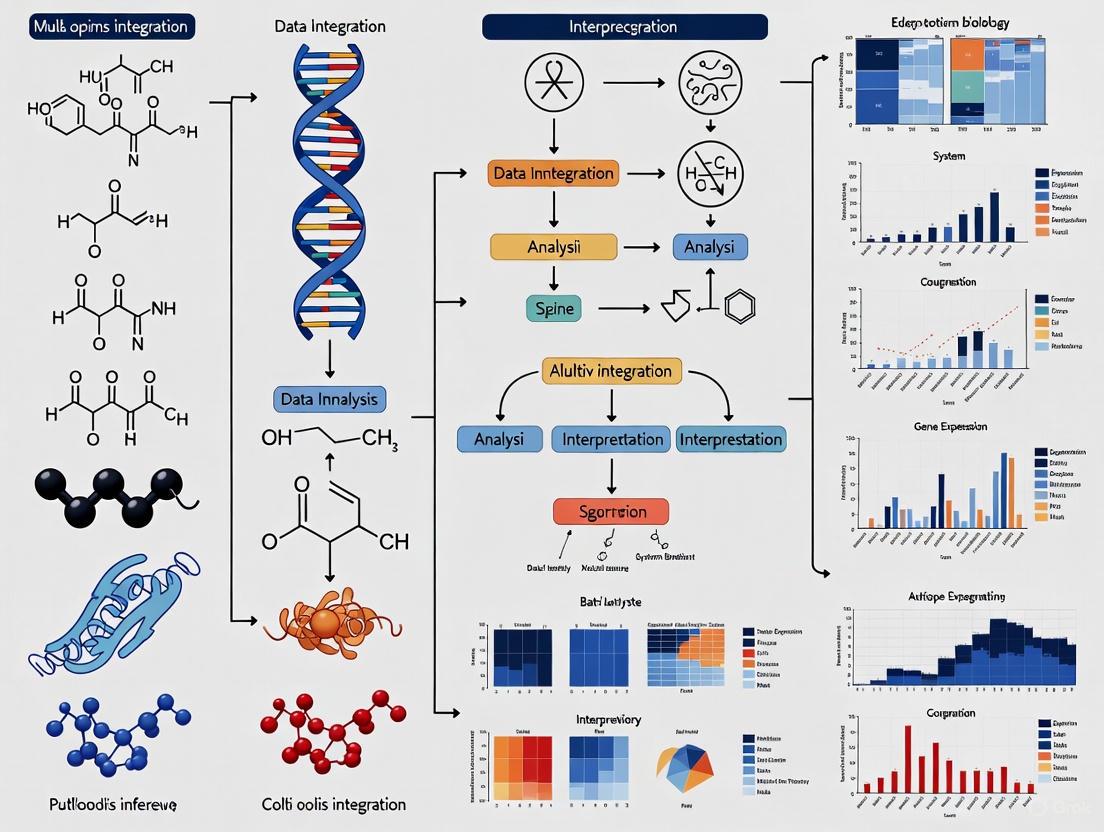
This article provides a comprehensive overview of the transformative role of multi-omics integration in advancing autism spectrum disorder (ASD) research.
Integrating Multi-Omics in Autism Research: From Molecular Networks to Precision Therapeutics
Abstract
This article provides a comprehensive overview of the transformative role of multi-omics integration in advancing autism spectrum disorder (ASD) research. It explores the foundational principles of multi-omics, which combines genomic, transcriptomic, proteomic, metabolomic, and epigenomic data to unravel ASD's complex etiology. The scope extends to detailed methodological frameworks for data integration and analysis, practical applications in biomarker and therapy discovery, and critical troubleshooting for computational and statistical challenges. Furthermore, it examines validation strategies and comparative analyses that confirm the biological relevance of multi-omics findings. Designed for researchers, scientists, and drug development professionals, this review synthesizes current evidence and highlights how multi-omics approaches are paving the way for mechanistic insights, novel therapeutic targets, and precision medicine strategies in ASD.
Unraveling Complexity: How Multi-Omics Reveals the Core Biological Systems in Autism
Autism Spectrum Disorder (ASD) is a complex neurodevelopmental condition characterized by heterogenous abnormalities in social communication, behavior, and cognitive function [1]. Its etiology involves a multifaceted interaction between genetic susceptibility and environmental factors [2]. The integration of multi-omics data—genomics, transcriptomics, proteomics, metabolomics, and epigenomics—provides a powerful framework for elucidating the complex molecular interplay underlying ASD [3]. This Application Note details standardized protocols and analytical frameworks for conducting integrated multi-omics studies in ASD research, aiming to empower researchers in biomarker discovery, patient stratification, and the development of novel therapeutic strategies.
Application Note: A Multi-Omics Protocol for ASD Biomarker Discovery
Background and Rationale
The integration of multi-omics data enables a comprehensive, systems-level view of disease mechanisms, which is crucial for addressing the significant heterogeneity of ASD [3]. Technological advancements have made the generation of large-scale datasets across multiple omics layers more accessible, but their integration presents computational challenges due to high dimensionality and data heterogeneity [3]. This application note outlines a standardized workflow to address these challenges, from experimental design to data integration and validation. Cross-tissue regulatory mechanisms, such as those involving the gut-microbiota-immunity-brain axis, highlight the necessity of a multi-omics approach to capture the full complexity of ASD pathophysiology [4].
Experimental Design and Workflow
A successful multi-omics study requires a cohesive experimental design that ensures data compatibility across different analytical platforms. The following workflow provides an overview of the key stages.
Diagram 1: Integrated multi-omics workflow for ASD research.
Detailed Methodologies and Protocols
Genomic and Epigenomic Profiling
Objective: To identify genetic risk loci and epigenetic modifications associated with ASD. Protocol: A meta-analysis of Genome-Wide Association Study (GWAS) data from multiple independent ASD cohorts is conducted to identify potential genetic loci [4]. The following steps are critical:
- Cohort Selection: Utilize data from at least four independent cohorts to ensure statistical power.
- Quality Control (QC): Apply standard GWAS QC filters (e.g., call rate >98%, minor allele frequency >1%, Hardy-Weinberg equilibrium p > 1x10⁻⁶).
- Priority Scoring: Integrate Polygenic Priority Score (PPS) to rank identified loci.
- Functional Enrichment: Perform enrichment analyses of brain region and brain cell expression quantitative trait loci (eQTL) to prioritize variants with likely functional impacts in the brain [4].
- Epigenomic Integration: Combine summary-data-based Mendelian Randomisation (SMR) analyses of brain cis-eQTL and methylation QTL (mQTL) to identify SNPs that influence both gene expression and DNA methylation [4]. This helps pinpoint loci like
rs2735307andrs989134, which exhibit cross-dimensional associations.
Transcriptomic and Proteomic Analysis
Objective: To profile gene and protein expression alterations in ASD and identify dysregulated pathways. Protocol: Large-scale, high-throughput omics profiling of brain tissues and biofluids.
Table 1: Proteomic and Metabolomic Profiling Techniques in ASD Research
| Matrix | Analytical Technique | Key Molecular Findings | Implicated Pathways |
|---|---|---|---|
| Prefrontal Cortex & Cerebellum [2] | Selective Reaction Monitoring Mass Spectrometry (SRM-MS) | VIME, CKB, MBP, MOG, GFAP, STX1A, SYN2 | Synaptic transmission, energy metabolism, glial activation |
| Brain Tissue [2] | 2-DE, LC-MS/MS | Glo1 | Osteoclastogenesis and ASD etiology |
| Brain Tissue [2] | Large-scale proteome-wide association | VGF, MAPT, DLD, VDAC1, NDUFV | Neuronal function, mitochondrial energy metabolism |
| Blood, Urine, Saliva [2] | Mass Spectrometry (MS) & NMR Spectroscopy | Tryptophan, inflammatory cytokines, cortisol | Immune dysregulation, oxidative stress, microbiota metabolism |
Transcriptomic/Proteomic Protocol:
- Sample Preparation: Homogenize brain tissue or biofluids under denaturing conditions. For proteomics, digest proteins with trypsin.
- Data Acquisition: For proteomics, use techniques like 2-Dimensional Gel Electrophoresis (2-DE) coupled with Liquid Chromatography-Tandem Mass Spectrometry (LC-MS/MS) or SRM-MS for targeted protein quantification [2]. For transcriptomics, RNA-Seq is the standard.
- Data Analysis: Perform differential expression analysis. For proteomics, identify proteins like
VGF,SEPT5, andDBIwhich have been implicated in ASD through large-scale proteome-wide association studies [2]. Pathway analysis (e.g., GO, KEGG) should be conducted to identify biological processes like synaptic transmission and energy metabolism.
Metabolomic Profiling
Objective: To identify metabolic perturbations and biomarker candidates in ASD. Protocol: Metabolomics studies investigate biofluid metabolome profiles to uncover metabolic abnormalities [2].
- Sample Collection: Collect blood, urine, or saliva from ASD patients and matched controls.
- Metabolite Extraction: Use methanol or acetonitrile for protein precipitation and metabolite extraction.
- Analysis: Employ platforms such as Mass Spectrometry (MS) or Nuclear Magnetic Resonance (NMR) Spectroscopy.
- Data Integration: Integrate metabolomic data with genetic and clinical data. Molecules such as tryptophan, inflammatory cytokines, and cortisol have been implicated in ASD and GI-related symptoms, highlighting the role of host and microbiota metabolism [2].
Integrative Bioinformatics and Data Mining
Objective: To synthesize data from multiple omics layers and extract biological insights. Protocol: Employ computational integration methods and literature mining pipelines.
- Network-Based Integration: Use tools like Cytoscape and methods like Multi-Omics Factor Analysis (MOFA) to obtain a holistic view of relationships among biological components [3] [5]. This can reveal key molecular interactions and biomarkers.
- Literature Mining: For large-scale insight generation, implement a literature mining pipeline as described by [1]. This involves:
- Data Collection: Download abstracts from PubMed using a broad query (e.g., "Autism Spectrum Disorder AND Homo sapiens").
- Topic Modeling: Use BERTopic with BERT embeddings and c-TF-IDF to cluster abstracts into thematic topics (e.g., guided modeling with 125 topics) [1].
- Named Entity Recognition (NER): Apply the HunFlair model to extract biological entities (genes, chemicals, diseases) from the text [1].
- Knowledge Synthesis: Leverage generative AI (e.g., GPT-3.5, Gemini) to create a Retrieval-Augmented Generation (RAG)-based conversational assistant for Q&A and summarization on the curated literature [1].
Diagram 2: Literature mining pipeline for ASD multi-omics insights.
The Scientist's Toolkit: Research Reagent Solutions
Table 2: Essential Research Reagents and Tools for Multi-Omics ASD Research
| Item / Resource | Function / Application | Specific Examples / Notes |
|---|---|---|
| Biopython [1] | Custom Python scripting for downloading and processing PubMed abstracts. | Facilitates data collection for literature mining pipelines. |
| BERTopic Library (v0.15.0) [1] | Topic modeling using BERT embeddings and c-TF-IDF. | Clusters large volumes of scientific literature into interpretable thematic topics. |
| HunFlair Model (Flair NLP) [1] | Named Entity Recognition (NER) for biomedical text. | Accurately predicts entities: Cell Lines, Chemicals, Diseases, Genes, Species. |
| org.Hs.eg.db (v3.16.0) [1] | R annotation data package for gene symbol mapping and cleaning. | Used to standardize and validate gene names extracted via NER. |
| GPT-3.5-turbo / Gemini [1] | Generative AI models for Q&A and summarization. | Deployed in a RAG (Retrieval-Augmented Generation) framework to interact with full-text articles. |
| Cytoscape & MOFA [5] | Data visualization and multi-omics factor analysis. | Provides tools for the integration and visualization of complex biological networks. |
The protocols and frameworks outlined in this Application Note provide a robust foundation for conducting integrated multi-omics studies in ASD research. By systematically combining genomic, epigenomic, transcriptomic, proteomic, and metabolomic data—and leveraging advanced computational tools for integration—researchers can move closer to unraveling the complex etiology of ASD. This approach holds significant promise for identifying clinically actionable biomarkers, stratifying patient populations, and ultimately guiding the development of personalized therapeutic interventions.
The gut-brain axis represents a bidirectional communication network linking the gastrointestinal tract and central nervous system, mediated by neural, immune, endocrine, and metabolic pathways. Emerging evidence implicates gut dysbiosis and microbial community shuffling in neurodevelopmental disorders, including autism spectrum disorder (ASD). Multi-omics integration—combining genomics, metaproteomics, metabolomics, and immunophenotyping—has uncovered how gut microbiota influence brain function via the gut-immune-brain axis. This Application Notes document synthesizes quantitative findings, experimental protocols, and analytical workflows to guide research into microbiome-based diagnostics and therapeutics for ASD.
Key Quantitative Findings in ASD Gut Microbiota
Table 1: Microbial Diversity and Metabolite Alterations in ASD vs. Controls
| Parameter | ASD Findings | Control Findings | References |
|---|---|---|---|
| Microbial Diversity | Significantly reduced α- and β-diversity; enriched Bacteroidetes, reduced Firmicutes | Higher diversity; stable Firmicutes/Bacteroidetes ratio | [6] [7] |
| Key Genera | Tyzzerella, Bacteroides, Alistipes; depletion of SCFA-producing taxa (e.g., Bifidobacterium) | Dominance of Prevotella, Blautia, Gemella | [7] [8] |
| Metabolomic Shifts | Elevated glutamate, DOPAC; reduced SCFAs (butyrate, acetate) | Balanced neurotransmitters; higher SCFA levels | [7] [9] |
| Host Proteome | Upregulated KLK1 (neuroinflammation), transthyretin (immune regulation) | Homeostatic neural development proteins | [7] |
| Immune Pathways | T-cell receptor activation, neutrophil extracellular trap formation | Anti-inflammatory IL-10 dominance | [10] [11] |
Table 2: Multi-Omics Signatures in ASD Gut-Brain Axis
| Omics Layer | Key Alterations | Functional Impact |
|---|---|---|
| Genomics | SNPs (e.g., rs2735307) regulating HMGN1, H3C9P; enrichment in brain eQTL/mQTL | Disrupted neurodevelopment; gut microbiota composition shifts |
| Metaproteomics | Bacterial xylose isomerase (Klebsiella); NADH peroxidase (Bifidobacterium) | Oxidative stress; carbohydrate metabolism dysfunction |
| Metabolomics | BBB-permeable lipids, amino acids; GABA/glutamate imbalance | Neurotransmission disruption; neuroinflammation |
| Host Proteomics | Kallikrein (KLK1), transthyretin (TTR) alterations | Immune dysregulation; amyloid deposition facilitation |
Experimental Protocols for Multi-Omics Integration
Protocol 1: Microbial Community Shuffling Analysis
Objective: Characterize gut microbiota diversity and composition in ASD cohorts. Workflow:
- Sample Collection: Collect fecal samples from ASD and matched controls (n ≥ 30/group). Store at −80°C.
- DNA Extraction: Use MoBio PowerSoil Kit for microbial genomic DNA.
- 16S rRNA Sequencing: Amplify V3–V4 hypervariable regions; sequence on Illumina MiSeq.
- Bioinformatics:
- α-Diversity: Calculate Shannon and Chao1 indices (QIIME2).
- β-Diversity: PCoA using UniFrac distances.
- Differential Abundance: LEfSe analysis for genus-level changes.
Protocol 2: Metaproteomics and Metabolomics Profiling
Objective: Identify bacterial proteins and metabolites linked to ASD pathophysiology. Workflow:
- Metaproteomics:
- Protein extraction via SDS lysis; tryptic digestion.
- LC-MS/MS (Orbitrap Fusion) with label-free quantification.
- Database search (UniProt) for bacterial proteins (e.g., Klebsiella xylose isomerase).
- Metabolomics:
- Untargeted LC-MS on fecal and serum samples.
- Annotate metabolites (e.g., glutamate, DOPAC) using HMDB.
- Integrate with metaproteomics via pathway enrichment (KEGG).
Protocol 3: Cross-Tissue Regulatory Mapping
Objective: Decipher gut-immune-brain signaling using Mendelian randomization (MR). Workflow:
- Data Sources:
- ASD GWAS meta-analysis (4 cohorts; 18,382 cases/27,969 controls).
- Brain eQTL/mQTL data (GTEx); blood eQTL (eQTLGen).
- Gut microbiota GWAS (473 taxa; n = 5,959).
- MR Analysis:
- Bidirectional MR: Test causality between microbiota abundance and ASD risk (TwoSampleMR R package).
- SMR: Integrate eQTL/mQTL to identify pleiotropic SNPs (e.g., rs2735307).
- Pathway Analysis: Enrichment for immune pathways (e.g., T-cell receptor signaling) via GSEA.
Visualization of Signaling Pathways and Workflows
Diagram 1: Gut-Immune-Brain Axis Signaling
Title: Gut-Immune-Brain Bidirectional Communication
Diagram 2: Multi-Omics Integration Workflow
Title: Multi-Omics Data Integration Pipeline
Research Reagent Solutions
Table 3: Essential Reagents for Gut-Brain Axis Studies
| Reagent/Material | Function | Example Application |
|---|---|---|
| MoBio PowerSoil Kit | Microbial DNA extraction from fecal samples | 16S rRNA sequencing diversity analysis |
| Illumina MiSeq | High-throughput 16S rRNA amplicon sequencing | Microbial community shuffling quantification |
| Orbitrap Fusion LC-MS/MS | Metaproteomics and metabolomics profiling | Bacterial protein (e.g., xylose isomerase) ID |
| TwoSampleMR R Package | Mendelian randomization analysis | Causal gut microbiota-ASD inference |
| SCFA Standards | Quantification of short-chain fatty acids (butyrate, acetate) | Metabolite correlation with cognitive scores |
Integrating multi-omics data reveals how gut microbial diversity, community shuffling, and cross-tissue communication contribute to ASD pathogenesis. Protocols for metaproteomics, metabolomics, and MR analysis provide actionable frameworks for identifying microbiome-derived biomarkers and therapeutic targets. Future work should prioritize longitudinal designs and microbiome-targeted interventions (e.g., probiotics, FMT) to modulate the gut-immune-brain axis.
Autism Spectrum Disorder (ASD) is a complex neurodevelopmental condition characterized by deficits in social communication and repetitive stereotyped behaviors, with a rapidly rising incidence affecting at least 1% of children globally [12] [13]. Despite substantial advances in understanding its genetic basis, the etiology and pathophysiology of ASD remain incompletely defined, with no validated biomarkers for diagnostic screening or specific medications currently available [12]. Emerging evidence reveals that ASD involves multifaceted interactions among genetic, environmental, and immunological factors that converge on key biological pathways [12] [13]. This Application Note delineates the trio of core molecular pathways—synaptic function, immune dysregulation, and mitochondrial metabolism—implicated in ASD pathophysiology, framed within an integrative multi-omics context. We provide structured quantitative data, detailed experimental methodologies, and visual workflow schematics to support research and drug discovery efforts aimed at these pathways.
Molecular Pathway Dysregulation in ASD
The pathophysiology of ASD involves disruptions across several interconnected biological systems. The table below summarizes the key components and dysregulation patterns observed in three primary pathways.
Table 1: Key Molecular Pathways Dysregulated in ASD
| Pathway | Key Components | Type of Dysregulation | Biological Consequences |
|---|---|---|---|
| Synaptic Function | SHANK3, NLGN3/4, NRXN, FMRP, mGluR [12] [14] | Altered expression and mutations in postsynaptic genes; impaired synaptic transmission and plasticity [14] | Deficits in synaptic vesicle exocytosis, neural communication, and circuit formation [15] [14] |
| Immune Dysregulation | IL-1β, IL-6, TNF-α, microglia; T cell receptor signaling [13] [16] | Elevated pro-inflammatory cytokines; activated microglia; neuroinflammation [13] | Disrupted neurodevelopment; oxidative stress; altered synaptic pruning [13] [16] |
| Mitochondrial Metabolism | ETC complexes I-V; mtDNA; MCU; mPTP [15] [17] | Decreased ETC activity; impaired OXPHOS; abnormal Ca²⁺ handling [15] [17] | Reduced ATP production; increased ROS; apoptosis; compromised synaptic energy supply [15] [17] |
Multi-Omics Integration in ASD Research
Multi-omics approaches have revealed that ASD risk loci exert cross-tissue regulatory effects through the gut microbiota-immunity-brain axis [4]. Integrative analyses of genomic, metaproteomic, and metabolomic data have identified unique microbial macromolecules and host proteome responses in ASD, including alterations in nervous system development and immune response proteins [7]. Furthermore, recent phenotypic decomposition studies have identified robust clinical classes of ASD with distinct genetic programs and patterns of co-occurring traits [18]. These advances enable more precise stratification of ASD individuals for targeted therapeutic interventions.
Table 2: Multi-Omics Approaches for Investigating ASD Pathways
| Omics Layer | Analytical Methods | Key Findings in ASD |
|---|---|---|
| Genomics | GWAS; Whole exome/genome sequencing; Polygenic risk scores [12] [18] [19] | 102 genes strongly associated with ASD risk; enrichment in immune response and neuronal communication pathways [13] [19] |
| Transcriptomics | Brain region and cell-type eQTL analyses; RNA sequencing [4] [16] | Upregulation of immune-inflammatory genes; downregulation of synaptic and mitochondrial ETC genes [16] |
| Metabolomics | Untargeted metabolomics; metabolic pathway analysis [7] | Altered neurotransmitters (glutamate, DOPAC); lipids and amino acids capable of crossing BBB [7] |
| Metaproteomics | 16S rRNA sequencing; bacterial protein identification [7] | Lower gut microbial diversity; specific bacterial metaproteins (xylose isomerase, NADH peroxidase) [7] |
| Epigenomics | DNA methylation (mQTL); histone modification analyses [13] [19] | Enrichment in histone marks in germinal matrix; regulation of neurodevelopmental genes [19] |
Experimental Protocols
Protocol 1: Assessing Mitochondrial Function in Peripheral Blood Mononuclear Cells (PBMCs)
Principle: This protocol measures electron transport chain (ETC) complex activities and aerobic respiration in PBMCs to evaluate mitochondrial dysfunction in ASD. Mitochondria are crucial for ATP production, calcium handling, and redox homeostasis, and their dysfunction is observed in a subset of ASD individuals [15] [17].
Reagents:
- PBS, pH 7.4
- Lymphocyte separation medium (e.g., Ficoll-Paque)
- Mitochondrial isolation kit
- Complex I-V assay kits
- Lactate, pyruvate, and carnitine standards
- XF96 Extracellular Flux Analyzer and reagents (Seahorse Bioscience)
- NADH, succinate, rotenone, antimycin A, oligomycin, FCCP
Procedure:
- PBMC Isolation: Collect venous blood in heparinized tubes. Dilute 1:1 with PBS. Carefully layer over lymphocyte separation medium. Centrifuge at 400 × g for 30 minutes at room temperature. Collect PBMC layer at the interface. Wash twice with PBS and count cells.
- Mitochondrial Isolation: Use a mitochondrial isolation kit according to manufacturer's instructions. Determine mitochondrial protein concentration using BCA assay.
- ETC Complex Activity Assays: Perform Complex I-V activity measurements using commercial assay kits according to manufacturer's protocols. Measure absorbance changes spectrophotometrically.
- Complex I: Monitor NADH oxidation at 340 nm.
- Complex II: Follow reduction of 2,6-dichlorophenolindophenol (DCPIP) at 600 nm.
- Complex III: Measure cytochrome c reduction at 550 nm.
- Complex IV: Monitor oxidation of reduced cytochrome c at 550 nm.
- Complex V (ATP synthase): Couple ATP production to NADH oxidation via hexokinase and glucose-6-phosphate dehydrogenase.
- Metabolic Marker Analysis: Quantify plasma lactate, pyruvate, and carnitine levels using commercial enzymatic assays or LC-MS/MS.
- Seahorse XF96 Analyzer Measurements: Seed 2 × 10⁵ PBMCs/well in XF96 plates. Centrifuge at 200 × g for 5 minutes. Add XF assay medium. Measure oxygen consumption rate (OCR) and extracellular acidification rate (ECAR) under basal conditions and after sequential injection of:
- Oligomycin (1 μM) to inhibit ATP synthase
- FCCP (0.5 μM) to uncouple mitochondria
- Rotenone (0.5 μM) and antimycin A (0.5 μM) to inhibit Complex I and III
- Data Analysis: Calculate basal respiration, ATP production, proton leak, maximal respiration, and spare respiratory capacity from OCR measurements. Normalize all values to cell count or protein content.
Protocol 2: Profiling Cytokine Levels and Immune Cell Signatures
Principle: This protocol quantifies plasma cytokine levels and characterizes immune cell populations in ASD individuals to evaluate immune dysregulation, which is increasingly recognized as a key component of ASD pathophysiology [13] [16].
Reagents:
- EDTA-coated blood collection tubes
- Multiplex cytokine assay kits (e.g., Luminex)
- Flow cytometry antibodies: CD3, CD4, CD8, CD19, CD56, CD14, CD16
- Intracellular cytokine staining kit with brefeldin A
- RBC lysis buffer
- Flow cytometry staining buffer (PBS + 1% BSA + 0.1% sodium azide)
- Cell fixation and permeabilization buffers
Procedure:
- Sample Collection and Processing: Collect blood in EDTA tubes. Centrifuge at 1000 × g for 10 minutes to separate plasma. Aliquot and store at -80°C. Use remaining blood for immune cell analysis.
- Multiplex Cytokine Assay: Measure IL-1β, IL-6, TNF-α, IL-10, and other cytokines in plasma using a multiplex bead-based immunoassay according to manufacturer's instructions. Include standard curves for quantification. Analyze using a Luminex instrument.
- Immune Cell Phenotyping by Flow Cytometry:
- Aliquot 100 μL whole blood into flow cytometry tubes.
- Add appropriate antibody cocktails for surface markers:
- T cells: CD3⁺CD4⁺ and CD3⁺CD8⁺
- B cells: CD19⁺
- NK cells: CD3⁻CD56⁺
- Monocytes: CD14⁺
- Incubate for 30 minutes in the dark at 4°C.
- Add RBC lysis buffer, incubate for 10 minutes, then wash with staining buffer.
- Fix cells with 1% paraformaldehyde.
- Intracellular Cytokine Staining:
- Stimulate 1 mL whole blood with PMA/ionomycin or LPS for 4-6 hours in the presence of brefeldin A.
- Perform surface staining as above, then fix and permeabilize cells.
- Add intracellular antibodies against IL-6, TNF-α, and IL-10.
- Wash and resuspend in staining buffer for acquisition.
- Flow Cytometry Acquisition and Analysis: Acquire data on a flow cytometer collecting at least 10,000 events per lymphocyte gate. Analyze using FlowJo software, quantifying percentages and mean fluorescence intensities of cell populations.
Protocol 3: Multi-Omics Integration for Cross-Tissue Pathway Analysis
Principle: This protocol integrates genomic, transcriptomic, and metabolomic data to identify cross-tissue regulatory mechanisms in ASD through the gut-microbiota-immunity-brain axis [4] [7].
Reagents:
- DNA/RNA extraction kits
- Stool collection tubes with DNA/RNA stabilizer
- Microbiome sequencing kit (16S rRNA V3-V4)
- Metabolomics: LC-MS/MS system
- Bioinformatics software: PLINK, METASPACE, QIIME2, WGCNA
Procedure:
- Sample Collection: Collect matched blood, stool, and if available, post-mortem brain tissue samples. Preserve samples appropriately:
- Blood: PAXgene tubes for RNA, EDTA tubes for DNA
- Stool: DNA/RNA stabilizer solution
- Brain tissue: flash-freeze in liquid nitrogen
- Genomic Analysis:
- Extract DNA from blood and stool.
- Perform whole-genome sequencing or GWAS genotyping.
- Conduct quality control: call rate >98%, MAF >1%, HWE p > 1×10⁻⁶.
- Calculate polygenic risk scores for ASD and related traits.
- Microbiome Analysis:
- Extract microbial DNA from stool.
- Amplify 16S rRNA V3-V4 regions.
- Sequence on Illumina platform.
- Process with QIIME2: cluster OTUs, assign taxonomy, analyze α/β-diversity.
- Metabolomic Profiling:
- Prepare plasma and stool extracts (80% methanol).
- Analyze using LC-MS/MS in positive and negative ionization modes.
- Identify metabolites using reference standards and databases (HMDB, METLIN).
- Perform pathway enrichment analysis (KEGG, Reactome).
- Data Integration:
- Use multivariate statistical methods (PCA, OPLS-DA) to identify discriminative features.
- Apply Multi-Omics Factor Analysis (MOFA) to identify latent factors across data types.
- Construct association networks linking genetic variants, microbial abundance, metabolite levels, and clinical phenotypes.
- Validate identified pathways in independent cohorts where available.
Signaling Pathway Diagrams
The Scientist's Toolkit: Research Reagent Solutions
Table 3: Essential Research Reagents for Investigating ASD Molecular Pathways
| Reagent/Category | Specific Examples | Research Application | Key Pathways Addressed |
|---|---|---|---|
| Genetic Analysis Tools | GWAS arrays; Whole exome sequencing kits; SFARI Gene database [12] [13] [18] | Identification of common and rare genetic variants associated with ASD risk | All pathways (genetic basis) |
| Mitochondrial Function Assays | Seahorse XF Analyzer kits; ETC complex activity assays; lactate/pyruvate/carnitine detection kits [15] [17] | Assessment of oxidative phosphorylation, metabolic flux, and mitochondrial biomarkers | Mitochondrial metabolism |
| Immune Profiling Reagents | Multiplex cytokine panels (IL-1β, IL-6, TNF-α); flow cytometry antibodies (CD3, CD4, CD8, CD14, CD19) [13] [16] | Quantification of inflammatory mediators and immune cell populations | Immune dysregulation |
| Synaptic Biology Tools | Antibodies against SHANK3, PSD-95; neuronal differentiation kits; electrophysiology systems [12] [14] | Evaluation of synaptic structure, function, and plasticity | Synaptic function |
| Microbiome Analysis Kits | 16S rRNA sequencing kits; metaproteomics reagents; bacterial culture media [4] [7] | Characterization of gut microbiota composition and functional potential | Gut-brain axis; immune signaling |
| Multi-Omics Integration Platforms | LC-MS/MS systems; bioinformatics software (QIIME2, WGCNA, MOFA) [4] [7] | Integration of genomic, transcriptomic, metabolomic, and proteomic data | Cross-pathway analysis |
The intricate interplay between synaptic dysfunction, immune dysregulation, and mitochondrial impairment forms a pathological triad underlying ASD. Integrative multi-omics approaches reveal that these pathways do not operate in isolation but rather interact through complex networks involving genetic susceptibility, environmental factors, and systemic physiology, particularly along the gut-microbiota-immunity-brain axis. The experimental protocols and analytical frameworks provided herein offer comprehensive methodologies for investigating these pathways, enabling researchers to identify novel biomarkers and therapeutic targets. Future research should focus on longitudinal multi-omics profiling and organoid-based models to further elucidate the dynamic interactions between these systems throughout neurodevelopment, ultimately paving the way for personalized intervention strategies in ASD.
Application Notes
The integration of common and rare genetic variations is revolutionizing our understanding of Autism Spectrum Disorder (ASD) genetics, moving beyond single-variant approaches to a systems-level framework. Recent large-scale genomic studies have demonstrated that ASD genetic architecture comprises a complex interplay of de novo variants, rare inherited variants, and polygenic risk, all acting within biological networks to influence disease risk and manifestation [20] [21] [22]. This holistic perspective is essential for advancing precision medicine in autism research and drug development.
Table 1: Quantitative Evidence of Genetic Contributions in ASD
| Genetic Component | Contribution Evidence | Statistical Significance | Key Associated Genes/Pathways |
|---|---|---|---|
| De novo PTVs | 57.5% of association signal in ASD [20] | FDR ≤ 0.001 [20] | SCN2A, CHD8, ADNP |
| Damaging missense variants | 21.1% of association signal [20] | FDR ≤ 0.001 [20] | SHANK3, SYNGAP1 |
| Copy Number Variants (CNVs) | 8.44% of association signal; greatest relative risk [20] | OR: 6.9 for constrained genes [20] | 16p11.2, 15q11-13, 22q11.2 |
| Common variant polygenic risk | ~10% variance explained [21] | P < 0.0001 [21] | Neuronal plasticity, synaptic function |
| Meta-analysis ASD/DD genes | 373 genes at FDR ≤ 0.001 [20] | Combined evidence [20] | Synaptic pathways, chromatin remodeling |
The liability threshold model provides a theoretical framework for understanding how common and rare variants interact in ASD etiology. Under this model, individuals with highly penetrant rare mutations require less polygenic risk to cross the diagnostic threshold, while those without such mutations need greater common variant burden for disease manifestation [21]. This explains the observed significantly lower polygenic risk in patients with monogenic diagnoses compared to those without [21].
Biological validation of this integrated model comes from gene co-expression network analyses, which have identified specific neuronal modules enriched for both common and rare risk variants. These modules contain highly connected genes involved in synaptic and neuronal plasticity expressed in brain regions associated with learning, memory, and sensory perception [23]. The convergence of diverse genetic risk factors on these coordinated functional networks provides a biological basis for ASD heterogeneity.
Experimental Protocols
Protocol 1: Integrated Rare and Common Variant Analysis
Purpose: To simultaneously assess the contribution of rare pathogenic mutations and common polygenic risk in ASD cohorts.
Materials:
- Whole exome or genome sequencing data from ASD probands and parents (trio design)
- High-density genotype array data
- Control population datasets (e.g., gnomAD, UK Biobank)
- Computational resources for large-scale genetic analyses
Procedure:
- Rare Variant Calling:
- Perform quality control on sequencing data using FastQC and MultiQC
- Identify de novo variants using DeNovoGear or similar tools with default parameters
- Annotate variants with LOEUF (Loss-of-function Observed/Expected Upper bound Fraction) scores to assess gene constraint [20]
- Classify missense variants using MPC (Missense badness, PolyPhen-2, and Constraint) scores, with MPC ≥ 2 considered damaging [20]
- Detect CNVs using GATK-gCNV or similar tools, applying resolution filters (>2 exons) and frequency filters (<1% population frequency) [20]
Common Variant Analysis:
- Calculate polygenic scores for ASD and related neurodevelopmental conditions using PRSice or LDpred
- Include PGS for educational attainment, cognitive performance, and schizophrenia given their genetic correlations with ASD [21]
- Apply linkage disequilibrium score regression to estimate SNP heritability and genetic correlations with related traits
Integrated Risk Assessment:
- Test for differences in polygenic burden between individuals with and without monogenic diagnoses using linear regression, adjusting for relevant covariates
- Evaluate combined risk models using multivariate approaches including both rare and common variants
- Perform pathway enrichment analyses using genes implicated by both rare and common variants
Troubleshooting: For rare CNV detection, validate a subset of calls using orthogonal methods such as microarray or long-read sequencing. For polygenic score analysis, ensure ancestry matching between cases and controls to avoid population stratification.
Protocol 2: Multi-omics Integration for Cross-Tissue Regulatory Mapping
Purpose: To identify how ASD risk variants exert cross-tissue effects through gut microbiota-immune-brain axis regulation.
Materials:
- Multi-omics datasets: genomic, transcriptomic, epigenomic, metabolomic
- Gut microbiota profiling data (16S rRNA or metagenomic sequencing)
- Blood and brain tissue samples (post-mortem or iPSC-derived)
- Computational pipelines for multi-omics integration
Procedure:
- Genetic Locus Identification:
- Conduct fixed-effects meta-analysis of multiple ASD GWAS datasets using METAL software
- Apply genomic coordinate conversion with CrossMap (v0.6.5) for dataset harmonization
- Define novel loci as SNPs ≥500kb from previously reported associations on the same chromosome [24]
Functional Annotation:
- Perform Polygenic Priority Score (PoPS) analysis to prioritize genes near associated loci
- Conduct brain region and brain cell eQTL enrichment analyses
- Implement Summary-data-based Mendelian Randomization (SMR) using brain cis-eQTL and mQTL data
- Integrate blood eQTL data to identify immune pathway associations
Cross-System Validation:
- Apply bidirectional Mendelian Randomization to assess causal relationships with 473 gut microbiota taxonomic groups [24]
- Construct cross-tissue regulatory networks using heterogeneous data integration methods
- Validate identified pathways in experimental models (iPSC-derived neurons, organoids)
Troubleshooting: Address technical artifacts in multi-omics data using normalization methods appropriate for each data type (e.g., DESeq2's median-of-ratios for RNA-seq, quantile normalization for proteomics). For Mendelian randomization, ensure instruments meet relevance, independence, and exclusion restriction assumptions.
Visualization of Genetic Architecture and Analytical Framework
Diagram 1: Integrated Genetic Architecture of ASD
Diagram 2: Multi-omics Integration Workflow
The Scientist's Toolkit: Research Reagent Solutions
Table 2: Essential Research Resources for Integrated ASD Genetics
| Research Tool | Application | Function in Analysis |
|---|---|---|
| GATK-gCNV | CNV discovery from sequencing data | Detects rare coding CNVs with >86% sensitivity and 90% PPV [20] |
| LOEUF scores | Gene constraint quantification | Prioritizes genes intolerant to PTVs; identifies high-risk loci [20] |
| MPC scores | Missense variant pathogenicity | Classifies damaging missense variants (MPC ≥2) [20] |
| TADA model | Integrated association testing | Bayesian framework combining SNV, indel, and CNV evidence [20] |
| Polygenic Priority Score (PoPS) | Gene prioritization | Integrates functional annotations to identify causal genes [24] |
| Summary-data-based MR (SMR) | Multi-omics integration | Tests pleiotropic associations between SNPs and gene expression [24] |
| Weighted Gene Co-expression Network Analysis (WGCNA) | Network biology | Identifies modules of co-expressed genes enriched for genetic risk [23] |
| DESeq2 | RNA-seq normalization | Implements median-of-ratios approach for transcriptomic data [25] |
| CrossMap (v0.6.5) | Genomic coordinate conversion | Harmonizes datasets across different genome builds [24] |
| METAL | GWAS meta-analysis | Fixed-effects model for integrating multiple GWAS datasets [24] |
Emerging Frontiers and Clinical Applications
The integration of common and rare variants has revealed biologically distinct ASD subtypes with different genetic architectures and developmental trajectories. Recent research has identified four clinically and biologically distinct subtypes: Social and Behavioral Challenges, Mixed ASD with Developmental Delay, Moderate Challenges, and Broadly Affected [26]. Each subtype exhibits distinct genetic profiles—the Broadly Affected group shows the highest proportion of damaging de novo mutations, while the Mixed ASD with Developmental Delay group carries more rare inherited variants [26]. This stratification enables more precise mapping of genetic risk factors to specific clinical presentations.
From a therapeutic development perspective, these advances enable target prioritization based on network properties and variant tolerance. Genes that are central hubs in neuronal co-expression networks and intolerant to variation represent high-priority targets. The identification of convergent pathways across genetic risk factors—particularly synaptic function, chromatin remodeling, and neuronal plasticity—provides opportunities for pathway-based therapeutics rather than gene-specific approaches [23].
For drug development professionals, this integrated genetic architecture offers new avenues for patient stratification in clinical trials and biomarker development. Polygenic risk scores combined with rare variant status may help identify patient subgroups most likely to respond to specific therapeutic mechanisms. Furthermore, the recognition of cross-tissue regulatory networks involving gut microbiota and immune function [24] expands the potential target space beyond central nervous system-specific pathways, enabling development of peripheral therapeutics that modulate the gut-brain axis.
Application Notes & Protocols for Multi-Omics Integration in Autism Research
Theoretical Framework and Research Background
The gut–immune–brain axis represents a paradigm-shifting model in neuroscience, describing a dynamic, bidirectional communication system where the gut microbiota, host immunity, and central nervous system (CNS) interact [11]. This axis is no longer viewed as merely correlative; foundational studies are now elucidating causative mechanisms, particularly in complex neurodevelopmental disorders like Autism Spectrum Disorder (ASD) [27] [28]. Disruption of this tripartite axis—manifested as gut dysbiosis, immune dysregulation, and neuroinflammation—is implicated in ASD pathogenesis [29]. The transition from correlation to causation hinges on sophisticated multi-omics approaches that integrate genomic, metagenomic, metabolomic, proteomic, and immunologic data to deconvolute this system-level interaction [7] [24]. This application note outlines the key foundational studies, quantitative findings, and detailed experimental protocols that form the bedrock for causative research in this field, framed within a thesis on multi-omics integration in autism.
Quantitative Synthesis of Foundational Discoveries
The following tables consolidate key quantitative findings from foundational studies linking gut microbiota, immunity, and brain function in ASD.
Table 1: Key Microbial Alterations and Immune Correlates in ASD vs. Neurotypical Controls
| Metric / Component | Finding in ASD | Quantitative Data / Effect Size | Proposed Immune Link | Primary Source |
|---|---|---|---|---|
| Microbial Alpha Diversity | Significantly Reduced | Lower Shannon/Chao indices; Consistent across multiple cohorts [28]. | Reduced diversity linked to pro-inflammatory cytokine profiles (e.g., IL-6, IL-1β) [29] [28]. | [7] [28] |
| Firmicutes/Bacteroidetes Ratio | Often Disrupted | Inconsistent direction but altered abundance; Specific decreases in butyrate-producers (e.g., Faecalibacterium) [27] [29]. | Shift associated with altered SCFA production, affecting Treg differentiation and systemic inflammation [11] [30]. | [27] [29] |
| Genera Prevotella & Bifidobacterium | Frequently Altered | Decreased abundance correlated with restrictive diets and symptom severity [28]. | Modulators of mucosal IgA and Th17/Treg balance; their reduction may promote inflammation [11] [27]. | [27] [28] |
| Genera Clostridium & Desulfovibrio | Often Enriched | Increased abundance reported; Clostridium cluster XVIII linked to GI symptoms [27]. | Potential sources of pro-inflammatory metabolites and toxins; may compromise gut barrier, triggering immune activation [27] [29]. | [27] [28] |
| Plasma/Brain Cytokines | Pro-inflammatory Shift | Elevated TNF-α, IL-6, IL-1β, IL-17; Higher levels correlate with behavioral severity [29]. | Direct evidence of systemic & neuroinflammation; cytokines can cross BBB or be produced by activated CNS microglia [31] [29]. | [31] [29] |
| Neurotrophic Factor (BDNF) | Altered Levels | Reports of both increase and decrease; levels may correlate with phenotype severity [29]. | Links microbial status (e.g., GF mice have low BDNF) to neuronal plasticity and neuroinflammation [11] [29]. | [11] [29] |
| Intestinal Permeability Markers | Increased | Elevated fecal calprotectin, serum LPS-binding protein [29]. | Indicates "leaky gut," allowing microbial MAMPs (e.g., LPS) to access systemic circulation, priming peripheral immune cells [31] [29]. | [31] [29] |
Table 2: Multi-Omics Signatures from Integrative ASD Studies
| Omic Layer | Analytical Method | Key ASD-Associated Findings | Integrated Insight into Axis |
|---|---|---|---|
| Metagenomics | 16S rRNA / Shotgun Sequencing | Reduced diversity; Altered abundance of Prevotella, Bifidobacterium, Desulfovibrio, Bacteroides [28]. | Defines the microbial community structure imbalance (dysbiosis) initiating the cascade. |
| Metabolomics | Untargeted LC/MS, GC/MS | Altered SCFAs (butyrate, propionate), neurotransmitters (GABA, glutamate), tryptophan derivatives (kynurenine) [7] [28]. | Reveals functional output of microbiota; metabolites are direct immune modulators and neuroactive signals. |
| Metaproteomics | LC-MS/MS on fecal samples | Identified bacterial proteins (e.g., xylose isomerase from Klebsiella, NADH peroxidase) [7]. | Provides direct evidence of microbial functional activity and pathways (e.g., carbohydrate metabolism, oxidative stress) relevant to host. |
| Host Proteomics/Immunoproteomics | Multiplex cytokine arrays, MS-based proteomics | Elevated pro-inflammatory cytokines; Altered host proteins (e.g., KLK1, Transthyretin) [7] [29]. | Captures the host's systemic and mucosal immune response to dysbiosis. |
| Epigenomics (mQTL) | Methylation arrays (e.g., Illumina EPIC) | Genetic variants influence methylation states of genes involved in immunity and neurodevelopment [24]. | Links genetic risk to regulatory changes in immune and brain tissues, potentially mediated by microbial factors. |
| Genomics/eQTL | GWAS, SMR Analysis | SNPs (e.g., rs2735307) associate with ASD risk, gut microbiota composition, and immune pathways (T cell receptor signaling) [4] [24]. | Establishes a genetic backbone for the axis, showing pleiotropic effects across gut, immune, and brain systems. |
Detailed Experimental Protocols
The following protocols are foundational for establishing causal links within the gut–immune–brain axis in ASD research.
Protocol 1: Multi-Cohort Microbiome Meta-Analysis with Bayesian Differential Ranking Objective: To identify robust, cohort-agnostic microbial signatures of ASD by minimizing technical and demographic confounders [28].
- Cohort Curation: Compile raw 16S rRNA gene amplicon or shotgun metagenomic sequencing data from at least 5 independent ASD case-control studies. Ensure raw sequence files and metadata (age, sex, diagnosis, GI symptoms) are available.
- Uniform Bioinformatic Processing: Reprocess all sequences through a single pipeline (e.g., QIIME2/DADA2 for 16S; metaWRAP for shotgun). Use a consistent reference database (e.g., Greengenes2, GTDB) for taxonomic assignment.
- Case-Control Matching: Within each study, perform 1:1 matching of ASD cases to neurotypical controls based on age (±6 months) and sex. This is critical for controlling for major developmental and biological confounders [28].
- Bayesian Differential Ranking Analysis: a. Model sequence count data for each microbe (e.g., genus-level) using a Negative Binomial distribution to account for over-dispersion. b. For each matched pair within a study, calculate the log fold change (LFC) in microbial abundance. c. Use a Bayesian framework to estimate the posterior distribution of LFCs across all matched pairs within a study, generating a mean LFC and associated uncertainty for each microbial taxon. d. Rank taxa by their mean LFC across all studies. This ranking approach is compositionally aware and reduces false positives from per-taxon statistical testing [28].
- Validation: Correlate the top-ranked ASD-associated microbial LFCs with host multi-omic data (e.g., cytokine levels from the same subjects, dietary records) to infer functional associations [28].
Protocol 2: Integrated Mendelian Randomization (MR) & Summary-data-based MR (SMR) for Cross-Tissue Causality Objective: To test for causal effects and identify genetic variants that pleiotropically regulate gut microbiota, immune pathways, and ASD risk [4] [24].
- Data Acquisition: a. GWAS Summary Statistics: Obtain ASD GWAS meta-analysis results [24]. Obtain GWAS summary statistics for gut microbiota taxa (exposure) and immune cell traits or cytokine levels (mediator) [4] [24]. b. eQTL/mQTL Data: Download brain tissue-specific cis-eQTL and methylation QTL (mQTL) data (e.g., from PsychENCODE, GTEx). Obtain blood eQTL data.
- Two-Sample Mendelian Randomization: a. Microbiota → ASD: Use genetic variants strongly associated with abundance of specific bacterial taxa as instrumental variables (IVs). Perform inverse-variance weighted (IVW) MR to estimate causal effect of microbiota on ASD risk. b. ASD → Microbiota: Reverse the analysis to test for reverse causation. c. Immune Mediation: Perform two-step MR to assess if the effect of a microbiota taxon on ASD is mediated by an immune trait (e.g., T cell count).
- Summary-data-based Mendelian Randomization (SMR): a. Brain Gene Expression: Conduct SMR using brain cis-eQTL data to test if ASD-associated SNPs influence ASD risk by regulating the expression of nearby genes (e.g., HMGN1, BRWD1) in the brain [24]. b. Immune Gene Expression: Conduct SMR using blood eQTL data to test if the same SNPs influence the expression of immune-related genes (e.g., involved in T cell receptor signaling) [24].
- Integration: Overlap results from MR and SMR analyses. SNPs like rs2735307 that show associations across all three layers (microbiota GWAS, brain eQTL, blood immune eQTL) represent high-confidence hubs in the genetic architecture of the axis [24].
Protocol 3: Murine Model of Microbiota-Driven Neuroinflammation Objective: To establish a causal chain from gut dysbiosis to microglial activation and behavioral deficits.
- Animal Models: Utilize either (a) Germ-free (GF) mice colonized with ASD patient-derived microbiota vs. healthy control microbiota (fecal transplant), or (b) Antibiotic-treated mice followed by targeted colonization.
- Microbiota Manipulation: Prepare fecal slurries from well-characterized ASD donors and age/sex-matched controls. Orally gavage GF mice with slurries at postnatal day 21-28. House colonized mice in isolators.
- Behavioral Phenotyping (4-8 weeks post-colonization): Perform standardized batteries: Social Interaction (three-chamber test), Repetitive Behavior (marble burying, self-grooming), Anxiety (elevated plus maze), and Communication (ultrasonic vocalization recording).
- Tissue Collection & Immune Profiling: a. Periphery: Collect blood for serum cytokine multiplex assay (IL-6, TNF-α, IL-1β, IL-17, IL-10). Isolate lamina propria lymphocytes from colon for flow cytometry (analysis of Th17, Treg, ILC subsets). b. Brain: Perfuse mice. Dissect prefrontal cortex and hippocampus. i. Flow Cytometry: Prepare single-cell suspension for microglial analysis (CD11b+CD45int). Assess activation markers (CD86, MHC-II) and intracellular cytokines. ii. Immunohistochemistry: Fix tissue for IHC staining of Iba1 (microglia) and GFAP (astrocytes). Quantify morphology and density. iii. qPCR/ELISA: Measure levels of pro-inflammatory cytokines (IL-1β, TNF-α) and neurotrophic factors (BDNF) in brain homogenates.
- Correlative Analysis: Statistically link specific microbial abundances (from fecal sampling pre-sacrifice) with the degree of peripheral inflammation, microglial activation, and severity of behavioral deficits.
Visualization of Core Concepts and Workflows
Diagram 1: The Gut-Immune-Brain Axis Signaling Cascade in ASD Pathogenesis.
Diagram 2: Multi-Omics Integration Workflow for Causal Inference.
The Scientist's Toolkit: Key Research Reagent Solutions
Table 3: Essential Reagents and Resources for Gut-Immune-Brain Axis Research
| Category | Item / Resource | Function in Research | Example/Supplier Note |
|---|---|---|---|
| Microbiome Analysis | 16S rRNA Gene Primers (V3-V4) | Amplify conserved region for bacterial community profiling via sequencing. | 341F/806R primers; Used in foundational ASD studies [7] [28]. |
| Shotgun Metagenomic Sequencing Kits | Provide comprehensive genetic material from all gut microbes for functional potential analysis. | Illumina DNA Prep kits; Essential for metagenome-assembled genomes and pathway analysis. | |
| Greengenes2 or GTDB Reference Database | Reference for taxonomic classification of 16S or metagenomic sequences. | Critical for consistent cross-study comparisons [28]. | |
| Immunophenotyping | Multiplex Cytokine/Chemokine Panels | Simultaneously quantify dozens of pro- and anti-inflammatory proteins in serum, plasma, or tissue homogenate. | Luminex or MSD platforms; Used to define immune signatures [29] [28]. |
| Flow Cytometry Antibody Panels (Mouse/Human) | Profile immune cell subsets (T cells, B cells, ILCs, microglia) in gut, blood, and brain. | Antibodies for CD3, CD4, CD25, FoxP3 (Tregs), RORγt (Th17), CD11b, CD45 (microglia). | |
| Metabolomics | Short-Chain Fatty Acid (SCFA) Standard Kit | Quantify key microbial metabolites (acetate, propionate, butyrate) via GC-MS. | Commercial standards from Sigma-Aldrich or equivalent; SCFAs are primary immune modulators [11] [30]. |
| Tryptophan/Kynurenine Pathway ELISA | Measure metabolites linking microbiota, immune activation (IDO enzyme), and neuroactivity. | Kits available from ImmunoDiagnostics; Pathway is crucial in neuroinflammation [31]. | |
| Animal Models | Germ-Free (Gnotobiotic) Mice | Gold-standard model to test causality of specific microbiota on host physiology and behavior. | Available from core facilities (e.g., Taconic, The Jackson Laboratory). Foundational for axis studies [11] [29]. |
| Fecal Microbiota Transplantation (FMT) Supplies | Transfer donor human microbiota into GF or antibiotic-treated mice. | Anaerobic workstation for slurry preparation, oral gavage needles. | |
| Multi-Omics Integration | R/Python Packages for Integrative Analysis | Perform statistical integration of metagenomic, metabolomic, and clinical data. | mixOmics, SIAMCAT, MMvec for correlation; TwoSampleMR, MendelianRandomization for MR. |
| Bayesian Differential Ranking Pipeline | Software for robust cross-cohort microbiome analysis as described in Protocol 1. | Custom scripts based on methods from Nature Neuroscience 2023 [28]; Utilizes Stan or PyMC3. |
From Data to Insights: Methodological Frameworks and Therapeutic Applications in ASD Multi-Omics
Autism Spectrum Disorder (ASD) is a complex neurodevelopmental condition with a multifactorial etiology involving intricate interactions between genetic, epigenetic, and environmental factors. The inherent heterogeneity of ASD has necessitated the development of advanced analytical frameworks that can integrate data across multiple biological scales. Multi-omics integration represents a paradigm shift in autism research, enabling researchers to move beyond single-layer analyses to construct comprehensive models of ASD pathophysiology. These integration approaches facilitate the identification of cross-system mechanisms and provide a more holistic understanding of the biological networks underlying autism.
The four primary integration approaches—conceptual, statistical, model-based, and network/pathway analysis—offer complementary frameworks for addressing different aspects of ASD complexity. Conceptual integration provides the theoretical foundation for understanding system-level interactions, such as the gut-brain axis. Statistical integration enables the quantitative synthesis of diverse datasets to identify robust associations. Model-based approaches leverage machine learning and computational algorithms to generate predictive models from high-dimensional data. Network and pathway analyses illuminate the functional relationships between molecular components and their collective impact on neurodevelopment. Together, these methodologies form an essential toolkit for advancing precision medicine in autism research and therapeutic development.
Conceptual Integration Approaches
Conceptual integration frameworks establish the theoretical foundation for understanding complex biological systems in autism research. These approaches provide the scaffolding for hypothesis generation by defining key relationships and interactions across biological domains. The gut-microbiota-immunity-brain axis represents a prime example of conceptual integration, positing a multi-system interaction mechanism where genetic risk factors, gut microbiota composition, immune function, and brain development interact to influence ASD pathophysiology [4]. This conceptual framework has guided research designs that simultaneously measure variables from these different systems.
Another conceptually integrated approach involves linking observable behavioral phenotypes with their biological underpinnings. A recent large-scale study analyzed data from the SPARK cohort to connect phenotypic patterns with genetic variants and their associated biological processes, establishing a conceptual bridge between the behavioral manifestations of ASD and their molecular origins [32]. This person-centered conceptual framework moves beyond single-trait analyses to consider the full spectrum of traits that an individual exhibits, allowing for more clinically relevant classifications. Such conceptual models provide the necessary foundation for designing targeted multi-omics studies that can test specific mechanistic hypotheses about ASD heterogeneity and pathogenesis.
Statistical Integration Methods
Statistical integration methods provide quantitative frameworks for combining diverse datasets to identify robust associations in autism research. These approaches leverage various statistical techniques to extract meaningful patterns from high-dimensional multi-omics data while accounting for the unique properties of each data type.
Key Statistical Frameworks and Applications
Summary-data-based Mendelian Randomisation (SMR) represents a powerful statistical approach for integrating genome-wide association study (GWAS) data with expression quantitative trait loci (eQTL) and methylation QTL (mQTL) data. This method has been applied to identify potential causal genes and pathways in ASD by testing for associations between genetic variants and intermediate molecular phenotypes [4]. Through SMR analysis, researchers have identified SNPs such as rs2735307 and rs989134 that exhibit significant multi-dimensional associations, exerting cross-tissue regulatory effects by participating in gut microbiota regulation and involving immune pathways such as T cell receptor signal activation [4].
Gene-based association studies with adaptive tests represent another statistical integration approach that combines GWAS summary statistics from large datasets. This method has identified several genes significantly associated with ASD, including KIZ, XRN2, and SOX7, with the latter being replicated across independent datasets [33]. By integrating DNA-level association data with transcriptomic profiling, researchers have validated SOX7 as an autism-associated gene that shows significant expression differences between ASD cases and controls, providing evidence for its potential role as a transcriptional regulator in neurodevelopment [33].
Table 1: Statistical Integration Methods in Autism Research
| Method | Data Types Integrated | Key Findings | References |
|---|---|---|---|
| Summary-data-based Mendelian Randomisation | GWAS, eQTL, mQTL | Identified cross-tissue regulatory effects of SNPs rs2735307 and rs989134 involving immune pathways | [4] |
| Gene-based Association Studies | GWAS summary statistics, RNA-seq | Identified SOX7 as significantly associated with ASD and differentially expressed | [33] |
| Multi-omics Integration | Genomics, metaproteomics, metabolomics | Revealed altered microbial diversity and identified key bacterial metaproteins | [7] |
| Finite Mixture Modeling | Phenotypic data, genetic data | Identified four clinically distinct ASD subgroups with different biological signatures | [32] |
Experimental Protocol: Statistical Integration of Multi-Omics Data
Purpose: To identify molecular mechanisms linking gut microbiota to ASD pathophysiology through integrated analysis of genomic, metaproteomic, and metabolomic data.
Materials and Reagents:
- Stool sample collection kits with DNA/RNA stabilizer
- 16S rRNA V3-V4 region amplification primers
- Liquid chromatography-mass spectrometry (LC-MS) system for metabolomics
- High-performance mass spectrometer for metaproteomics (e.g., Q-Exactive HF)
- Protein extraction and digestion reagents (e.g., FASP digestion kit)
- DNA extraction kit optimized for microbial communities
- Untargeted metabolomics profiling platforms
Procedure:
- Sample Collection and Preparation: Collect stool samples from 30 children with severe ASD and 30 healthy controls. Immediately stabilize samples using appropriate preservatives and store at -80°C until processing.
- Microbial Diversity Assessment: Extract genomic DNA from stool samples. Amplify the 16S rRNA V3 and V4 regions using specific primers. Sequence the amplified products on an Illumina platform. Process sequencing data using QIIME2 to assess alpha and beta diversity.
- Metaproteomic Analysis: Lyse bacterial cells from stool samples using bead-beating. Digest proteins using trypsin. Analyze peptides by LC-MS/MS. Identify proteins using database searching against human and microbial protein databases.
- Metabolomic Profiling: Extract metabolites from stool samples using methanol:water:chloroform solution. Analyze using untargeted LC-MS in both positive and negative ionization modes. Identify metabolites by matching to spectral libraries.
- Statistical Integration: Perform multivariate statistical analyses including PCA and PLS-DA to identify differentially abundant proteins and metabolites. Conduct pathway enrichment analysis using KEGG and GO databases. Apply correlation networks to identify associations between microbial taxa, bacterial proteins, and metabolites.
Validation: Validate key findings using orthogonal methods such as targeted metabolomics for identified neurotransmitters and qPCR for microbial taxa of interest.
Model-Based Integration Approaches
Model-based integration approaches utilize computational algorithms and machine learning frameworks to create predictive models from heterogeneous datasets in autism research. These methods excel at handling high-dimensional data and capturing complex, non-linear relationships across biological scales.
Machine Learning and AI-Based Models
End-to-end (E2E) neural network models represent a sophisticated model-based approach for ASD detection that integrates feature extraction and classification into a single optimized framework. Researchers have developed an E2E model combining a wav2vec2.0-based feature extraction module with a bidirectional long short-term memory (BLSTM)-based classifier for detecting ASD from children's voices [34]. This model processes raw waveform inputs directly, extracting relevant features through a pre-trained wav2vec2.0 model, then passes context vectors to the BLSTM classifier for ASD/typical development classification. The joint optimization of feature extraction and classification components achieved significant improvements in accuracy (71.66%) and unweighted average recall (70.81%) compared to conventional models using deterministic features [34].
Artificial intelligence-based software as a medical device represents another model-based integration approach being implemented in clinical settings. Canvas Dx is an FDA-authorized software device that employs a gradient-boosted decision trees algorithm to integrate data from a brief caregiver questionnaire, a video analyst questionnaire, and a clinical questionnaire [35]. This model-based approach supports autism diagnosis in primary care settings by providing determinations (Positive, Negative, or Indeterminate for autism) based on integrated digital behavioral data. When integrated into the ECHO Autism primary care workflow, this approach reduced the time from clinical concern to diagnosis to an average of 39.22 days compared to 180-264-day waits at specialist referral centers [35].
Table 2: Model-Based Integration Approaches in Autism Research
| Model Type | Data Inputs | Performance/Output | Applications | |
|---|---|---|---|---|
| End-to-End Neural Network | Raw audio waveforms from children's voices | 71.66% accuracy, 70.81% unweighted average recall | ASD detection from vocal characteristics | [34] |
| Gradient-Boosted Decision Trees (Canvas Dx) | Caregiver questionnaire, video analysis, clinical assessment | Determinate predictions in 52.5% of cases, all consistent with final clinical diagnosis | Autism diagnosis in primary care settings | [35] |
| General Finite Mixture Modeling | Phenotypic and genotypic data from SPARK cohort | Identified four distinct ASD classes with different biological signatures | ASD subgroup identification | [32] |
| GANet (Genetic Algorithm-Based Network) | ATR-FTIR spectral data from saliva | 0.78 accuracy, 0.90 specificity in ASD detection | Non-invasive ASD detection using salivary biomarkers | [36] |
Experimental Protocol: End-to-End Model for ASD Detection from Voice
Purpose: To develop an end-to-end neural network model for detecting ASD from children's voices without explicit feature engineering.
Materials and Software:
- Audio recording equipment (Azure Kinect DK with hexagonal microphone array)
- High-performance computing workstation with GPU acceleration
- Python 3.8+ with PyTorch or TensorFlow framework
- Audio processing libraries (Librosa, PyAudio)
- Data augmentation tools for audio (specaugment, tempo/pitch modification)
Procedure:
- Data Collection: Record children's voices in controlled environments with approximately 40 dB noise levels. Use a standardized protocol for audio acquisition with consistent microphone placement and settings. Collect data from both ASD and typically developing children, with diagnoses confirmed by licensed child psychiatrists using DSM-5 criteria.
- Data Preprocessing: Convert audio files to standard format (16kHz, 16-bit, mono). Normalize amplitude levels across all recordings. Segment longer recordings into shorter clips (2-5 seconds) for analysis.
- Model Architecture:
- Feature Extraction Module: Utilize a pre-trained wav2vec2.0 model to extract context vectors directly from raw waveform inputs.
- Alternative Feature Path: Implement an autoencoder branch using eGeMAPS features as input to generate bottleneck features.
- Classification Module: Design a Bidirectional LSTM layer with 128 units followed by two fully connected layers with ReLU and softmax activation.
- Model Training: Implement joint optimization of the entire network using cross-entropy loss. Use Adam optimizer with learning rate of 0.001. Apply early stopping based on validation loss with patience of 20 epochs.
- Model Evaluation: Assess performance using accuracy, unweighted average recall, sensitivity, and specificity. Compare against conventional models using deterministic features. Perform ablation studies to evaluate contribution of different components.
Validation: Conduct cross-validation with multiple splits. Perform t-SNE analysis to visualize feature separation. Test model generalization on independent datasets collected from different clinical settings.
Network and Pathway Analysis Methods
Network and pathway analysis methods provide powerful frameworks for understanding the complex interactions and functional relationships between molecular components in autism. These approaches move beyond individual molecules to model system-level properties and emergent behaviors in ASD pathophysiology.
Network-Based Analysis of Multi-Omics Data
Network analysis of multi-omics data has revealed cross-tissue regulatory mechanisms of autism risk loci through the gut microbiota-immunity-brain axis [4]. This approach integrates data from genome-wide association studies, brain expression quantitative trait loci (eQTL), methylation QTL (mQTL), and blood eQTL to identify SNPs with significant multi-dimensional associations. Through this network-based framework, researchers have demonstrated how specific genetic loci participate in gut microbiota regulation while simultaneously influencing immune pathways such as T cell receptor signal activation and neutrophil extracellular trap formation, and cis-regulating neurodevelopmental genes like HMGN1 and H3C9P [4].
GANet (Genetic Algorithm-based Network optimization) represents an innovative network approach for ASD detection using non-invasive salivary biomarkers [36]. This framework leverages complex network theory and genetic algorithms to systematically optimize network structure for extracting meaningful patterns from high-dimensional spectral data obtained through ATR-FTIR spectroscopy of saliva samples. The method constructs networks where each spectral sample is represented as a vertex, with edges defined using optimized similarity criteria determined by the genetic algorithm. By applying importance-based characterization using complex network measures like PageRank and Degree, GANet achieved superior performance (0.78 accuracy, 0.90 specificity) compared to traditional machine learning models for ASD detection [36].
Network analysis has also been applied to understand the factors influencing health-related quality of life of parents caring for autistic children [37]. This approach modeled relationships between child characteristics (age, ASD symptoms, comorbid problem behaviors) and parent outcomes (parenting stress, physical and psychological quality of life). The network structure revealed that child age and externalizing behaviors were the main contributors to parenting stress, while externalizing behaviors, ASD core symptoms, and parenting stress collectively predicted parental health-related quality of life, highlighting the transactional nature of parent-child wellbeing in the autism context [37].
Experimental Protocol: Network Analysis of Gut-Brain Axis in ASD
Purpose: To construct and analyze integrated networks representing the gut microbiota-immunity-brain axis in autism spectrum disorder.
Materials and Software:
- Multi-omics datasets (genomic, transcriptomic, proteomic, metabolomic)
- High-performance computing cluster for network analysis
- R programming environment with igraph, WGCNA, and Cytoscape packages
- Python with NetworkX, scikit-learn, and pandas libraries
- Visualization tools (Cytoscape, Gephi)
Procedure:
- Data Collection and Preprocessing: Collect genomic data from GWAS studies of ASD cohorts. Obtain gut microbiota composition data through 16S rRNA sequencing. Acquire blood and brain transcriptomic data from relevant databases. Gather metabolomic profiling data from serum and stool samples.
- Network Construction:
- Node Definition: Define nodes representing genetic loci, microbial taxa, immune markers, metabolites, and clinical phenotypes.
- Edge Definition: Calculate associations between nodes using appropriate statistical measures (Pearson correlation for continuous variables, point-biserial for binary traits). Apply significance thresholds with multiple testing correction.
- Network Integration: Create multi-layer networks connecting different biological scales using established integration algorithms.
- Network Analysis:
- Topological Analysis: Calculate node degree, betweenness centrality, and clustering coefficients to identify hub nodes.
- Community Detection: Apply modularity optimization algorithms to identify densely connected communities representing functional modules.
- Pathway Enrichment: Perform functional enrichment analysis of network communities using GO, KEGG, and Reactome databases.
- Visualization and Interpretation: Create multi-scale visualizations of the integrated network. Annotate key pathways and cross-system interactions. Validate identified hubs through literature mining and experimental data.
Validation: Use bootstrapping to assess network stability. Perform permutation testing to evaluate significance of network properties. Conduct cross-validation with independent datasets.
The Scientist's Toolkit: Research Reagent Solutions
Table 3: Essential Research Reagents and Platforms for Multi-Omics Autism Research
| Category | Specific Tools/Reagents | Function/Application | Examples from Literature |
|---|---|---|---|
| Genomic Analysis | GWAS arrays, Whole genome sequencing kits, DNA extraction kits | Identification of genetic variants associated with ASD | SPARK cohort analysis [32] |
| Transcriptomic Profiling | RNA extraction kits, RNA-seq library prep, qPCR reagents | Gene expression analysis in blood and brain tissues | SOX7 differential expression [33] |
| Microbiome Analysis | 16S rRNA sequencing primers, Stool collection kits with stabilizers | Gut microbiota composition and diversity assessment | Multi-omics of gut-brain axis [4] [7] |
| Proteomic Tools | Mass spectrometers, Protein extraction reagents, Trypsin digestion kits | Identification of host and bacterial proteins | Metaproteomic analysis [7] |
| Metabolomic Platforms | LC-MS systems, Metabolite extraction solvents, Reference standards | Comprehensive profiling of neurotransmitters and lipids | Altered metabolic pathways in ASD [7] |
| Behavioral Assessment | ADOS-2, ADI-R, Sensory Profile 2 | Standardized behavioral phenotyping | Phenotypic subclassification [32] |
| Computational Tools | R/Bioconductor, Python ML libraries, Cytoscape | Data integration, modeling, and visualization | Network analysis [36] [37] |
| Digital Phenotyping | Audio recording devices, Wearable sensors, Video analysis software | Objective measurement of behavioral and physiological signals | Voice analysis [34], Wearable sensors [38] |
Integrated Analysis of ASD Subtypes and Biological Pathways
The integration of multiple analytical approaches has enabled significant advances in understanding ASD heterogeneity through the identification of clinically and biologically distinct subtypes. Researchers have applied general finite mixture modeling to phenotypic and genotypic data from the SPARK cohort, identifying four main classes of individuals with shared phenotypic profiles [32]. Remarkably, when the team investigated the genetics within each class, they discovered distinct biological signatures with little overlap in the impacted pathways between classes. Key findings included the discovery that in the "Social and Behavioral Challenges" class, impacted genes were mostly active after birth, while in the "ASD with Developmental Delays" class, impacted genes were predominantly active prenatally [32].
Integrated network and pathway analysis of these ASD subtypes revealed distinct molecular circuits associated with each class, including processes such as neuronal action potentials and chromatin organization. This approach demonstrates how linking phenotypic patterns with biological pathways through integrated analysis can provide insights into the developmental timing and functional mechanisms underlying different ASD presentations. The identification of these biologically distinct subgroups has important implications for developing targeted interventions and moving toward precision medicine approaches in autism.
The continuing evolution of integration methodologies, including the incorporation of non-coding genomic regions and the development of more sophisticated multi-layer network models, promises to further enhance our understanding of ASD complexity. As these approaches mature, they offer the potential to transform autism research from a predominantly descriptive endeavor to a predictive science capable of informing personalized therapeutic strategies based on an individual's specific multi-omics profile.
Autism Spectrum Disorder (ASD) is a complex neurodevelopmental condition characterized by significant genetic and phenotypic heterogeneity. The integration of multiple omics technologies—genomics, transcriptomics, proteomics, metabolomics, and epigenomics—provides unprecedented opportunities to link genetic variation to molecular and cellular mechanisms underlying ASD [25]. However, the high dimensionality, sparsity, batch effects, and complex covariance structures of omics data present significant statistical challenges that require specialized analytical approaches [25] [39].
Advanced multivariate and integration methods have emerged as powerful frameworks for addressing these challenges. These techniques enable researchers to identify convergent molecular signatures across biological layers, revealing core pathological processes in ASD such as synaptic dysfunction, mitochondrial impairment, and immune dysregulation [25]. This application note provides detailed protocols and implementation guidelines for four key integration methods—Sparse Canonical Correlation Analysis (SCCA), DIABLO, MOFA, and Similarity Network Fusion—within the context of ASD research.
Comparative Framework for Multi-Omics Integration Methods
Table 1: Technical Specifications of Multi-Omics Integration Methods
| Method | Primary Function | Data Types Supported | Key Features | ASD Application Examples |
|---|---|---|---|---|
| Sparse CCA | Identify correlated patterns between two omics datasets | Any two quantitative data types (e.g., transcriptomics & proteomics) | Feature selection via L1 penalty, identifies cross-omics correlations | Linking gut metaproteomics to host proteomics in ASD [7] |
| DIABLO | Multi-omics classification and biomarker identification | >2 omics data types (transcriptome, proteome, metabolome) | Discriminatory analysis, supervised approach, handles mixed data types | Identifying synapse-associated miRNA-mRNA-protein networks in Alzheimer's (methodologically relevant to ASD) [40] |
| MOFA | Uncover hidden factors driving variation across omics | Any number of omics data types | Unsupervised, Bayesian framework, handles missing data | Not explicitly mentioned in results but methodologically relevant for ASD heterogeneity |
| Similarity Network Fusion | Integrate heterogeneous omics data into unified network | Any number of omics data types | Network-based integration, preserves specific patterns | Revealing convergent molecular signatures in NDDs [25] |
Table 2: Method Selection Guide for ASD Research Questions
| Research Goal | Recommended Method | Sample Size Considerations | Data Requirements |
|---|---|---|---|
| Identify pairwise relationships between omics layers | Sparse CCA | Moderate (n > 30 per group) | Two complete omics datasets |
| Discover multi-omics biomarkers for ASD stratification | DIABLO | Small to moderate (n > 20 per group) | Multiple omics datasets with class labels |
| Uncover hidden factors explaining population heterogeneity | MOFA | Small to large (n > 15) | Multiple omics datasets, tolerates missing data |
| Integrate diverse data types into unified patient similarity network | Similarity Network Fusion | Small to moderate (n > 20) | Multiple omics or clinical data types |
Sparse Canonical Correlation Analysis (SCCA)
Application Principles in ASD Research
Sparse Canonical Correlation Analysis is a multivariate statistical technique that identifies and quantifies relationships between two sets of high-dimensional variables. In ASD research, SCCA is particularly valuable for investigating directional relationships between different molecular layers, such as transcriptomic-proteomic or genomic-epigenomic interactions [25]. The method incorporates L1 (lasso) penalties to enforce sparsity, resulting in models that include only the most relevant variables—a critical feature when analyzing omics datasets where the number of features (p) far exceeds sample size (n) [25].
Experimental Protocol for Gut-Brain Axis Investigation
Application Context: Investigating relationships between gut microbial metaproteins and host brain proteome in ASD [7].
Sample Preparation:
- Collect stool samples from 30 ASD participants and 30 healthy controls (ages 2-6 years)
- Process samples for 16S rRNA sequencing (V3-V4 regions) and metaproteomics
- Preprocess data: rarefaction to even sequencing depth, log-transformation of protein abundances
SCCA Implementation:
Interpretation Framework:
- Identify microbial proteins with highest absolute loadings (|loading| > 0.1)
- Map corresponding host proteins with significant cross-correlations
- Validate biological relevance through pathway enrichment analysis (KEGG, GO)
Table 3: Key Research Reagents for Gut-Brain Axis SCCA Analysis
| Reagent/Category | Specific Example | Function in Protocol |
|---|---|---|
| Sequencing Kit | 16S rRNA V3-V4 Sequencing Kit | Microbial community profiling |
| Protein Extraction | TriZol Reagent | Simultaneous RNA/protein extraction from limited samples |
| Mass Spectrometry | LC-MS/MS with TMT labeling | Quantitative metaproteomics |
| Data Normalization | DESeq2 median-of-ratios (RNA) | Corrects library size variation |
| Statistical Platform | R PMA package | Implements Sparse CCA with permutation testing |
Visualization of Sparse CCA Workflow
DIABLO (Data Integration Analysis for Biomarker discovery using Latent cOmponents)
Application Principles in ASD Research
DIABLO is a supervised multi-omics integration method designed for classification and biomarker discovery. It identifies co-expression networks across multiple omics data types that are discriminatory for predefined sample groups (e.g., ASD vs. controls) [25]. This method has been successfully applied to integrate synaptosomal miRNA, mRNA, and protein data in neurodegenerative disease research, providing a template for ASD applications [40].
Experimental Protocol for Synaptosomal Multi-Omics Integration
Application Context: Identifying integrated synapse-associated molecular signatures in ASD through synaptosome analysis [40].
Sample Preparation:
- Obtain post-mortem brain samples (Brodmann Area 10) from ASD and control cases
- Extract synaptosomes using Syn-PER Reagent with Dounce homogenization
- Process for multi-omics analysis: miRNA-seq, mRNA-seq, and LC-MS/MS proteomics
- Quality control: RNA integrity number (RIN) >7, protein yield >50μg
DIABLO Implementation:
Validation Framework:
- Perform cross-validation (5-fold, 10 repeats) to assess classification accuracy
- Compare selected features with known ASD risk genes (SFARI database)
- Confirm synaptic localization through electron microscopy of synaptosomes
Table 4: Research Reagents for Synaptosomal DIABLO Analysis
| Reagent/Category | Specific Example | Function in Protocol |
|---|---|---|
| Synaptosome Isolation | Syn-PER Reagent | Isolation of intact synaptosomes from brain tissue |
| RNA Sequencing | Illumina TruSeq Stranded mRNA | Transcriptome and miRNA profiling |
| Protein Digestion | Trypsin/Lys-C Mix | Mass spectrometry-compatible digestion |
| Mass Spectrometry | LC-MS/MS with TMTpro 16-plex | High-resolution quantitative proteomics |
| Computational Package | mixOmics DIABLO | Multi-omics integration and biomarker discovery |
Visualization of DIABLO Integration Process
MOFA (Multi-Omics Factor Analysis)
Application Principles in ASD Research
MOFA is an unsupervised Bayesian framework that disentangles the heterogeneity in multi-omics data by inferring a set of latent factors that represent the principal sources of variation across assays [25]. This approach is particularly valuable for ASD research due to the condition's well-established heterogeneity, allowing researchers to identify patient subgroups and continuous axes of variation without predefined clinical categories.
Experimental Protocol for Uncovering ASD Subtypes
Application Context: Decomposing multi-omics heterogeneity in ASD to identify molecular subtypes and their driving features.
Data Preparation:
- Collect matched genomic, epigenomic, and transcriptomic data from ASD cohort (minimum n=100)
- Preprocess and normalize each data modality appropriately
- Handle missing data using MOFA's built-in capabilities (up to 30% missingness tolerated)
MOFA Implementation:
Interpretation Framework:
- Calculate variance explained by each factor across omics layers
- Correlate factors with clinical phenotypes (ADOS scores, cognitive function)
- Perform gene set enrichment on factor loadings to identify biological processes
Similarity Network Fusion
Application Principles in ASD Research
Similarity Network Fusion (SNF) creates comprehensive patient similarity networks by integrating multiple omics data types. Each omics platform generates a separate network of patient similarities, which are then fused into a single network that captures shared patterns [25]. This approach is particularly valuable for identifying ASD subgroups that may not be apparent from single-omics analyses.
Experimental Protocol for ASD Subgroup Discovery
Application Context: Integrating genomic, transcriptomic, and metabolomic data to identify molecularly-defined ASD subgroups.
Data Preparation:
- Collect matched omics data from ASD cohort
- Normalize each data type using platform-specific methods
- Compute patient similarity matrices for each omics layer
SNF Implementation:
Integrated Workflow for ASD Multi-Omics Research
Comprehensive Visualization of Multi-Omics Integration Pipeline
Troubleshooting Guide for Multi-Omics Integration
Table 5: Common Challenges and Solutions in Multi-Omics Integration for ASD Research
| Challenge | Manifestation | Solution Approach |
|---|---|---|
| Batch Effects | Technical variance confounding biological signal | Apply ComBat, limma's removeBatchEffect(), or Harmony before integration [25] |
| Missing Data | Incomplete matched samples across omics layers | Use MOFA (handles missingness) or imputation (MICE, KNN) |
| Dimensionality Mismatch | Different feature numbers across assays | Employ feature selection (variance filter) or sparse methods (built-in selection) |
| Biological Interpretation | Difficulty translating statistical findings to mechanisms | Integrate with prior knowledge (SFARI genes, synaptic pathways) [25] [40] |
| Validation | Concerns about overfitting or reproducibility | Implement rigorous cross-validation and independent cohort replication |
The integration of advanced analytical techniques including Sparse CCA, DIABLO, MOFA, and Similarity Network Fusion represents a paradigm shift in ASD research. These methods enable researchers to move beyond single-omics analyses toward a more comprehensive understanding of the complex, multi-system nature of ASD. By following the detailed protocols and guidelines presented in this application note, researchers can effectively leverage these powerful integration methods to uncover novel biomarkers, identify molecular subtypes, and ultimately advance precision medicine approaches for Autism Spectrum Disorder.
The successful application of these methods requires careful attention to experimental design, appropriate method selection based on specific research questions, and rigorous validation of findings. As multi-omics technologies continue to evolve, these integration frameworks will play an increasingly critical role in translating complex molecular data into clinically actionable insights for ASD diagnosis and treatment.
Autism Spectrum Disorder (ASD) is a complex neurodevelopmental condition characterized by persistent deficits in social communication and interaction, as well as restricted, repetitive patterns of behavior, interests, or activities [41]. The significant etiological and phenotypic heterogeneity of ASD has historically complicated diagnosis and intervention development [42]. Multi-omics integration—the combined analysis of genomic, transcriptomic, proteomic, epigenomic, and metabolomic data—provides a powerful framework for deconvoluting this heterogeneity by linking genetic variation to molecular and cellular mechanisms underlying the disorder [25] [43]. This Application Note outlines practical experimental and computational protocols for identifying and prioritizing molecular targets and biomarkers for intervention in ASD research, contextualized within a broader thesis on multi-omics integration.
The transition from traditional phenotype-first approaches to molecular data-first strategies has enabled the identification of distinct disease subtypes through molecular subtyping [42]. This paradigm shift is crucial for precision medicine in ASD, as it allows for the classification of patients into biologically distinct subgroups based on their genetic, transcriptomic, and proteomic profiles, thereby facilitating the development of targeted interventions [42] [25]. The protocols described herein are designed to enable researchers to systematically identify and validate molecular targets and biomarkers with high translational potential.
Key Analytical Frameworks for Multi-Omics Data
Statistical Challenges and Solutions
High-throughput omics technologies generate "wide data" characterized by thousands of features measured in relatively small sample cohorts. This "large p, small n" scenario increases the risk of overfitting, spurious associations, and irreproducible findings if not properly managed [25] [43]. Specialized statistical frameworks that explicitly model noise, dependence structures, and sparsity are necessary to ensure robust inference and reproducibility.
Table 1: Statistical Methods for Multi-Omics Data Analysis
| Analysis Type | Specific Methods | Application Context | Key Considerations |
|---|---|---|---|
| Normalization | DESeq2 (median-of-ratios), edgeR (TMM), Quantile Normalization, RUVSeq | RNA-seq data; Proteomics (variance-stabilizing normalization) | Corrects for library size variability, technical artifacts; method must be tailored to platform |
| Batch Correction | ComBat, SVA, Limma's removeBatchEffect(), MNN, deep learning algorithms | Multi-site studies; Integrating datasets across platforms | Preserves biological heterogeneity while removing technical noise; risk of over-correction |
| Dimensionality Reduction | UMAP, PCA, sparse canonical correlation analysis | High-dimensional transcriptomic, proteomic data | Addresses "large p, small n" problem; reveals underlying data structure |
| Multi-Omics Integration | DIABLO, MOFA+, Similarity Network Fusion | Identifying cross-omic molecular signatures | Handles heterogeneous data types and missingness; identifies convergent pathways |
| Causal Inference | Mendelian Randomization (MR), Summary-data-based MR | Inferring causal relationships between gut microbiota, immune markers, and ASD | Leverages genetic variants as instrumental variables; establishes directionality |
Data preprocessing procedures, particularly normalization, are critical first steps to mitigate technical artifacts. For transcriptomic data, methods such as the median-of-ratios implemented in DESeq2 and the trimmed mean of M values (TMM) from edgeR address library size variability [25] [43]. Proteomics normalization often relies on quantile scaling, internal reference standards, or variance-stabilizing normalization to mitigate labeling and ionization differences in mass spectrometry-based platforms [25]. Failure to appropriately normalize data can confound technical variation with biological differences, leading to false conclusions.
Batch effects and hidden confounders constitute another major challenge in omics studies. Differences in sample handling, reagents, instrumentation, or operators can introduce systematic noise that obscures true biological signals [25]. Methods such as Surrogate Variable Analysis (SVA) and ComBat are widely used to preserve biological heterogeneity while mitigating technical artifacts, though overcorrection can inadvertently remove relevant signals [25] [43]. In ASD studies, batch correction is particularly critical when combining data across brain regions, developmental stages, or experimental models.
Molecular Subtyping Approaches
Molecular subtyping through the integration of multi-omics data with clinical phenotypes represents a powerful approach for reducing heterogeneity in ASD research [42]. This methodology involves applying clustering methods to different types of omics data to classify patients into subgroups, then integrating these results with clinical data to characterize distinct disease subtypes [42].
The successful application of molecular subtyping in oncology provides a template for ASD research. In breast cancer, molecular subtypes show marked differences in clinical features, treatment response, and outcomes [42]. Similarly, in ASD, molecular subtyping has been used to propose novel subtypes such as CHD8, characterized by specific genetic, clinical, and neurophysiological features [42]. This approach moves beyond behaviorally-defined classifications to establish subtypes with distinct biological mechanisms and potential intervention targets.
Experimental Protocols for Target Discovery
Integrated Genomic and Transcriptomic Analysis
This protocol describes a method for identifying candidate genes through integrated analysis of genome-wide association studies (GWAS) and RNA sequencing (RNA-seq) data, as demonstrated by the discovery of SOX7 as an ASD-associated gene [33].
Workflow Overview:
- GWAS Analysis: Perform gene-based association studies using GWAS summary statistics. For SOX7 discovery, researchers used data from 18,382 ASD cases and 27,969 controls (discovery data) and 6,197 ASD cases and 7,377 controls (replication data) from the Psychiatric Genomics Consortium [33].
- Differential Expression Analysis: Investigate expression differences between ASD cases and controls for genes identified in GWAS using RNA-seq datasets (e.g., GSE211154: 20 cases, 19 controls; GSE30573: 3 cases, 3 controls) [33].
- Validation: Replicate findings in independent datasets and perform functional characterization of identified genes.
Key Experimental Details:
- Data Sources: Utilize publicly available GWAS summary statistics from consortia such as PGC, and RNA-seq data from repositories like GEO.
- Statistical Methods: For gene-based association tests, use adaptive methods that account for linkage disequilibrium. For differential expression, employ tools such as DESeq2 or edgeR with appropriate multiple testing corrections [33].
- Functional Annotation: Annotate identified genes with biological processes using gene ontology enrichment and pathway analysis.
Figure 1: Integrated Genomic and Transcriptomic Analysis Workflow
Cross-Tissue Regulatory Network Analysis
This protocol outlines an approach for elucidating cross-tissue regulatory mechanisms through the gut microbiota-immunity-brain axis, incorporating multi-omics data from genome-wide association studies, expression quantitative trait loci (eQTL), methylation quantitative trait loci (mQTL), and gut microbiota analyses [24].
Workflow Overview:
- Meta-Analysis: Conduct meta-analysis of multiple ASD GWAS datasets to identify novel loci. A recent study integrated four independent ASD cohorts totaling over 60,000 cases and 458,000 controls [24].
- Priority Scoring: Apply Polygenic Priority Score (PoPS) analysis to prioritize genes based on their functional relevance.
- Multi-Omic Integration: Perform Summary-data-based Mendelian Randomization (SMR) analyses integrating brain cis-eQTL and mQTL data to identify functional consequences of genetic variants.
- Cross-Tissue Analysis: Implement bidirectional Mendelian Randomization between gut microbiota features and ASD risk, followed by SMR analysis of blood eQTL to identify immune-related pathways.
Key Experimental Details:
- Data Harmonization: Use CrossMap (v0.6.5) and UCSC chain files for genomic coordinate conversion between builds. Employ PLINK (v1.9) for allele alignment [24].
- Meta-Analysis Tools: Utilize METAL software for fixed-effects meta-analysis, calculating Cochran's Q and I² indices to assess heterogeneity [24].
- Causal Inference: Apply Mendelian Randomization methods (e.g., IVW, MR-Egger) to infer causal relationships between gut microbiota, immune markers, and ASD.
Table 2: Identified Molecular Targets and Biomarkers in ASD
| Target/Biomarker | Omics Layer | Function/Pathway | Evidence | Intervention Potential |
|---|---|---|---|---|
| SOX7 | Genomic, Transcriptomic | Transcription factor, cell fate determination | Gene-based GWAS p=2.22×10⁻⁷; upregulated in ASD cases [33] | Diagnostic biomarker, therapeutic target |
| HMGN1, H3C9P | Epigenomic, Transcriptomic | Chromatin remodeling, neurodevelopment | cis-regulation by ASD risk SNPs [24] | Epigenetic therapy target |
| Gut Microbiota | Metagenomic | T cell receptor signaling, neutrophil extracellular traps | MR analysis with 473 microbial taxa [24] | Probiotic, prebiotic, or dietary interventions |
| BRWD1, ABT1 | Epigenomic | Methylation-mediated gene regulation | mQTL analysis in brain tissue [24] | Targets for methylation-modifying agents |
| EEG Biomarkers | Neurophysiologic | Face-processing, social functioning | Predicts language/social skills at age 3 [44] | Biomarker for early intervention, clinical trial endpoint |
Digital Phenotyping Protocol
Digital technologies provide opportunities to develop novel endpoints that reflect everyday experiences and complement traditional clinical assessments [45]. This protocol describes a dual in-person and remote assessment approach for developing digital endpoints relevant to autism and co-occurring conditions.
Workflow Overview:
- In-Person Assessment: Conduct digitally augmented Autism Diagnostic Observation Schedule-2 (ADOS-2) sessions, including video and audio recording for subsequent computational analysis (e.g., speech pattern analysis).
- Remote Monitoring: Implement a 28-day remote measurement protocol involving:
- Wearable devices (e.g., Fitbit) for collecting physiological and activity data
- Passive smartphone data collection apps
- Active reporting apps for ecological momentary assessment
- Data Integration: Combine in-person and remote data streams to develop digital endpoints for social communication, sleep, and mental health.
Key Experimental Details:
- Participant Recruitment: Recruit both autistic and non-autistic participants through established cohorts such as the AIMS Longitudinal European Autism Project [45].
- Feasibility Assessment: Collect metrics on usability, acceptability, adherence, and feasibility through structured interviews and usage statistics.
- Data Analysis: Employ machine learning methods for feature extraction from audio/video recordings and time-series analysis of sensor data.
Case Studies in ASD Target Discovery
SOX7 Identification via Multi-Omics Integration
The SOX7 gene was identified as an ASD-associated gene through integrated analysis of GWAS and RNA-seq data [33]. In the discovery phase, gene-based association analysis of GWAS data from 18,382 ASD cases and 27,969 controls revealed significant associations with SOX7 (p = 2.22 × 10⁻⁷) [33]. This association was replicated in an independent dataset of 6,197 ASD cases and 7,377 controls (p = 0.00087) [33].
Transcriptomic analysis provided further evidence for SOX7 involvement in ASD. Differential expression analysis in RNA-seq data (GSE211154) showed significant upregulation of SOX7 in ASD cases compared to controls (p = 0.036 in all samples; p = 0.044 in white samples) [33]. Additional validation in the GSE30573 dataset confirmed upregulation in cases (p = 0.0017; Benjamini-Hochberg adjusted p = 0.0085) [33]. SOX7 encodes a member of the SOX (SRY-related HMG-box) family of transcription factors that contribute to cell fate determination and identity in many lineages, suggesting it may act as a transcriptional regulator in protein complexes associated with autism [33].
Gut Microbiota-Immune-Brain Axis
Recent research has revealed cross-tissue regulatory mechanisms of autism risk loci through the gut microbiota-immunity-brain axis [24]. A multi-omics study identified SNPs such as rs2735307 and rs989134 that show significant multi-dimensional associations across genomic, epigenomic, and metagenomic datasets [24].
These loci appear to exert cross-tissue regulatory effects by participating in gut microbiota regulation, involving immune pathways such as T cell receptor signal activation and neutrophil extracellular trap formation [24]. Additionally, they cis-regulate neurodevelopmental genes (HMGN1 and H3C9P), or synergistically influence epigenetic methylation modifications to regulate the expression of BRWD1 and ABT1 [24]. This cross-scale evidence chain provides a theoretical foundation for precision medicine in ASD, suggesting potential interventions targeting the gut-brain axis, immune signaling, or epigenetic mechanisms.
The Scientist's Toolkit
Table 3: Essential Research Reagents and Platforms
| Reagent/Platform | Function | Application in ASD Research |
|---|---|---|
| PLINK (v1.9) | Whole-genome association analysis toolset | Quality control, population stratification, association analysis of GWAS data [24] |
| METAL | Meta-analysis software for GWAS | Combining results from multiple ASD GWAS datasets to increase power [24] |
| DESeq2 / edgeR | Differential expression analysis | Identifying differentially expressed genes in ASD transcriptomic studies [25] [33] |
| BERTopic | Topic modeling for literature mining | Analyzing large volumes of ASD literature to identify research trends and knowledge gaps [1] |
| Wearable Devices (Fitbit) | Continuous physiological monitoring | Capturing sleep, activity, and physiological data in naturalistic settings [45] |
| Mendelian Randomization | Causal inference method | Establishing causal relationships between gut microbiota, immune markers, and ASD [24] |
| Single-cell RNA-seq | High-resolution transcriptomics | Identifying cell-type-specific expression patterns in ASD brain models [25] |
The integration of multi-omics data represents a transformative approach for target and biomarker discovery in ASD research. The protocols outlined in this Application Note provide a roadmap for researchers to identify and prioritize molecular targets across genomic, transcriptomic, epigenomic, and metagenomic layers. Through methods such as integrated genomic-transcriptomic analysis, cross-tissue regulatory network mapping, and digital phenotyping, researchers can deconvolute the heterogeneity of ASD and identify actionable targets for intervention.
The case studies of SOX7 and the gut microbiota-immune-brain axis illustrate how multi-omics approaches can yield novel insights into ASD pathophysiology and identify potential points of therapeutic intervention. As these methods continue to evolve with advances in single-cell technologies, spatial omics, and machine learning, they hold promise for delivering on the potential of precision medicine for autistic individuals.
Autism Spectrum Disorder (ASD) is a complex neurodevelopmental condition characterized by impairments in social communication and the presence of restricted, repetitive behaviors. The gut-brain axis has emerged as a critical pathway in ASD pathophysiology, with growing evidence implicating gut microbiota dysbiosis in neurological symptom manifestation [46]. This case study employs an integrative multi-omics approach to elucidate how bacterial metaproteins and host proteome changes contribute to the neurological features of ASD, providing a mechanistic framework linking gut microbial function to brain development and function through the gut microbiota-immunity-brain axis [4].
Experimental Design and Workflow
Cohort Characteristics and Sample Collection
The investigation utilized a case-control design with 30 children diagnosed with severe ASD and 30 healthy control participants. ASD diagnosis was confirmed according to DSM-5 criteria and ICD-10 classification (code F84.0), with severity assessed using the Childhood Autism Rating Scale (CARS), ensuring all ASD participants fell within the "severely affected" range [46]. Control participants were typically developing children without gastrointestinal complaints or relevant disease history. The study received ethical approval, and guardians provided informed consent for all participants.
Fecal sample collection followed standardized protocols: samples were collected on ice packs, immediately transferred to -20°C within 24 hours, weighed while frozen, aliquoted, and stored at -80°C until processing in a dedicated biosafety cabinet to maintain sample integrity [46].
Multi-Omics Integration Workflow
The experimental approach integrated multiple molecular profiling techniques to comprehensively characterize the gut-brain axis in ASD. The workflow below illustrates the sequential multi-omics integration process:
Figure 1: Multi-omics experimental workflow for analyzing the gut-brain axis in ASD.
Research Reagent Solutions and Essential Materials
Table 1: Essential research reagents and materials for gut-brain axis multi-omics studies
| Category | Specific Reagent/Kit | Manufacturer | Function/Application |
|---|---|---|---|
| DNA Extraction | PureLink Microbiome DNA Purification Kit | Invitrogen | Extraction of high-quality microbial DNA from fecal samples |
| Sequencing | Illumina MiSeqDx Platform | Illumina | 16S rRNA V3-V4 region sequencing for microbial diversity |
| Protein Extraction | cOmplete, Mini, EDTA-free Protease Inhibitor Cocktail | Roche | Inhibition of proteolysis during protein extraction |
| Reducing Agent | Tris(2-carboxyethyl)phosphine (TCEP) | Sigma-Aldrich | Reduction of disulfide bonds in proteins |
| Protein Assay | Bicinchoninic Acid (BCA) Assay | Pierce | Protein quantification before digestion |
| Mass Spectrometry | TripleTOF 5600+ System | AB Sciex | High-resolution LC-MS/MS for metaproteomics and metabolomics |
| Chromatography | Ekspert nanoLC 425 System | Eksigent | Nano-liquid chromatography separation |
| Metabolite Standards | Amino Acids Standard Mix | Sigma-Aldrich | Validation and absolute quantification in metabolomics |
Detailed Methodological Protocols
Metagenomic 16S rRNA Sequencing Protocol
Principle: This protocol assesses microbial community structure and diversity through amplification and sequencing of the hypervariable V3 and V4 regions of the bacterial 16S rRNA gene [46].
Procedure:
- DNA Extraction: Extract genomic DNA from 0.2 g fecal samples using the PureLink Microbiome DNA Purification Kit following manufacturer's instructions.
- Quality Control: Quantify DNA using DeNovix dsDNA High Sensitivity Assay to verify purity and integrity.
- Library Preparation: Amplify V3 and V4 regions using specific primers (forward: 5'-TCGTCGGCAGCGTCAGATGTGTATAAGAGACAGCCTACGGGNGGCWGCAG-3', reverse: 5'-GTCTCGTGGGCTCGGAGATGTGTATAAGAGACAGGACTACHVGGGTATCTAATCC-3').
- Sequencing: Perform sequencing on Illumina MiSeqDx platform with 2×300 bp paired-end reads.
- Bioinformatic Analysis: Process sequences using QIIME2 or Mothur for OTU clustering, diversity metrics (α- and β-diversity), and taxonomic assignment.
Critical Notes: Include negative controls to detect contamination. Maintain consistent DNA input concentrations across samples to avoid PCR bias.
Metaproteomics Shotgun Analysis Protocol
Principle: This protocol identifies and quantifies bacterial proteins in fecal samples to understand functional capabilities of the gut microbiota [46].
Procedure:
- Protein Extraction:
- Homogenize 1 g fecal sample in cold PBS for 15 minutes
- Centrifuge at 300 × g at 4°C for 5 minutes to remove debris
- Collect supernatant and repeat homogenization
- Pool supernatants and perform acetone precipitation overnight at -20°C
- Recover proteins by centrifugation at 12,000 × g at 4°C for 30 minutes
- Dissolve pellet in lysis buffer (4% SDS in 100 mM Tris-HCl, pH 8.5)
Protein Reduction and Cleanup:
- Add 2 µl of 1 M TCEP to reduce disulfide bonds
- Add 100 µl protease inhibitor cocktail to prevent degradation
- Perform additional acetone precipitation
- Dissolve final pellet in 8 M urea in 500 mM Tris pH 8.5
- Quantify protein using BCA assay
Protein Digestion and MS Analysis:
- Perform SDS-PAGE separation followed by in-gel tryptic digestion
- Analyze peptides using nanoLC-MS/MS on TripleTOF 5600+ system
- Use IDA (Information Dependent Acquisition) mode for data acquisition
- Calibrate mass accuracy using PepCalMix solution every six hours
Critical Notes: Process samples quickly on ice to prevent protein degradation. Include quality control samples to monitor technical variability.
Untargeted Metabolomics Profiling Protocol
Principle: This protocol comprehensively characterizes small molecule metabolites in fecal samples to identify metabolic alterations associated with ASD [46] [47].
Procedure:
- Metabolite Extraction:
- Weigh 100 mg fecal sample
- Add 400 μl pre-chilled extraction solvent (ACN:MeOH, 3:1 ratio)
- Include internal standards (L-Threonine, L-Tryptophan, L-Tyrosine) for quantification
- Vortex vigorously for 1 minute and centrifuge at 14,000 × g for 15 minutes at 4°C
- Collect supernatant for analysis
LC-MS/MS Analysis:
- Use AB Sciex Exion LC system coupled to TripleTOF 5600+ mass spectrometer
- Employ SWATH (Sequential Window Acquisition of All Theoretical Mass Spectra) acquisition for comprehensive metabolite profiling
- Utilize reversed-phase chromatography with C18 column (2.1 × 100 mm, 1.7 μm)
- Apply gradient elution with mobile phase A (0.1% formic acid in water) and B (0.1% formic acid in acetonitrile)
Data Processing:
- Process raw data using MS-DIAL or XCMS for peak picking, alignment, and annotation
- Annotate metabolites against databases (HMDB, KEGG, METLIN)
- Perform statistical analysis to identify differentially abundant metabolites
Critical Notes: Use quality control pools to monitor instrument performance. Include blank samples to identify background contamination.
Key Findings and Data Synthesis
Microbial Diversity and Taxonomic Alterations
Table 2: Microbial diversity and taxonomic differences between ASD and control groups
| Parameter | ASD Group | Control Group | Significance | Method |
|---|---|---|---|---|
| Alpha-diversity (Shannon Index) | Significantly Reduced | Higher Diversity | p < 0.01 | 16S rRNA Sequencing |
| Richness (Chao1 Index) | Significantly Reduced | Higher Richness | p < 0.05 | 16S rRNA Sequencing |
| Tyzzerella Abundance | Uniquely Associated | Not Detected | p < 0.001 | 16S rRNA Sequencing |
| Firmicutes/Bacteroidetes Ratio | Altered | Normal Ratio | p < 0.05 | 16S rRNA Sequencing |
| Network Stability | Reduced | Higher Stability | p < 0.01 | Network Analysis |
Bacterial Metaproteins and Metabolites in ASD
Table 3: Key bacterial metaproteins and metabolites altered in ASD with potential neurological impact
| Molecule Type | Specific Molecule | Producing Bacteria | Functional Role | Change in ASD |
|---|---|---|---|---|
| Bacterial Metaproteins | Xylose Isomerase | Bifidobacterium | Carbohydrate Metabolism | Increased |
| Bacterial Metaproteins | NADH Peroxidase | Klebsiella | Oxidative Stress Response | Increased |
| Neurotransmitters | Glutamate | Multiple | Excitatory Neurotransmission | Altered |
| Neurotransmitters | DOPAC | Multiple | Dopamine Metabolite | Altered |
| Short-Chain Fatty Acids | Butyrate | Firmicutes | Anti-inflammatory Metabolite | Decreased |
| Short-Chain Fatty Acids | Propionate | Bacteroidetes | Immunomodulatory Metabolite | Altered |
| Indole Derivatives | 3-Indolepropionic Acid | Clostridia | Aryl Hydrocarbon Receptor Ligand | Decreased |
| Bile Acids | Glycerylcholic Acid | Multiple | FXR Receptor Signaling | Altered |
Host Proteome Alterations and Signaling Pathways
Analysis of the host proteome revealed significant alterations in proteins involved in neurodevelopment and immune response. Key findings included increased expression of kallikrein (KLK1) and transthyretin (TTR), both involved in neuroinflammation and immune regulation [46]. Network pharmacology approaches identified AKT1 and IL-6 as central hub genes in the interaction between gut metabolites and host response [47]. These molecules participate in critical signaling pathways including PI3K/Akt and IL-17 signaling pathways, which have established roles in neurodevelopment and neuroinflammation.
The diagram below illustrates the integrated gut microbiota-immunity-brain axis identified through multi-omics integration:
Figure 2: Gut microbiota-immunity-brain axis in ASD pathophysiology.
Integrated Multi-Omics Analysis and Statistical Approaches
The integration of multi-omics data required sophisticated statistical methods to address the high dimensionality, sparsity, batch effects, and complex covariance structures inherent in such datasets [25]. The analysis pipeline included:
Normalization and Batch Correction:
- Transcriptomic data used DESeq2's median-of-ratios approach
- Proteomics data employed quantile normalization and variance-stabilizing normalization
- Batch effects were corrected using ComBat and surrogate variable analysis (SVA)
Multi-Omics Integration:
- DIABLO and MOFA frameworks identified correlated features across omics layers
- Similarity network fusion (SNF) integrated different molecular data types
- Sparse canonical correlation analysis identified relationships between microbial features and host molecular profiles
Network and Pathway Analysis:
- Protein-protein interaction networks constructed using STRING database
- Hub gene identification using CytoHubba with multiple algorithms (Degree, EPC, MCC, MNC)
- Functional enrichment via Gene Ontology and KEGG pathway analysis
- Microbiome-Metabolite-Target-Signaling (MMTS) network construction
These statistical approaches revealed convergent molecular signatures across omics layers, including synaptic, mitochondrial, and immune dysregulation pathways, providing a comprehensive view of the biological networks disrupted in ASD [25].
This case study demonstrates the power of integrative multi-omics approaches in elucidating the complex mechanisms linking gut microbiota to neurological symptoms in ASD. The identification of specific bacterial metaproteins, host proteome alterations, and metabolic disruptions provides a mechanistic framework for understanding gut-brain axis contributions to ASD pathophysiology. The key bacterial metaproteins and metabolites identified represent potential targets for therapeutic intervention, including microbial-based therapies, dietary interventions, or small molecule approaches aimed at restoring metabolic balance. Future research should focus on validating these findings in larger cohorts, developing targeted interventions to modulate identified pathways, and exploring translational applications for ASD diagnosis and treatment monitoring.
Application Note: Multi-Modal AI for ASD Risk Stratification
The profound heterogeneity of Autism Spectrum Disorder (ASD) presents a critical challenge for both clinical management and therapeutic development. Artificial intelligence (AI) and machine learning (ML) are emerging as transformative tools to deconstruct this complexity, enabling data-driven patient stratification and validating novel therapeutic targets. This is particularly powerful when integrated with multi-omics data, which provides a systems-level view of the biological underpinnings of ASD. This application note details how predictive models can be leveraged to identify clinically meaningful patient subgroups and illuminate new paths for drug discovery.
Quantitative Performance of Featured AI Models
The following table summarizes the performance metrics of key AI models recently developed for ASD screening and stratification, demonstrating the potential of these approaches.
Table 1: Performance Metrics of AI Models for ASD Screening and Stratification
| Model Description | Data Modality | Primary Task | Key Performance Metrics | Reference |
|---|---|---|---|---|
| Two-Stage Multimodal Framework [48] | Audio from parent-child interactions; Text from screening tools (MCHAT, SCQ, SRS) | Stage 1: Differentiate Typically Developing from High-Risk/ASD childrenStage 2: Differentiate High-Risk from ASD children | Stage 1: AUROC: 0.942, Accuracy: 0.86Stage 2: AUROC: 0.914, Accuracy: 0.852 | Nature / npj Digital Medicine |
| Deep Ensemble Model (DEM) [49] | Retinal Photographs | Diagnose ASD and estimate symptom severity | Diagnosis: AUROC: 1.00, Sensitivity: 1.00, Specificity: 1.00Severity: AUROC: 0.74, Sensitivity: 0.58, Specificity: 0.74 | JAMA Network Open |
Key Findings from Multi-Omics and Biomarker Research
Integrating AI with multi-omics data streams is revealing novel biological insights and candidate biomarkers for ASD.
Table 2: Key Biomarker and Multi-Omics Findings for ASD Stratification
| Domain | Key Finding | Potential Application | Reference |
|---|---|---|---|
| Gut-Brain Axis | Reduced microbial diversity; altered microbial networks; specific bacterial metaproteins (e.g., from Bifidobacterium, Klebsiella); host proteins related to neuroinflammation (e.g., KLK1, TTR) [7] [50]. | Target validation for novel therapeutics; stratification based on microbial and immune profiles. | Journal of Advanced Research |
| Genomics & Transcriptomics | Identification of SOX7 as a significantly associated and differentially expressed gene in ASD through integrated DNA and RNA analysis [33]. | A novel candidate gene for diagnostic assays and targeted therapy development. | PLOS One |
| Neurophysiology & Behavior | EEG and eye-tracking identified as scalable, non-invasive tools for characterizing heterogeneity and predicting intervention response [51]. | Objective biomarkers for clinical trial stratification and measuring treatment efficacy. | Frontiers in Psychiatry |
Protocol for Implementing a Multi-Modal AI Stratification Pipeline
This protocol provides a detailed methodology for developing an AI framework that integrates behavioral and digital data for ASD risk stratification, based on the model by [48].
Stage 1: Data Acquisition and Preprocessing
Objective: To collect and preprocess multi-modal data from standardized sources.
Materials and Reagents:
- Participants: Cohort of children (e.g., 18-48 months) with typical development (TD), high-risk (HR) status, and ASD diagnosis confirmed by gold-standard assessments (e.g., ADOS-2).
- Mobile Application: A custom app for data collection in a naturalistic setting.
- Behavioral Tools: Digital versions of standardized screening tools: Modified Checklist for Autism in Toddlers (M-CHAT-R/F), Social Communication Questionnaire (SCQ-L), and Social Responsiveness Scale (SRS).
- Recording Equipment: Standard smartphone for capturing video of semi-structured parent-child interactions.
Procedure:
- Behavioral Data Collection: Administer the M-CHAT-R/F, SCQ-L, and SRS through the mobile application. Store both the quantitative scores and the raw text responses to individual questions.
- Audio-Visual Recording: Capture a 10-15 minute video of a standardized parent-child play interaction using the smartphone's camera.
- Data Extraction and Preprocessing:
- Audio Feature Extraction: From the video recording, extract the audio track. Process the raw audio using a pre-trained speech recognition model (e.g., OpenAI's Whisper [48]) to generate transcriptions and extract acoustic features (e.g., prosody, pitch, pause duration).
- Textual Data Processing: Tokenize the raw text responses from the screening questionnaires. Use a pre-trained natural language processing (NLP) model like RoBERTa-large [48] to convert the text into numerical embeddings, capturing semantic meaning beyond simple scores.
Troubleshooting Tip: Ensure consistent audio recording quality by conducting tests in the intended environment (e.g., home) to minimize background noise.
Stage 2: Model Training and Stratification
Objective: To train a two-stage deep learning model for precise risk categorization.
Procedure:
- Stage 1 Model Training: Differentiating TD from HR/ASD
- Architecture: Implement a multi-modal neural network that integrates the processed audio features and the textual embeddings from the M-CHAT/SCQ-L.
- Training: Train the model using 5-fold cross-validation to distinguish the TD group from the combined HR/ASD group.
- Output: The model outputs a probability score representing the likelihood of being at-risk for ASD.
Stage 2 Model Training: Differentiating HR from ASD
- Architecture: Implement a model (e.g., a fine-tuned RoBERTa-large) that integrates the success/failure data from behavioral tasks with the textual data from the SRS.
- Training: Train the model on the HR and ASD subgroups only, using multiple random seeds to ensure robustness.
- Output: The model outputs a probability score representing the likelihood of an ASD diagnosis within the at-risk population.
Risk Stratification:
- Map the prediction probabilities from both stages to clinically actionable risk categories (e.g., "Low Risk," "Moderate Risk," "High Risk"). This mapping can be calibrated against gold-standard ADOS-2 scores [48].
- Validate the model's stratification against clinical outcomes and ensure strong correlation with reference standards (e.g., Pearson r > 0.8, p < 0.001).
The following diagram illustrates the complete workflow of this multi-modal AI stratification pipeline.
Protocol for Target Validation via Multi-Omics Integration
This protocol outlines a computational approach for identifying and validating novel therapeutic targets for ASD by integrating multi-omics data, based on studies by [4] [7] [33].
Multi-Omics Data Collection and Integration
Objective: To identify master regulatory genes and pathways by integrating genomic, transcriptomic, and metaproteomic data.
Materials and Reagents:
- Biological Samples: Blood and stool samples from well-phenotyped ASD and control cohorts.
- Genomic Data: Genome-Wide Association Study (GWAS) summary statistics from large consortia (e.g., Psychiatric Genomics Consortium).
- Transcriptomic Data: RNA-sequencing data (e.g., from post-mortem brain tissue or blood) from ASD cases and controls.
- Metaproteomic & Metabolomic Data: 16S rRNA sequencing, metaproteomics, and untargeted metabolomics data from gut microbiota.
Procedure:
- Genetic Loci Identification:
- Perform a gene-based association study using GWAS summary statistics to identify genes significantly associated with ASD status (e.g., SOX7, KIZ, XRN2 [33]).
- Apply functional enrichment analyses (e.g., PoPS, SMR) to prioritize genes that are likely to be causal.
- Transcriptomic Validation:
- Analyze RNA-seq data from independent cohorts to test if the prioritized genes (e.g., SOX7) show significant differential expression between ASD cases and controls [33].
- Gut-Brain Axis Integration:
- Analyze gut microbiome data to identify taxa (e.g., Tyzzerella), bacterial metaproteins (e.g., xylose isomerase, NADH peroxidase), and metabolites (e.g., glutamate, DOPAC) that are significantly altered in ASD [7] [50].
- Use correlation networks and pathway analysis to link these microbial macromolecules to host pathways involved in neurodevelopment and immune regulation.
- Cross-Tissue, Multi-Omics Synthesis:
- Integrate the evidence from genomics, transcriptomics, and metaproteomics to build a coherent model. For example, identify how genetic risk loci (e.g., rs2735307) exert cross-tissue regulatory effects by participating in gut microbiota regulation and immune pathways (e.g., T cell receptor signaling), while also cis-regulating neurodevelopmental genes [4].
The diagram below maps the complex, cross-tissue regulatory mechanisms uncovered by this multi-omics approach.
The Scientist's Toolkit: Research Reagent Solutions
Table 3: Essential Research Reagents and Tools for AI-Driven Multi-Omics ASD Research
| Reagent / Tool | Function / Application | Example/Model |
|---|---|---|
| Pre-trained NLP Model | Converts raw text from screening questionnaires into semantically rich numerical embeddings for model input. | RoBERTa-large [48] |
| Speech Recognition Model | Processes audio from behavioral interactions to extract transcripts and acoustic features. | OpenAI's Whisper [48] |
| Genotyping Array / NGS | Generates genomic data for GWAS to identify genetic variants associated with ASD. | Platforms from Illumina, Thermo Fisher |
| 16S rRNA Sequencing | Profiles gut microbial community structure and diversity. | Illumina MiSeq/HiSeq (V3-V4 region) [7] |
| Metaproteomics Pipeline | Identifies and quantifies proteins expressed by the gut microbiome. | LC-MS/MS with novel bioinformatic pipelines [7] |
| Untargeted Metabolomics | Discovers small molecule metabolites that are differentially abundant in ASD. | LC-MS platforms [7] |
The integration of AI-driven predictive modeling with multi-omics data represents a paradigm shift in ASD research. The protocols outlined herein provide a framework for moving beyond behavioral syndromic classification to a biologically grounded understanding of the disorder. By enabling precise patient stratification and validating novel targets within the gut-immune-brain axis, these approaches are poised to accelerate the development of targeted, effective therapeutics for ASD.
Navigating the Challenges: Statistical Hurdles and Data Optimization in Multi-Omics Studies
In the context of multi-omics research on Autism Spectrum Disorder (ASD), researchers are frequently confronted with the "large p, small n" paradigm, where the number of measured biomarkers (p) — such as genes, proteins, or metabolites — far exceeds the number of available biological samples (n) [52]. This high-dimensionality challenge is ubiquitous in studies integrating genomics, transcriptomics, proteomics, and metabolomics to unravel the complex etiology of ASD [7] [53]. The curse of dimensionality can lead to overfitting, reduced statistical power, and difficulties in result interpretation and reproducibility [52] [53]. This application note outlines practical strategies, protocols, and visualization techniques to effectively manage high-dimensional data, with a specific focus on applications within integrative multi-omics autism research.
Data Presentation: Comparative Performance of Dimensionality Management Strategies
The following table summarizes quantitative performance data for key methods discussed in the literature for handling high-dimensional data in biomedical research.
Table 1: Performance Comparison of Strategies for 'Large p, Small n' Scenarios
| Method Category | Specific Method / Approach | Reported Performance Metric | Application Context | Key Advantage | Source |
|---|---|---|---|---|---|
| Integrative Prescreening | Screening with Knowledge Integration (SKI) | Higher True Positive Rate (TPR) compared to marginal correlation screening alone. | General high-throughput omics; Drug response study. | Integrates external biological knowledge to guide variable selection. | [52] |
| Dimensionality Reduction + ML | PCA integrated with supervised ML classifiers | High classification accuracy for ASD vs. non-ASD participants. | ASD classification using neuroimaging & genetic data. | Reduces analytic search space while retaining within-class variation for generalizability. | [53] |
| Traditional Machine Learning | Support Vector Classifier (SVC), Logistic Regression | Up to 100% accuracy and mIoU on real-world child ASD datasets. | Early ASD detection from behavioral/clinical data. | Effective for prediction even with relatively lower-dimensional feature sets. | [54] |
| Knowledge-Driven Integration | Network-based multi-omics integration (e.g., MKL) | Improved prediction in drug discovery tasks (target ID, response prediction). | Drug discovery & biomarker identification. | Captures complex interactions between biological entities across omics layers. | [55] |
Experimental Protocols
Protocol 3.1: Integrative Prescreening Using the SKI (Screening with Knowledge Integration) Method
This protocol is designed for the initial variable selection step in an ultra-high dimensional omics study (e.g., gene expression, methylation), where p >> n [52].
1. Pre-processing and Input Preparation:
- Primary Dataset: Prepare your
n x pdata matrix X (samples x features) and corresponding response vector y. Standardize features (column-wise Z-score normalization is recommended). - Prior Knowledge Rank (R0): Generate or obtain an external ranking of all
pfeatures. Sources can include:- Summary statistics from public consortiums (e.g., Psychiatric Genomics Consortium for ASD-related genes) [52].
- Literature-derived association scores from text mining [52] [56].
- Results from a related but distinct omics assay (e.g., rank CNVs by correlation with phenotype, then map to genes) [52].
- For features with no prior information, assign an average rank (e.g., median rank across all features).
2. Calculation of Marginal Correlation Rank (R1):
- For each feature
j(j=1 to p), compute its marginal correlation with the responsey. For a linear model, this is the Pearson correlation coefficient. - Rank all features based on the absolute value of this correlation, from highest (rank=1) to lowest (rank=p). This rank vector is R1.
3. Computation of Integrated SKI Rank:
- For each feature
j, calculate the weighted geometric mean of the two ranks:R_ski_j = (R0_j)^α * (R1_j)^(1-α)- R0j: Prior knowledge rank for feature j.
- R1j: Marginal correlation rank for feature j.
- α: Tuning parameter (0 < α < 0.5 recommended). Estimate α via a stability selection or cross-validation procedure if feasible [52].
4. Feature Prescreening:
- Sort features based on their ascending
R_skivalues (lower value indicates higher priority). - Select the top
dfeatures, wheredis a user-defined threshold (e.g., d = n / log(n) or based on computational constraints). - This reduced
n x ddataset is now suitable for applying sophisticated, lower-dimensional variable selection or prediction models (e.g., LASSO, Elastic Net).
SKI Method Workflow for Integrative Prescreening
Protocol 3.2: Dimensionality Reduction via PCA for Multi-Omics ASD Data Fusion
This protocol details using Principal Component Analysis (PCA) as an unsupervised step to manage dimensionality prior to supervised analysis, particularly useful for multimodal data (e.g., neuroimaging features and genetic data) in ASD [53].
1. Data Compilation and Standardization:
- Compile features from multiple modalities (e.g., microstructural MRI parameters from 200 brain regions, expression levels of ASD-associated genes) into a concatenated
n x p_totalfeature matrix. - Handle missing values appropriately (imputation or removal).
- Crucially, apply column-wise (feature-wise) standardization to give each feature a mean of 0 and standard deviation of 1. This prevents high-variance features from dominating the principal components.
2. Principal Component Analysis (PCA):
- Compute the covariance matrix of the standardized
n x p_totaldata matrix. - Perform eigendecomposition to obtain eigenvalues and corresponding eigenvectors (principal axes).
- Retain the first
kprincipal components (PCs) that explain a substantial proportion of the total variance (e.g., >70-80%). The optimalkcan be determined by examining a scree plot.
3. Data Transformation & Model Building:
- Project the original standardized data onto the
kprincipal axes to create a newn x kscore matrix. - Use this lower-dimensional score matrix as input for supervised machine learning classifiers (e.g., SVM, Random Forest) to predict ASD diagnosis or related phenotypes.
4. Validation:
- Employ rigorous cross-validation after the PCA transformation to avoid data leakage. The PCA fit must be learned only from the training fold in each cross-validation iteration.
- Evaluate model performance using metrics like accuracy, precision, recall, and AUC-ROC.
Protocol 3.3: Literature Mining Pipeline for Prior Knowledge Extraction in ASD
This protocol enables the semi-automated creation of prior knowledge ranks (as needed in Protocol 3.1) by mining the vast ASD literature [56].
1. Data Collection:
- Use PubMed's E-utilities (via
esearch/efetch) or theBiopythonlibrary to download abstracts based on a broad query (e.g., "Autism Spectrum Disorder AND Homo sapiens") over a defined time period.
2. Topic Modeling for Thematic Clustering:
- Preprocess text: lemmatize and filter out stop words (pronouns, determiners).
- Use the
BERTopiclibrary, which combines sentence embeddings (e.g., from BERT), UMAP for dimensionality reduction, and HDBSCAN for clustering. - Provide seed word lists (e.g., {"multi-omics", "genomics", "SNV"}, {"proteomics", "protein", "biomarker"}) for guided topic modeling to improve coherence.
- Select the optimal model based on topic coherence metrics (Cv, Cumass).
3. Named Entity Recognition (NER) and Knowledge Base Creation:
- Process the abstracts within topics of interest (e.g., "multi-omics") using an NER model like
HunFlairto extract biological entities (Genes, Proteins, Chemicals, Diseases). - Map extracted gene symbols to standard databases (e.g.,
org.Hs.eg.db). - The frequency, co-occurrence, or contextual association scores of these entities within ASD literature can be used to generate the prior knowledge rank R0 for the SKI method.
Visualization of Multi-Omics Integration Strategy
The following diagram outlines a generalized strategic workflow for managing high-dimensionality in multi-omics ASD research, incorporating elements from the protocols above.
Strategic Workflow for Multi-Omics ASD Data Analysis
The Scientist's Toolkit: Research Reagent Solutions
Table 2: Essential Resources for Managing High-Dimensional Multi-Omics Data in ASD Research
| Category | Resource/Solution | Function/Description | Application in Protocol |
|---|---|---|---|
| Software & Packages | R Package: SKI |
Implements the Screening with Knowledge Integration algorithm for variable prescreening. | Protocol 3.1 [52] |
Python Library: scikit-learn |
Provides implementations of PCA, standardization, and numerous ML classifiers for building predictive models. | Protocol 3.2 [57] [53] | |
Python Library: BERTopic / Flair |
Enables topic modeling and named entity recognition on biomedical literature for knowledge extraction. | Protocol 3.3 [56] | |
pheatmap R library |
Creates informative heatmaps with hierarchical clustering for visualizing high-dimensional data patterns. | General Visualization [58] | |
| Data & Knowledge Bases | Psychiatric Genomics Consortium (PGC) | Repository of summary statistics from GWAS for psychiatric disorders, usable as prior knowledge. | Protocol 3.1 (Source for R0) [52] |
| Simons Foundation Autism Research Initiative (SFARI) Gene Database | Curated database of ASD-associated genes and variants, a critical prior knowledge source. | All Protocols (Background) [56] | |
| NIMH Data Archive (NDA) | Centralized repository containing shared neuroimaging, genetic, and phenotypic data from ASD studies. | Data Sourcing [53] | |
| PubMed | Primary literature database for mining prior knowledge and trends via NLP pipelines. | Protocol 3.3 [56] | |
| Computational Frameworks | Network Analysis Tools (e.g., Cytoscape) | Facilitates the visualization and analysis of biological networks (PPI, co-expression) for integrative multi-omics. | Strategy Implementation [55] |
| Graph Neural Network (GNN) Libraries (e.g., PyTorch Geometric) | Allow for advanced integration of multi-omics data structured as biological networks. | Advanced Network Integration [55] |
Effectively navigating the "large p, small n" challenge is paramount for advancing integrative multi-omics research in complex disorders like ASD. The strategies outlined here—ranging from knowledge-augmented statistical prescreening (SKI) and unsupervised dimensionality reduction (PCA) to literature-derived prior knowledge integration—provide a practical toolkit for researchers. By applying these protocols and leveraging the associated reagent solutions, scientists can enhance the reproducibility, interpretability, and biological relevance of their findings, ultimately accelerating the discovery of robust biomarkers and therapeutic targets for Autism Spectrum Disorder.
The integration of multi-omics data—encompassing genomics, transcriptomics, proteomics, metabolomics, and microbiomics—provides unprecedented opportunities to unravel the complex molecular architecture of Autism Spectrum Disorder (ASD). However, the high-dimensionality, sparsity, and complex covariance structures of these data present significant statistical challenges that can obscure true biological signals and introduce irreproducible findings if not properly managed. Technical noise arising from batch effects, platform-specific artifacts, and confounding variables represents a critical barrier to advancing ASD research through multi-omics integration. The "large p, small n" scenario characteristic of omics studies, where the number of features far exceeds the number of samples, increases the risk of overfitting and spurious associations without robust statistical frameworks that explicitly model noise, dependence structures, and sparsity [25].
In ASD research specifically, where phenotypic and molecular heterogeneity is exceptionally high, failure to address technical variability can severely compromise downstream inference. Poor quality control can introduce artifacts that persist even after normalization and batch correction, potentially exacerbating false discoveries or obscuring true biological signals relevant to neurodevelopmental mechanisms [25]. This protocol details comprehensive strategies for mitigating technical noise through robust normalization, batch effect correction, and confounder adjustment, with specific application to multi-omics studies in autism research.
Core Concepts and Statistical Foundations
Technical variability in multi-omics data arises from multiple sources throughout the experimental workflow. Sample collection and handling variations—including differences in postmortem intervals for brain tissue, stool collection methods for microbiota studies, or blood processing protocols—introduce pre-analytical noise [25]. Platform-specific effects emerge from different sequencing depths in genomics, ionization efficiency in mass spectrometry-based proteomics, and amplification biases in transcriptomics [25]. Processing variations include DNA extraction efficiency, library preparation kits, and reagent lots [59]. Additionally, study design factors such as multi-center collaborations introduce systematic technical differences that can confound biological signals [59].
In ASD multi-omics studies, cohort heterogeneity presents particular challenges. Differences in sex, age, ancestry, disease severity, comorbidities, medication status, and dietary patterns can all influence molecular measurements, introducing variance that is not disease-related [25]. The presence of gastrointestinal comorbidities in a significant subset of individuals with ASD further complicates microbiome-focused studies, requiring careful adjustment to distinguish core ASD pathophysiology from secondary effects [60].
Fundamental Principles for Noise Mitigation
Effective mitigation of technical noise follows three fundamental principles: proactive design to minimize variability sources before data generation; comprehensive quality control to identify and exclude low-quality data; and systematic correction using validated statistical methods that preserve biological signal [25]. The choice of specific normalization and correction methods must be tailored to the omics platform, data distribution characteristics, and experimental design—no one-size-fits-all approach exists [25]. For ASD research specifically, where case-control imbalances or developmental stage effects are common, adjustment for latent or known confounders is critical [25].
Normalization Methods by Omics Type
Table 1: Normalization Methods for Different Omics Technologies in ASD Research
| Omics Type | Common Normalization Methods | Key Considerations for ASD Research |
|---|---|---|
| Transcriptomics (RNA-seq) | DESeq2's median-of-ratios [25], TMM from edgeR [25], quantile normalization [25], RUVSeq [25] | Address library size variability; critical for brain tissue with heterogeneous cell composition |
| Proteomics (Mass spectrometry) | Quantile scaling [25], internal reference standards [25], variance-stabilizing normalization [25] | Account for protein degradation in postmortem samples; handle missing data common in proteomics |
| Metabolomics | Probabilistic quotient normalization [61], total area sum normalization [61], quality control-based robust spline correction | Preserve concentration differences in metabolites that may cross blood-brain barrier [7] |
| Microbiome (16S rRNA) | Rarefaction [59], Cumulative Sum Scaling (CSS) [28], Conditional Quantile Regression (CQR) [59] | Address compositionality and zero-inflation; control for geography and diet effects in ASD [59] |
| Methylomics (Array-based) | Beta-mixture quantile normalization (BMIQ) [61], Subset Quantile Within Array Normalization (SWAN) | Correct for probe design biases; crucial for detecting subtle epigenetic changes in ASD |
Protocol: RNA-seq Normalization Using DESeq2's Median-of-Ratios
Purpose: To remove library size differences and distributional biases in RNA-seq data from ASD postmortem brain samples or cell models.
Reagents and Equipment:
- Raw count matrix from RNA-seq alignment
- DESeq2 package (v1.40.0 or higher) in R
- High-performance computing environment
Procedure:
- Quality Control: Calculate sequencing depth, gene detection rates, and outlier samples using principal component analysis. Exclude samples with extreme technical artifacts or poor RNA quality indicators.
- Count Matrix Preparation: Import raw count data, ensuring genes are in rows and samples in columns. Remove genes with fewer than 10 counts across all samples.
- Normalization Factor Calculation:
- Variance Stabilization: For downstream applications requiring homoscedastic variance, apply variance-stabilizing transformation:
- Validation: Assess normalization effectiveness by examining the reduction in correlation between sequencing depth and principal components.
Troubleshooting: If batch effects persist after normalization, incorporate additional covariates using the design matrix or implement RUVSeq with negative control genes.
Protocol: Microbiome Data Normalization Using Conditional Quantile Regression
Purpose: To normalize 16S rRNA amplicon sequencing data for ASD gut microbiome studies while correcting for technical and geographical batch effects.
Reagents and Equipment:
- Amplicon Sequence Variant (ASV) table from DADA2 or similar pipeline
- Metadata including sequencing batch, geography, and sample collection details
- R packages: quantreg, microbiome
Procedure:
- Data Preprocessing: Rarefy ASV table to even sequencing depth to account for differential sampling efficiency [59].
- Batch Effect Assessment: Perform PERMANOVA on Bray-Curtis dissimilarities to quantify variance explained by technical batches versus biological groups.
- Conditional Quantile Regression:
- Compositional Transformation: Apply centered log-ratio transformation to address compositionality:
- Validation: Verify batch effect reduction by comparing pre- and post-normalization principal coordinates analysis plots.
Applications in ASD Research: This approach has successfully identified robust ASD microbial biomarkers including Bacteroides_H, Faecalibacterium, and Bifidobacterium after correcting for technical and geographical confounders across multiple cohorts [59].
Batch Effect Correction Strategies
Table 2: Batch Effect Correction Methods for Multi-Omics ASD Studies
| Method | Underlying Approach | Optimal Use Cases | Limitations |
|---|---|---|---|
| ComBat | Empirical Bayes framework [25] | Multi-site transcriptomic studies; known batch sources | Can over-correct when batch confounds with biological groups |
| Harmony | Iterative clustering and integration [25] | Single-cell omics; large multi-cohort integrations | Requires substantial computational resources for large datasets |
| MMN (Mutual Nearest Neighbors) | Identifies shared biological states across batches [25] | Developmental time series; cross-platform integration | Assumes overlapping cell states/conditions across batches |
| CQR (Conditional Quantile Regression) | Distribution alignment via quantile matching [59] | Microbiome data with zero-inflation; geographical batches | Requires careful selection of reference samples |
| RemoveBatchEffect (Limma) | Linear model with batch terms [25] | Proteomics data; small batch effects | Does not account for batch-variable variance |
Protocol: Cross-Platform Integration Using Harmony
Purpose: To integrate single-cell transcriptomic datasets from multiple ASD brain organoid studies conducted across different laboratories.
Reagents and Equipment:
- Processed count matrices from multiple batches/platforms
- Cell-type annotations and batch metadata
- Python (harmony-python package) or R (harmony package)
Procedure:
- Preprocessing: Perform standard normalization and highly variable gene selection within each dataset separately.
- PCA Embedding: Compute principal component analysis on the combined normalized expression matrix (20-50 PCs recommended).
- Harmony Integration:
- Downstream Clustering: Perform clustering and visualization on Harmony-corrected embeddings rather than original PCA space.
- Batch Mixing Assessment: Calculate local inverse Simpson's index (LISI) metrics to quantify batch mixing and biological separation preservation.
Validation: Confirm that Harmony correction improves batch mixing while maintaining separation of biologically distinct cell types relevant to ASD, such as excitatory versus inhibitory neurons.
Protocol: Multi-Cohort Microbiome Integration with Batch Correction
Purpose: To combine ASD gut microbiome datasets from seven cross-sectional studies across different geographical regions while preserving true ASD-associated signals.
Reagents and Equipment:
- 16S rRNA sequencing data from multiple public repositories (e.g., NCBI SRA)
- Uniform bioinformatic processing pipeline (QIIME2 with DADA2)
- Metadata harmonization across studies
Procedure:
- Data Retrieval and Reprocessing: Download raw sequencing files and reprocess through standardized pipeline to minimize bioinformatic batch effects.
- Metadata Harmonization: Curate and standardize key variables including age, sex, ASD severity, GI symptoms, and medication use across all cohorts.
- Batch Effect Correction:
- Differential Abundance Analysis: Perform multivariate analysis with appropriate confounder adjustment:
Key Findings: Application of this approach identified Tyzzerella as uniquely associated with ASD and revealed characteristic microbial community shuffling with reduced stability in ASD compared to neurotypical controls [7] [28].
Confounder Adjustment in ASD Studies
Critical Confounders in ASD Multi-Omics Research
Table 3: Key Confounders and Adjustment Strategies in ASD Multi-Omics Studies
| Confounder Category | Specific Variables | Impact on Omics Data | Recommended Adjustment Methods |
|---|---|---|---|
| Demographic Factors | Age, sex, ancestry [25] | Strong effects on transcriptome and epigenome | Include as covariates in linear models; stratification |
| Clinical Heterogeneity | ASD severity, cognitive ability, comorbid epilepsy [25] | Molecular heterogeneity masking core signals | Subgroup analysis; latent variable methods |
| GI Comorbidities | Constipation, diarrhea, abdominal pain [60] | Significant impact on gut microbiome and metabolome | Stratified analysis; inclusion as covariate in models |
| Medication Exposure | Antibiotics, psychotropics, PPIs [60] | Profound effects on microbiome and metabolome | Medication history documentation; sensitivity analyses |
| Dietary Patterns | Food selectivity, nutrient intake [60] | Primary driver of gut microbiota composition | Dietary recalls; nutritional biomarkers; adjustment |
| Sample Collection | Postmortem interval, fasting state, storage time [25] | Technical artifacts across multiple omics layers | Standardized protocols; inclusion as technical covariate |
Protocol: Comprehensive Confounder Adjustment Using Mixed Models
Purpose: To adjust for multiple known and latent confounders in multi-omics analyses of ASD while preserving disease-relevant signals.
Reagents and Equipment:
- Normalized and batch-corrected omics data matrix
- Comprehensive phenotype database with potential confounders
- Statistical software with mixed-model capabilities (R, Python)
Procedure:
- Known Confounder Adjustment: Include measured confounders as fixed effects in linear models:
- Latent Confounder Detection: Use surrogate variable analysis (SVA) to identify unmeasured confounders:
- Mixed-Effects Modeling: For nested designs (e.g., siblings, multiple regions), incorporate random effects:
- Sensitivity Analysis: Assess robustness of findings to different confounder adjustment approaches:
- Stepwise addition of confounder groups
- Comparison of effect sizes across models
- Negative control outcomes where no association is expected
Interpretation: Significant associations that persist across multiple adjustment strategies provide more robust evidence for involvement in ASD pathophysiology.
Experimental Workflows and Visualization
Multi-Omics Quality Control and Integration Workflow
Statistical Relationships in Confounder Adjustment
Research Reagent Solutions
Table 4: Essential Research Reagents and Computational Tools for Multi-Omics Noise Mitigation
| Category | Item | Specific Application | Function in Noise Mitigation |
|---|---|---|---|
| Wet Lab Reagents | QIAamp Fast DNA Stool Mini Kit [59] | ASD gut microbiome studies | Standardized DNA extraction to minimize technical variability |
| MiSeq rRNA amplicon sequencing reagents [59] | 16S rRNA sequencing | Controlled library preparation and sequencing chemistry | |
| Biocrates AbsoluteIDQ p180 kit [61] | Targeted metabolomics | Quantitative assessment of 177 metabolites with quality controls | |
| Computational Tools | DESeq2 [25] | RNA-seq normalization | Median-of-ratios method for library size correction |
| Harmony [25] | Single-cell multi-omics integration | Iterative clustering to remove batch effects | |
| MaAsLin2 [59] | Microbiome multivariate analysis | Confounder adjustment in multivariate association testing | |
| Conditional Quantile Regression [59] | Microbiome batch correction | Distribution alignment across technical and geographical batches | |
| Reference Materials | Greengenes2 database [59] | 16S rRNA taxonomic assignment | Standardized taxonomic classification for cross-study comparison |
| Internal reference standards [25] | Proteomics normalization | Technical normalization for mass spectrometry data | |
| Synthetic spike-in controls [25] | RNA-seq quality control | Assessment of technical variability and normalization efficacy |
Robust mitigation of technical noise through systematic normalization, batch effect correction, and confounder adjustment is not merely a statistical exercise but a fundamental requirement for advancing ASD research through multi-omics integration. The protocols outlined here provide a comprehensive framework for addressing these challenges across diverse omics technologies, with special consideration for the unique characteristics of ASD studies. As the field progresses, emerging methodologies including deep learning-based integration [1], longitudinal multi-modal analyses [25], and advanced causal inference frameworks [60] will further enhance our ability to distinguish technical artifacts from biologically meaningful signals. By implementing these rigorous approaches, researchers can accelerate the translation of multi-omics discoveries into mechanistic insights and therapeutic strategies for Autism Spectrum Disorder.
The integration of multi-omics data represents a transformative approach for understanding complex neurodevelopmental disorders such as Autism Spectrum Disorder (ASD). This methodology simultaneously analyzes diverse biological data types—including genomics, transcriptomics, proteomics, and metabolomics—to provide a more comprehensive picture of the underlying molecular mechanisms. However, the promise of multi-omics integration is contingent upon effectively addressing significant data quality challenges, particularly missing data and quality control (QC) issues that vary across omics layers. In ASD research, where biological heterogeneity is substantial, ensuring data quality is not merely a technical prerequisite but a fundamental necessity for deriving meaningful biological insights.
Missing data presents a particularly pervasive challenge in multi-omics studies. As noted in recent reviews, it is not uncommon to have 20–50% of possible peptide values missing in proteomics data, while other omics layers face similar issues due to factors such as instrument sensitivity, sample quality, and budgetary constraints [62] [63]. The problem is further complicated in integrated analyses because the pattern of missingness often varies across different omics datasets, with some samples potentially missing entire blocks of data from specific omics sources [64]. Without appropriate handling, these missing values can severely compromise downstream analyses, including the identification of molecular subtypes and biomarker discovery in ASD.
Quality control must be specifically tailored to each omics type and their integrated relationships. While established QC metrics exist for individual omics technologies, the emergence of multi-modal assays such as CITE-Seq (Cellular Indexing of Transcriptomes and Epitopes by Sequencing), which simultaneously measures gene expression and cell surface protein abundance, necessitates specialized QC approaches that evaluate both individual data quality and cross-modality relationships [65]. For ASD research, where subtle molecular signatures may hold key insights, rigorous and standardized QC protocols are essential for ensuring that observed findings reflect true biology rather than technical artifacts.
This article provides a comprehensive framework for ensuring data quality in multi-omics studies, with specific application to autism research. We detail specialized QC metrics, evaluate imputation methods for handling missing data, and present practical protocols for implementing these approaches in ASD study designs. By addressing these critical data quality considerations, researchers can enhance the reliability and interpretability of their multi-omics findings, ultimately advancing our understanding of ASD's complex etiology.
QC Metrics for Multi-Omics Data
Technology-Specific QC Measures
Effective quality control in multi-omics studies requires both technology-specific assessments and integrated evaluations. For single-cell RNA sequencing (scRNA-seq) data, standard QC metrics include library size (total counts per cell), number of detected genes per cell, and percentage of mitochondrial reads, which serves as an indicator of cell viability [65]. Cells with low library sizes, few detected genes, or high mitochondrial content are typically filtered out as potential low-quality cells. Similarly, for proteomics data generated through mass spectrometry, key QC parameters include peptide identification confidence, protein sequence coverage, and signal-to-noise ratios in spectral data.
For emerging multi-modal technologies such as CITE-Seq, specialized QC tools like CITESeQC provide a comprehensive framework with 12 specialized modules that quantitatively assess data quality across multiple dimensions [65]. These modules evaluate not only the individual RNA and protein data quality but also their inter-relationships, recognizing that CITE-Seq's unique value lies in simultaneously capturing both data types from the same cells. The tool generates quantitative metrics that enable objective quality assessment and facilitate comparisons across different datasets—a critical capability for multi-site ASD studies where batch effects and technical variability can complicate integration.
Cross-Modality QC Assessments
In multi-omics integration, evaluating the consistency between different data types provides crucial quality insights. CITESeQC implements several cross-modality checks, including correlation analysis between RNA and protein abundance for corresponding markers [65]. Since surface protein abundance is often expected to correlate with the expression of their encoding genes, significant deviations from expected correlation patterns may indicate technical issues. The tool also calculates Shannon entropy to quantify the cell type-specificity of both gene and protein expression patterns, with lower entropy values indicating more specific expression across defined cell clusters—a particularly important metric for ASD studies investigating cell-type-specific molecular signatures.
The Single-cell Analyst platform offers another approach for multi-omics QC, supporting six different single-cell omics types plus spatial transcriptomics through an accessible web interface [66]. This platform automates quality assessment and processing steps while generating interactive visualizations, making sophisticated QC accessible to researchers without advanced computational expertise. For large-scale ASD studies integrating multiple omics datasets, such streamlined workflows can significantly enhance reproducibility and efficiency in quality assessment.
Table 1: Key QC Metrics Across Omics Technologies
| Omics Technology | Sample-Level QC Metrics | Feature-Level QC Metrics | Cross-Modality Metrics |
|---|---|---|---|
| scRNA-seq | Library size, % mitochondrial reads, number of detected genes | Detection rate, expression level distribution | RNA-protein correlation (CITE-Seq) |
| Proteomics | Protein identification confidence, signal-to-noise ratio | Sequence coverage, intensity distribution | Concordance with transcriptomic data |
| CITE-Seq | ADT library size, RNA-ADT correlation | Cell type specificity (Shannon entropy) | RNA-ADT concordance, cross-modality clustering |
| Metabolomics | Total ion count, sample injection order effects | Detection frequency, intensity distribution | Pathway consistency with other omics |
Classification and Mechanisms of Missing Data
Missing Data Categories
Understanding the patterns and mechanisms of missing data is essential for selecting appropriate handling methods. In multi-omics studies, missing data can be categorized into three primary types based on the underlying mechanism. Missing Completely at Random (MCAR) occurs when the probability of missingness is unrelated to both observed and unobserved data. This might happen due to random technical failures or sample processing errors. Missing at Random (MAR) describes situations where missingness depends on observed variables but not on unobserved measurements. For example, if the probability of a missing protein measurement depends on the expression level of its corresponding RNA transcript but not on the true protein level itself, the data would be considered MAR. Finally, Missing Not at Random (MNAR) occurs when the probability of missingness depends on the unobserved value itself, such as when low-abundance proteins are more likely to be missing due to detection limit issues [62] [63].
In proteomics technologies like mass spectrometry, MNAR is particularly prevalent, with an estimated 20% of genes yielding protein products that are not detected [63]. This has significant implications for ASD multi-omics studies, as proteins related to neuronal function or immune response—potentially key pathways in autism—might be systematically underrepresented if they fall below detection limits. Similarly, in metabolomics, limited coverage of the known metabolome and instrumental sensitivity variations can lead to biased missingness patterns that potentially overlook metabolomic responses relevant to ASD [63].
Block-Wise Missing Data
A particularly challenging pattern in multi-omics studies is block-wise missing data, where entire omics layers are missing for subsets of samples [64]. This commonly arises in multi-site collaborations or when integrating publicly available datasets where different omics technologies were applied to different sample subsets. For example, in The Cancer Genome Atlas (TCGA) projects, RNA-seq samples far exceed those from other omics such as whole genome sequencing, creating inherent block-wise missingness when integrating across platforms [64].
In ASD research, where large sample sizes are needed to address heterogeneity, combining datasets across multiple studies often results in block-wise missingness. Traditional approaches such as complete-case analysis (removing samples with any missing omics layers) can dramatically reduce sample size and statistical power. Alternatively, imputation-based approaches must carefully account for the structured nature of these missing blocks to avoid introducing biases that could distort biological signatures specific to ASD.
Table 2: Missing Data Patterns in Multi-Omics Studies
| Missing Data Type | Underlying Mechanism | Common Occurrence in Omics | Recommended Handling Approaches |
|---|---|---|---|
| MCAR | Missingness unrelated to any data values | Random technical failures | Complete-case analysis, imputation |
| MAR | Missingness depends on observed data | Batch effects, sample processing | Imputation using observed data |
| MNAR | Missingness depends on unobserved values | Low-abundance molecules below detection limit | MNAR-specific methods, thresholding |
| Block-wise | Entire omics layers missing for sample subsets | Multi-site studies, public data integration | Available-case approaches, multi-view learning |
Quantitative QC Metrics and Imputation Methods
Quantitative Metrics for Data Quality Assessment
Robust quality control requires quantitative metrics that enable objective assessment and comparison across datasets. CITESeQC implements several such metrics, including normalized Shannon entropy to evaluate the cell type specificity of gene and protein expression patterns [65]. The entropy calculation is defined as:
[H{\text{normalized}} = -\frac{1}{\log2 N} \sum{i=1}^{n} pi \log2 pi]
where (N) represents the number of cell clusters and (p_i) represents the expression proportion in cluster (i). Lower entropy values indicate more specific expression patterns, which is particularly relevant for identifying cell-type-specific markers in heterogeneous ASD brain samples.
Additionally, Spearman's correlation coefficients are used to evaluate expected relationships between different QC parameters, such as the correlation between the number of molecules and number of genes detected in transcriptome data [65]. Significant deviations from expected correlation patterns can flag potential quality issues that might otherwise go undetected. For ASD studies investigating subtle molecular differences, these quantitative metrics provide essential objective standards for data quality before proceeding with advanced integrative analyses.
Taxonomy of Imputation Methods
Imputation methods for handling missing data in omics studies can be broadly categorized into traditional statistical approaches and advanced machine learning techniques. Traditional methods include relatively simple approaches such as mean/median/mode imputation, k-nearest neighbors (KNN) imputation, and singular value decomposition (SVD)-based methods [67]. While computationally efficient, these methods often struggle to capture the complex, non-linear relationships inherent in multi-omics data.
Deep learning-based approaches have emerged as powerful alternatives for omics data imputation. Autoencoders (AEs) learn compressed representations of the data and reconstruct missing values based on observed patterns [68]. Variational Autoencoders (VAEs) incorporate probabilistic frameworks to model uncertainty in the imputation process, making them particularly suitable for gene expression data where technical noise is substantial [68]. Generative Adversarial Networks (GANs) offer another approach that can generate highly realistic imputed values, though they require careful training to avoid instability issues. Finally, Transformer models have shown promise for sequential omics data such as DNA and protein sequences, leveraging attention mechanisms to capture long-range dependencies [68].
For multi-omics integration specifically, methods that leverage inter-omics relationships have demonstrated superior performance compared to single-omics imputation approaches. These integrative imputation techniques use correlations and shared information across different omics types to more accurately reconstruct missing values, potentially revealing biologically meaningful relationships relevant to ASD pathophysiology [67].
Experimental Protocols
Protocol 1: Multi-Layered QC for CITE-Seq Data in ASD Immune Cell Profiling
Purpose: To perform comprehensive quality control on CITE-Seq data from peripheral blood mononuclear cells (PBMCs) of ASD individuals and matched controls, ensuring data quality for subsequent identification of immune cell composition differences.
Materials:
- CITESeQC R package [65]
- Raw CITE-Seq data (RNA count matrix and ADT count matrix)
- Computing environment: R version 4.1.0 or higher with Seurat package installed
Procedure:
- Data Input and Preliminary Processing:
- Load both RNA and antibody-derived tag (ADT) count matrices into R
- Create a Seurat object containing both RNA and protein assays
- Perform initial cell filtering based on minimum RNA and ADT counts
Quality Assessment with CITESeQC:
- Execute
RNA_read_corr()to visualize correlation between RNA molecule counts and detected genes, checking for Spearman correlation > 0.8 - Run
ADT_read_corr()to assess correlation between ADT molecule counts and detected proteins - Apply
RNA_mt_read_corr()to evaluate mitochondrial percentage relative to RNA content - Use
def_clust()to define preliminary cell clusters based on gene expression
- Execute
Cell Type Specificity Evaluation:
- Implement
RNA_dist()andADT_dist()to calculate Shannon entropy for RNA and protein expression distributions across clusters - Generate entropy histograms using
multiRNA_hist()andmultiADT_hist()to assess overall marker specificity - Perform
RNA_ADT_read_corr()to examine correlation between RNA and protein library sizes
- Implement
Quality Reporting:
- Generate comprehensive QC report with all metrics and visualizations
- Filter out low-quality cells based on multi-modal assessment
- Export processed data for downstream integrative analysis
Troubleshooting: If high mitochondrial percentages are observed, consider increasing stringency of cell viability filters. If RNA-ADT correlations are lower than expected, examine antibody staining efficiency and adjust normalization approaches.
Protocol 2: Handling Block-Wise Missing Data in Multi-Omics ASD Datasets
Purpose: To effectively analyze multi-omics ASD datasets with block-wise missingness using a two-step optimization approach without discarding valuable samples.
Materials:
- bwm R package (updated version supporting multi-class responses) [64]
- Multi-omics datasets with potential block-wise missingness
- Phenotypic data for ASD and control groups
Procedure:
- Data Preparation and Profile Identification:
- Organize omics datasets into separate matrices (e.g., transcriptomics, proteomics, metabolomics)
- Create binary indicator vectors for each sample, denoting availability of each omics source
- Convert binary vectors to profile numbers representing distinct missingness patterns
- Group samples by their profile identifiers
Profile-Based Data Arrangement:
- For each profile, identify compatible profiles with complete data for the same omics sources
- Arrange data into complete blocks by combining samples from compatible profiles
- Construct design matrices with block-wise structure for each profile group
Two-Step Optimization:
- Initialize model parameters β (feature coefficients) and α (source weights)
- Step 1: Optimize β while fixing α using block-wise regression on complete data blocks
- Step 2: Optimize α while fixing β using coordinatedescent across profiles
- Iterate until convergence of the objective function
Model Application and Validation:
- Apply trained model to predict responses for new samples with any missingness pattern
- Evaluate performance through cross-validation within complete data blocks
- Assess feature importance through examination of β coefficients
Troubleshooting: If optimization fails to converge, consider adding regularization to the loss function. For small sample sizes, employ more stringent cross-validation to avoid overfitting.
Diagram 1: Two-Step Optimization for Block-Wise Missing Data. This workflow illustrates the iterative process for handling datasets where entire omics layers are missing for subsets of samples, preserving all available information without imputation [64].
Protocol 3: Deep Learning-Based Imputation for scRNA-seq Data in ASD Postmortem Brain Studies
Purpose: To impute missing values in single-cell RNA sequencing data from ASD postmortem brain samples using autoencoder-based approaches that capture non-linear gene-gene relationships.
Materials:
- AutoImpute Python package [68]
- Raw scRNA-seq count matrix from ASD brain regions
- High-performance computing environment with GPU acceleration
Procedure:
- Data Preprocessing:
- Filter cells with >50% zero counts
- Filter genes detected in <10% of cells
- Normalize counts using library size normalization
- Apply log2 transformation after adding a pseudocount of 1
Model Architecture Setup:
- Initialize overcomplete autoencoder architecture with encoder-decoder structure
- Set input layer dimension equal to number of genes after filtering
- Design bottleneck layer with approximately 10% of input dimensions
- Configure reconstruction loss function with regularization
Model Training:
- Split data into training (80%) and validation (20%) sets
- Train model to minimize reconstruction error on non-zero counts
- Implement early stopping based on validation loss
- Monitor training to avoid overfitting
Imputation and Validation:
- Apply trained model to impute missing values in full dataset
- Validate imputation quality using known expression patterns of housekeeping genes
- Compare imputed values with ground truth for held-out genes
- Proceed with downstream analysis on imputed data
Troubleshooting: If model fails to converge, reduce learning rate or increase regularization. If imputation quality is poor, consider increasing network capacity or incorporating additional prior biological knowledge.
Diagram 2: Autoencoder Architecture for scRNA-seq Imputation. The autoencoder learns a compressed representation of gene expression data and reconstructs missing values based on learned patterns, effectively imputing dropouts while preserving biological signal [68].
Table 3: Essential Resources for Multi-Omics Quality Control and Imputation
| Resource Name | Type | Primary Function | Application in ASD Research |
|---|---|---|---|
| CITESeQC | R Package | Multi-layered QC for CITE-Seq data | Quality assessment of simultaneous gene and protein expression in ASD immune cells |
| Single-cell Analyst | Web Platform | Comprehensive multi-omics QC and analysis | Accessible quality control for diverse single-cell omics data from ASD brain samples |
| AutoImpute | Python Package | Deep learning-based imputation using autoencoders | Handling missing values in scRNA-seq data from ASD postmortem brain studies |
| bwm R Package | R Package | Handling block-wise missing data | Integrating incomplete multi-omics datasets from multiple ASD cohorts |
| Seurat | R Package | Single-cell RNA-seq analysis | Standard processing and integration of scRNA-seq data from ASD samples |
Ensuring data quality through rigorous QC metrics and appropriate handling of missing data is not merely a technical preliminary but a fundamental component of robust multi-omics research in complex disorders like ASD. The specialized approaches outlined in this article—including multi-layered QC frameworks, sophisticated imputation methods, and protocols for handling block-wise missingness—provide researchers with essential tools to enhance the reliability and interpretability of their integrative analyses. As multi-omics technologies continue to evolve and find broader applications in ASD research, maintaining rigorous standards for data quality will be paramount for translating molecular measurements into meaningful biological insights and ultimately, improved clinical outcomes for individuals with autism.
This document provides detailed protocols for managing cohort heterogeneity in multi-omics studies of Autism Spectrum Disorder (ASD). Effective management of confounding variables—such as sex, age, ancestry, and comorbidity—is critical for generating robust, reproducible biological insights. The methodologies outlined here enable researchers to stratify complex ASD cohorts, mitigate technical and biological artifacts, and enhance the detection of valid molecular signatures through advanced computational framing.
Autism Spectrum Disorder (ASD) represents a highly heterogeneous condition with diverse cognitive, behavioral, and communication manifestations [28]. This heterogeneity stems from a complex interplay of genetic, environmental, and developmental factors, presenting significant challenges for traditional case-control study designs. The integration of multi-omics data—genomics, transcriptomics, proteomics, metabolomics, and microbiomics—offers unprecedented potential to deconvolve this complexity but requires rigorous methodological frameworks to account for confounding variation [25]. Recent research demonstrates that failing to control for factors such as sex, age, and comorbidity status can obscure true biological signals and generate irreproducible findings [25] [28]. This application note provides standardized protocols for addressing these challenges through sophisticated study design and analytical approaches.
Quantitative Data Tables on ASD Heterogeneity and Methodologies
Table 1: Biologically-Defined Autism Subtypes and Their Characteristics [26] [32]
| Subtype Name | Prevalence | Developmental Profile | Common Co-occurring Conditions | Genetic Features |
|---|---|---|---|---|
| Social and Behavioral Challenges | 37% | Typical developmental milestone progression | ADHD, anxiety disorders, depression, OCD, mood dysregulation | Enrichment for mutations in genes active during postnatal development |
| Mixed ASD with Developmental Delay | 19% | Delayed achievement of developmental milestones (e.g., walking, talking) | Typically absent anxiety, depression, or disruptive behaviors | Higher burden of rare inherited genetic variants; prenatal gene activity |
| Moderate Challenges | 34% | Typical developmental milestone progression | Generally absent co-occurring psychiatric conditions | - |
| Broadly Affected | 10% | Significant developmental delays | Anxiety, depression, mood dysregulation, social and communication difficulties | Highest proportion of damaging de novo mutations |
Table 2: Statistical Methods for Addressing Technical and Biological Heterogeneity [25]
| Method Category | Specific Techniques | Application Context | Key Considerations |
|---|---|---|---|
| Normalization Methods | DESeq2 (median-of-ratios), edgeR (TMM), Quantile Normalization, Variance-Stabilizing Normalization | RNA-seq, Proteomics data | Corrects for library size variability, labeling efficiency, ionization differences |
| Batch Effect Correction | ComBat, Limma's removeBatchEffect(), SVA, Mutual Nearest Neighbors (MNN), Factor-Based Methods | Multi-site studies, longitudinal sample processing | Preserves biological heterogeneity while removing technical artifacts; risk of over-correction |
| Confounder Adjustment | Mixed-Effects Models, Bayesian Hierarchical Approaches, Covariate Adjustment | Accounting for age, sex, ancestry, medication status | Explicitly models known sources of variability; improves reproducibility |
| Multi-Omics Integration | DIABLO, MOFA, Similarity Network Fusion, Sparse Canonical Correlation Analysis | Integrating genomic, transcriptomic, proteomic data layers | Handles heterogeneous data types with differing levels of missingness |
Experimental Protocols for Cohort Matching and Data Integration
Protocol 1: Age and Sex Matching in Case-Control Studies
Principle: Minimize confounding variation by individually pairing participants with ASD to neurotypical controls of identical demographic characteristics within each study cohort [28].
Procedure:
- Cohort Stratification: Divide the total study population into distinct strata based on the following criteria:
- Age brackets (e.g., 24-36 months, 3-5 years, 6-8 years)
- Biological sex (male, female)
- Ancestry categories (genetically determined or self-reported)
Individual Matching: Within each stratum, pair each ASD case with a neurotypical control sharing identical characteristics:
- Exact age match (±3 months for young children, ±6 months for older children)
- Identical biological sex
- Similar ancestry background
Cross-Validation: Implement leave-one-out cross-validation to assess matching quality and ensure that observed effects are not driven by specific pairings.
Differential Analysis: Perform all primary analyses within matched pairs first, then aggregate results across the entire cohort using random-effects meta-analysis.
Applications: This approach has demonstrated enhanced detection of ASD-associated molecular and microbial profiles in gut-brain axis studies, revealing signals otherwise obscured by demographic confounders [28].
Protocol 2: Multi-Omic Data Normalization and Batch Correction
Principle: Remove technical artifacts while preserving biological signal through sequential data cleaning and integration steps [25].
Procedure:
- Quality Control Assessment:
- RNA-seq: Evaluate mapping rates, duplication levels, ribosomal RNA content, and 3'/5' bias
- Proteomics: Assess peptide spectrum match quality, missing value patterns, intensity distributions
- Microbiome: Check sequencing depth, sample contamination, and negative controls
Platform-Specific Normalization:
- Transcriptomics: Apply DESeq2's median-of-ratios method or edgeR's TMM normalization to address library size composition biases
- Proteomics: Implement variance-stabilizing normalization or quantile scaling using internal reference standards
- Metabolomics: Use probabilistic quotient normalization or total ion current normalization
Batch Effect Correction:
- Apply ComBat with empirical Bayes framework to adjust for processing date, sequencing lane, or laboratory site effects
- Preserve biological covariates of interest (e.g., diagnosis, severity) as model terms to prevent over-correction
- Validate correction efficacy through PCA visualization and surrogate variable analysis
Quality Validation:
- Confirm removal of technical artifacts using control samples and spike-in standards
- Verify preservation of biological signal through known positive control associations
Signaling Pathways and Experimental Workflows
Workflow for Multi-Omics Cohort Integration
Analytical Framework for Confounder Mitigation
The Scientist's Toolkit: Research Reagent Solutions
Table 3: Essential Research Resources for Multi-Omics ASD Studies
| Reagent/Resource | Function | Application Notes |
|---|---|---|
| Simons Foundation SPARK Cohort | Large-scale dataset with matched phenotypic and genotypic data | Provides extensive clinical data and genetic information from over 150,000 individuals with ASD; enables person-centered analysis approaches [26] [32] |
| Bayesian Differential Ranking Algorithm | Computational framework for identifying ASD-associated molecular profiles | Enables cross-cohort comparisons while minimizing false positives; specifically designed for heterogeneous neurodevelopmental conditions [28] |
| DESeq2 | RNA-seq data normalization and differential expression | Implements median-of-ratios method to address library size variability; critical for transcriptomic analysis in ASD cohorts [25] |
| ComBat | Batch effect adjustment | Empirical Bayes framework for removing technical artifacts while preserving biological signal; applicable to multiple omics data types [25] |
| 16S rRNA Sequencing Platforms | Microbiome profiling | Assesses microbial diversity and composition; reveals ASD-associated gut microbiome alterations [46] [28] |
| Liquid Chromatography-Mass Spectrometry | Metabolite and protein quantification | Enables untargeted metabolomics and proteomics; identifies altered metabolic pathways in ASD [46] [25] |
| Multi-Omics Integration Frameworks (DIABLO, MOFA) | Integration of heterogeneous data types | Identifies correlated patterns across genomic, transcriptomic, and proteomic layers; reveals convergent molecular pathways [25] |
Application Note: Reproducibility Challenges in Multi-Omics Integration for Autism Research
Reproducible research forms the cornerstone of scientific advancement, particularly in complex fields such as multi-omics integration for Autism Spectrum Disorder (ASD) research. The inherent heterogeneity of ASD necessitates combining multiple data layers—genomics, transcriptomics, proteomics, and metabolomics—to gain mechanistic insights [56] [7]. However, this integration introduces significant reproducibility challenges at multiple levels, including sample processing variability, technical platform differences, batch effects, and inconsistent computational analyses [69].
Recent multi-omics studies in ASD demonstrate both the promise and perils of this approach. One integrative analysis of 30 children with ASD and 30 healthy controls revealed altered gut microbiota, including lower diversity and characteristic community shuffling, alongside identified bacterial metaproteins and host proteins involved in neuroinflammation [7]. Such findings offer potential novel therapeutic targets but require rigorous validation through reproducible methodologies. The expansion of public data repositories like SFARI, which now documents genetic risk factors from 1,162 genes, further underscores the need for standardized approaches to enable valid cross-study comparisons and meta-analyses [56].
Table 1: Common Reproducibility Challenges in Multi-Omics ASD Research
| Challenge Category | Specific Issues | Impact on ASD Research |
|---|---|---|
| Sample & Pre-Analytical Variables | Inconsistent collection, storage, extraction methods | Alters microbial diversity metrics in gut microbiome studies [7] [69] |
| Technical Variability | Different sequencing platforms, detection limits | Affects identification of rare SNVs and CNVs associated with ASD [56] |
| Batch Effects | Reagent lot changes, operator differences, timing | Can artificially cluster samples, obscuring true ASD subtypes [69] |
| Data Processing & Annotation | Divergent software versions, reference databases | Leads to conflicting pathway analysis results from identical raw data [70] [69] |
| Workflow Complexity | Uncoordinated pipelines for different omics layers | Hinders integration of genomic, proteomic, and metabolomic data [69] |
Protocol: Standardized Computational Pipelines for Multi-Omics Analysis
Standardized computational pipelines are essential for ensuring that multi-omics analyses yield consistent, comparable results across different research teams and studies. Automation frameworks like Omics Pipe provide community-curated, version-controlled environments that implement best-practice protocols for various NGS analyses, including RNA-seq, miRNA-seq, Exome-seq, Whole-Genome sequencing, and ChIP-seq [70].
Materials
- Computational Infrastructure: High-performance compute cluster or cloud computing resources
- Analysis Framework: Omics Pipe Python package (https://bitbucket.org/sulab/omics_pipe) or similar framework (e.g., bcbio-nextgen, Galaxy) [70]
- Reference Data: Latest genome annotations (e.g., UCSC hg19 RefSeq) and reference genomes
- Containerization Technology: Docker or Singularity for environment consistency [70] [69]
Experimental Procedure
- Pipeline Selection: Choose appropriate pre-configured pipeline based on data type (e.g., RNA-seq differential expression, WES/WGS variant calling) [70]
- Parameter Configuration: Define analysis parameters through YAML-formatted parameter files, specifying tool-specific command-line options and reference datasets
- Distributed Execution: Execute pipeline using DRMAA-compliant job schedulers to allocate resources and manage parallel job execution [70]
- Version Tracking: Automatically log all software versions, parameters, input files, and output files using integrated version control (e.g., Sumatra) [70]
- Result Aggregation: Compile individual sample results into study-level reports for cross-sample comparison
Expected Results
Implementation of this protocol should generate processed multi-omics data with complete provenance tracking. For example, when applied to TCGA breast invasive carcinoma data, this approach produced results with high overlap to original publications while revealing novel findings through updated annotations and methods [70].
Standardized Pipeline Workflow
Protocol: Comprehensive Metadata Curation for Multi-Omics Studies
Metadata provides the essential context for experimental data, encompassing information about sample origin, processing methods, and analytical parameters. In multi-omics studies, comprehensive metadata curation is particularly critical as it enables meaningful integration across different data layers and facilitates future data re-use [71] [72]. The Omics Dataset Curation Toolkit (OMD Curation Toolkit) provides a standardized framework for this process [72].
Materials
- Curation Tools: OMD Curation Toolkit Python package (https://github.com/tbcgit/omdctk) [72]
- Metadata Standards: MIxS (Minimum Information about any (x) Sequence) checklist, GCMD keywords [71]
- Data Sources: European Nucleotide Archive (ENA), Sequence Read Archive (SRA), SFARI database [56] [72]
- Template Files: Standardized metadata templates with data dictionaries
Experimental Procedure
- Collection: Download metadata and associated FASTQ files from public repositories using
Download Metadata ENAandDownload Fastqscommands [72] - Control Checks: Verify metadata completeness and consistency using
Check Metadata ENA, examining run accessions, samples, organisms, sequencing platforms, and library layouts [72] - Value Validation: Analyze metadata values against predefined variables dictionary using
Check Metadata Values, checking requiredness, data types, uniqueness, and allowed parameters [72] - Integration: Merge metadata from multiple sources using
Merge Metadataand filter based on study requirements usingFilter Metadata[72] - Standardization: Apply standardized formatting to all metadata fields, ensuring consistent representation of values, units, and missing data codes [71]
Table 2: Essential Metadata Categories for Multi-Omics ASD Studies
| Metadata Category | Required Elements | Standardization Guidelines |
|---|---|---|
| Sample Metadata | Collection date/time, geospatial coordinates, sample type, environmental conditions | Use ISO 19115-2 for geospatial data; INSDC standards for missing values [71] |
| Experimental Metadata | DNA/RNA extraction protocols, sequencing methods, library preparation kits | Follow MIxS standards; document reagent lot numbers and kit versions [71] [69] |
| Subject Phenotype Data | ASD severity measures, co-morbidities, medication status, developmental history | Use DSM-5 standards; SFARI phenotypic variables where applicable [56] |
| Data Processing Metadata | Software versions, parameters, reference databases, quality metrics | Version-controlled parameters; complete reproducibility logs [70] [71] |
Expected Results
Properly executed metadata curation produces a comprehensive, standardized metadata table that enables valid cross-dataset integration. For example, in ASD research, this allows combining multi-omics data from different studies while controlling for variables such as age, severity, and sample processing methods [56] [72].
Metadata Curation Workflow
Protocol: Robust Model Validation in Multi-Omics Predictive Analytics
Model validation provides critical assessment of machine learning model performance and generalizability, particularly important in multi-omics studies where complex models integrate multiple data types to predict ASD-related outcomes [73] [74]. Proper validation ensures that identified biomarkers and predictive signatures reflect true biological relationships rather than overfitting or data artifacts.
Materials
- Validation Frameworks: scikit-learn, TensorFlow, or PyTorch with appropriate validation utilities
- Computing Resources: Adequate processing power for resampling methods and cross-validation
- Data Preparation Tools: Pandas, NumPy for data partitioning and preprocessing
- Visualization Libraries: Matplotlib, Seaborn for performance metric visualization
Experimental Procedure
- Data Partitioning: Implement train-validation-test split (e.g., 70:15:15 for medium datasets) to create distinct data subsets for model development, parameter tuning, and final evaluation [74]
- Cross-Validation: Apply k-fold cross-validation (typically k=5 or k=10) to assess model stability across different data partitions [74]
- Performance Metrics: Calculate appropriate metrics for each validation step, including accuracy, precision, recall, F1-score for classification; R², MSE for regression [73]
- Stress Testing: Evaluate model performance under various conditions, including different demographic subgroups, data quality scenarios, and simulated biological variation [73]
- Comparative Analysis: Compare multiple algorithms (e.g., Random Forests, SVMs, Neural Networks) using consistent validation approaches to select optimal model [73] [74]
Expected Results
Comprehensive model validation provides reliable estimates of real-world performance and identifies potential failure modes before clinical application. For ASD multi-omics models, this might reveal how well a microbiome-based classifier generalizes to new patient populations or how robust a gene expression signature is across different sequencing platforms [73] [7].
Table 3: Model Validation Techniques for Multi-Omics Data Integration
| Validation Method | Best Application Context | Considerations for ASD Multi-Omics |
|---|---|---|
| Train-Test Split | Initial model development with large sample sizes | Requires adequate sample size given ASD heterogeneity; recommended >100,000 samples [74] |
| K-Fold Cross-Validation | Robust performance estimation with limited data | Essential for ASD studies with limited samples; mitigates overfitting on small cohorts [73] [74] |
| Stratified Cross-Validation | Maintaining class distribution in imbalanced datasets | Critical for ASD case-control studies with uneven group sizes [74] |
| Nested Cross-Validation | Both model selection and performance estimation | Important when comparing multiple integration approaches for omics data [73] |
| Time-Series Cross-Validation | Longitudinal ASD studies with temporal components | Applicable to developmental trajectory modeling in ASD [73] |
The Scientist's Toolkit: Essential Research Reagent Solutions
Table 4: Key Research Reagents and Computational Tools for Multi-Omics ASD Research
| Item | Function/Application | Example Specifications |
|---|---|---|
| 16S rRNA Sequencing Kits | Microbial diversity assessment in gut microbiome studies | V3 and V4 hypervariable region amplification [7] |
| Metaproteomics Extraction Reagents | Bacterial protein identification from complex samples | Protocols for stool sample processing and protein extraction [7] |
| Untargeted Metabolomics Kits | Comprehensive metabolic profiling | Methods for identifying neurotransmitters (e.g., glutamate, DOPAC) [7] |
| DNA/RNA Extraction Kits | Nucleic acid isolation for genomic/transcriptomic studies | Standardized protocols across all samples to minimize batch effects [69] |
| Reference Materials | Cross-laboratory quality control and standardization | Identical cell-line lysates and labeled peptide standards (e.g., CPTAC framework) [69] |
| Containerization Software | Computational environment reproducibility | Docker containers with versioned software stacks [70] [69] |
Model Validation Workflow
Confirming Findings: Validation Techniques and Comparative Multi-Omics Analyses in Autism
Application Notes
Autism Spectrum Disorder (ASD) represents a group of complex neurodevelopmental disorders characterized by core deficits in social communication, restricted interests, and repetitive behaviors. The genetic architecture of ASD is highly heterogeneous, posing significant challenges for understanding convergent pathophysiological mechanisms. Cross-model validation using multiple etiologically distinct mouse models provides a powerful approach for identifying such convergent pathways. Two of the most well-characterized genetic models—Shank3-mutant mice (modeling postsynaptic scaffolding defects) and Cntnap2-/- mice (modeling presynaptic cell adhesion molecule dysfunction)—demonstrate remarkable convergence across behavioral, synaptic, molecular, and systemic domains despite their distinct genetic origins. These models are particularly valuable for multi-omics integration studies aimed at unraveling the complex biology of autism by merging global proteomics, phosphoproteomics, and other omics methodologies [75] [76]. The cross-model validation approach helps distinguish model-specific effects from shared ASD-associated mechanisms, providing a more robust foundation for therapeutic development.
Convergent Phenotypic Validation
Comprehensive behavioral and physiological characterization reveals substantial phenotypic convergence between Shank3 and Cntnap2 mouse models across multiple domains.
Table 1: Core Behavioral Phenotypes in Shank3 and Cntnap2 Mouse Models
| Behavioral Domain | Shank3 Mutant Phenotypes | Cntnap2 -/- Phenotypes | Validation Status |
|---|---|---|---|
| Social Interaction | Deficits in 3-chamber test & reciprocal interaction [77] | Reduced social preference [78] | Convergent |
| Repetitive Behavior | Self-injurious repetitive grooming [77] | Increased grooming [78] | Convergent |
| Anxiety-like Behavior | Reduced rearing, increased open arm avoidance [77] | Reduced freezing during testing [78] | Convergent |
| Communication | Not typically reported | Reduced ultrasonic vocalizations [78] | Divergent |
| Motor Phenotypes | Normal rotarod performance [77] | Hyperactivity, mild gait phenotype [78] | Partially Convergent |
| Cognitive Function | Spatial memory deficits (Shank3E13) [79] | Enhanced procedural learning [78] | Divergent |
Table 2: Physiological and Systemic Alterations Across Models
| Physiological Domain | Shank3 Mutant Alterations | Cntnap2 -/- Alterations | Cross-Model Significance |
|---|---|---|---|
| Gastrointestinal Function | Altered morphology, increased permeability, slowed transit [80] | Not fully characterized | Potential shared systemic involvement |
| Synaptic Transmission | Impaired striatal & hippocampal transmission [79] | Not fully characterized | Circuit-level convergence |
| Seizure Susceptibility | Occasional seizures during handling [77] | Epileptiform activity [81] | Shared neurological vulnerability |
Molecular Convergence and Multi-Omic Insights
Multi-omics approaches have revealed striking molecular convergence between Shank3 and Cntnap2 models, particularly in synaptic function, protein phosphorylation, and autophagy regulation.
A recent multi-omics study investigating both Shank3Δ4–22 and Cntnap2-/- mouse models identified autophagy as a particularly affected process in both models [75]. Global proteomics identified a small number of differentially expressed proteins that significantly impact postsynaptic components and synaptic function, including key pathways such as mTOR signaling [75]. Phosphoproteomics revealed unique phosphorylation sites in autophagy-related proteins including ULK2, RB1CC1, ATG16L1, and ATG9, suggesting that altered phosphorylation patterns contribute to impaired autophagic flux in ASD [75].
Table 3: Multi-Omics Findings in Shank3 and Cntnap2 Models
| Omics Layer | Key Findings in Shank3 Models | Key Findings in Cntnap2 Models | Convergent Pathways |
|---|---|---|---|
| Global Proteomics | Altered postsynaptic protein composition [75] | Shared impact on postsynaptic components [75] | Postsynaptic organization, synaptic function |
| Phosphoproteomics | Altered phosphorylation of autophagy proteins [75] | Shared phosphorylation changes in autophagy proteins [75] | Autophagy regulation, mTOR signaling |
| S-Nitroso-Proteomics | Changes in SNO-proteome affecting vesicle release [76] | Not assessed | Protein S-nitrosylation |
| Metaproteomics & Metabolomics | Not assessed | Not assessed | Gut-brain axis (potential future direction) |
Both models demonstrate parvalbumin (PV) dysregulation in the striatum, a convergence point of potential pathophysiological significance. In Cntnap2-/- mice, the number of PV-immunoreactive neurons and PV protein levels were decreased in the striatum without an actual loss of Pvalb neurons [81]. Similarly, Shank3B-/- mice show decreased PV expression in the striatum [81]. This suggests that PV down-regulation represents a common molecular endpoint across different ASD models, potentially contributing to circuit dysfunction in cortico-striato-thalamic pathways important for speech, language, and behavior [81].
Signaling Pathway Integration
The integration of findings across Shank3 and Cntnap2 models reveals a convergent signaling network centered on synaptic dysfunction, autophagy impairment, and nitrosative stress.
Figure 1: Convergent Signaling Pathways in Shank3 and Cntnap2 Models. This diagram illustrates the integrated molecular pathways identified through cross-model validation, highlighting convergence points at synaptic dysfunction, mTOR signaling, nNOS activation, and parvalbumin dysregulation.
Experimental Protocols
Multi-Omics Profiling of Cortical Tissue
Purpose
To identify shared molecular alterations in Shank3Δ4–22 and Cntnap2-/- mouse models through integrated global proteomics and phosphoproteomics analysis [75].
Materials
- Animals: Shank3Δ4–22 and Cntnap2-/- mice with appropriate wild-type controls (age-matched, 3-6 months)
- Tissue Collection: Cortical tissue dissected and flash-frozen in liquid nitrogen
- Lysis Buffer: 8 M urea, 50 mM Tris-HCl (pH 8.0), protease and phosphatase inhibitors
- Proteomic Kits: Commercial protein extraction and digestion kits
- LC-MS/MS: Liquid chromatography-tandem mass spectrometry system
- Analysis Software: MaxQuant for protein identification and quantification
Procedure
- Tissue Preparation: Homogenize cortical tissue in lysis buffer using a motorized homogenizer
- Protein Extraction: Centrifuge at 20,000 × g for 15 minutes at 4°C, collect supernatant
- Protein Digestion:
- Reduce with 5 mM dithiothreitol (30 minutes, 25°C)
- Alkylate with 15 mM iodoacetamide (30 minutes, 25°C in dark)
- Digest with trypsin (1:50 enzyme-to-protein ratio, overnight, 37°C)
- Phosphopeptide Enrichment: Use TiO2 or IMAC columns for phosphoproteomics
- LC-MS/MS Analysis:
- Separate peptides using C18 reversed-phase column
- Analyze with data-dependent acquisition on high-resolution mass spectrometer
- Data Processing:
- Identify proteins and phosphosites using search engines against mouse database
- Quantify using label-free or isobaric labeling approaches
- Perform pathway analysis using Gene Ontology, KEGG, and Reactome databases
Expected Results
- Identification of 10-20 significantly altered proteins in global proteomics
- Detection of 50-100 significantly altered phosphosites in phosphoproteomics
- Pathway enrichment for autophagy, mTOR signaling, and postsynaptic organization
Autophagy Flux Assessment in Neuronal Cells
Purpose
To evaluate autophagic flux and validate phosphoproteomics findings in Shank3-mutant cellular models [75].
Materials
- Cell Lines: SH-SY5Y cells with SHANK3 gene deletion, primary cultured neurons
- Antibodies: LC3A/B (#4108), p62 (ab109012), LAMP1 (#3243), β-actin (#3700)
- Inhibitors: 7-Nitroindazole (7-NI, nNOS inhibitor), bafilomycin A1 (autophagy inhibitor)
- Assay Kits: FITC-Dextran paracellular permeability assay kit
- Imaging: Confocal microscope with appropriate filter sets
Procedure
- Cell Culture: Maintain SH-SY5Y cells in DMEM/F12 with 10% FBS
- Treatment:
- Treat cells with 7-NI (40 mg/kg, or equivalent in vitro concentration) for 24 hours
- Use bafilomycin A1 (100 nM) as positive control for autophagy inhibition
- Western Blotting:
- Lyse cells in RIPA buffer with protease/phosphatase inhibitors
- Separate proteins by SDS-PAGE, transfer to PVDF membranes
- Probe with primary antibodies (LC3, p62, LAMP1) overnight at 4°C
- Incubate with HRP-conjugated secondary antibodies
- Detect using chemiluminescence substrate
- Immunofluorescence:
- Fix cells with 4% PFA, permeabilize with 0.1% Triton X-100
- Block with 5% BSA, incubate with primary antibodies
- Use Alexa Fluor-conjugated secondary antibodies (e.g., anti-rabbit 594, anti-mouse 488)
- Mount with ProLong Gold Antifade with DAPI
- Image using confocal microscopy
- Image Analysis: Quantify puncta formation and colocalization using ImageJ
Expected Results
- Elevated LC3-II and p62 levels in SHANK3-mutant cells, indicating autophagosome accumulation
- Reduced LAMP1 levels, suggesting impaired autophagosome-lysosome fusion
- Normalization of autophagy markers with 7-NI treatment
Striatal Parvalbumin Analysis
Purpose
To assess parvalbumin expression changes and interneuron populations in Shank3 and Cntnap2 mutant mice [81].
Materials
- Animals: Shank3B-/-, Cntnap2-/-, and wild-type controls (male, 3-6 months)
- Antibodies: Anti-parvalbumin (PV25, Swant), biotinylated Vicia Villosa Agglutinin (VVA)
- Staining Reagents: Cy3-conjugated anti-rabbit, Cy2 streptavidin-conjugated
- Tissue Processing: Perfusion equipment, cryostat, floating section apparatus
- Imaging: Epifluorescence or confocal microscope with stereology system
Procedure
- Perfusion and Tissue Preparation:
- Anesthetize mice with pentobarbital (300 mg/kg)
- Perfuse transcardially with 0.9% NaCl followed by 4% PFA
- Post-fix brains in 4% PFA for 24 hours, then cryoprotect in 30% sucrose
- Sectioning: Cut 30-40 μm coronal sections using freezing microtome
- Immunohistochemistry:
- Block sections in 10% BSA with 0.4% Triton X-100 for 1 hour
- Incubate with PV antibody (1:1000) and VVA (10 μg/mL) overnight at 4°C
- Incubate with secondary antibodies (anti-rabbit Cy3, streptavidin Cy2) for 2 hours
- Mount sections with antifade mounting medium
- Stereological Counting:
- Use systematic random sampling principles (every 6th section)
- Count PV+ and VVA+ neurons in striatum, SSC, and mPFC using optical fractionator
- Analyze using stereology software (e.g., StereoInvestigator)
- Western Blot Validation:
- Dissect striatal tissue, homogenize in RIPA buffer
- Perform Western blotting as described in Protocol 2.3
Expected Results
- Decreased PV-immunoreactive neurons in striatum of both models without neuronal loss
- Unchanged PV+ neuron numbers in cortical regions
- Preserved VVA+ PNNs ensheathing Pvalb neurons, indicating maintained neuronal population
Gastrointestinal Morphology and Function Assessment
Purpose
To characterize gastrointestinal alterations in Shank3B mutant mice as a potential systemic manifestation of ASD pathophysiology [80].
Materials
- Animals: Shank3B-/-, Shank3B+/-, and wild-type littermates
- Histology: Hematoxylin and Eosin staining reagents
- Permeability Assay: FITC-Dextran paracellular permeability assay kit
- Motility Assay: Carmine dye, surgical equipment for in vivo measurements
- ENS Analysis: Anti-HuC/D antibody for neuronal quantification
Procedure
- GI Morphology:
- Dissect colon and small intestine segments
- Fix in 4% PFA, embed in paraffin, section at 5 μm
- Stain with H&E for epithelial morphology assessment
- Measure crypt depth, villus height, and mucosal thickness
- ENS Immunohistochemistry:
- Process tissue as in Protocol 3.3
- Stain with anti-HuC/D antibody to identify enteric neurons
- Quantify myenteric plexus density and neuronal counts
- GI Permeability:
- Fast mice for 4 hours, administer FITC-Dextran by gavage (600 mg/kg)
- Collect blood via retro-orbital bleeding after 4 hours
- Measure fluorescence in plasma (excitation 485 nm, emission 528 nm)
- Whole-GI Motility:
- Administer carmine dye solution (0.5% in 0.5% methylcellulose) by gavage
- Monitor for first red stool appearance, calculate transit time
- Ex Vivo Colonic Motility:
- Dissect colon segments, place in oxygenated Krebs solution
- Record spontaneous contractions using force transducers
- Analyze contraction frequency, amplitude, and propagation
Expected Results
- Altered epithelial morphology and increased GI permeability in Shank3B-/- mice
- Increased myenteric plexus density and HuC/D+ neurons in colon
- Slowed whole-GI transit and reduced colonic contraction velocity
- Milder phenotypes in Shank3B+/- heterozygous mice
The Scientist's Toolkit
Table 4: Essential Research Reagents for Cross-Model Validation Studies
| Reagent/Category | Specific Examples | Function/Application | Example Sources |
|---|---|---|---|
| Primary Antibodies | LC3A/B (#4108), p62 (ab109012), LAMP1 (#3243), Parvalbumin (PV25) | Protein detection in Western blot, IHC | Cell Signaling, Abcam, Swant |
| Secondary Antibodies | HRP-conjugated anti-rabbit (7076S), Alexa Fluor conjugates | Signal detection and amplification | Cell Signaling |
| Proteomic Consumables | Urea, Tris-HCl, trypsin, TiO2/IMAC columns | Protein extraction, digestion, phosphopeptide enrichment | Sigma-Aldrich, Thermo Fisher |
| Mouse Models | Shank3Δ4–22, Shank3B-/-, Cntnap2-/-, 16p11.2 df/+ | Genetic modeling of ASD | Jackson Laboratory |
| Behavioral Assays | Three-chamber social test, open field, grooming assessment | Phenotypic characterization | Custom/commercial setups |
| Cell Lines | SH-SY5Y with SHANK3 deletion, primary cultured neurons | Cellular mechanistic studies | ATCC, primary culture |
| Inhibitors/Modulators | 7-Nitroindazole (7-NI), bafilomycin A1 | Pathway manipulation for mechanistic studies | Sigma-Aldrich, Tocris |
| Microscopy & Imaging | Confocal microscope, stereology system | Tissue and cellular analysis | Commercial vendors |
Integrated Workflow for Cross-Model Validation
Figure 2: Integrated Workflow for Cross-Model Validation. This diagram outlines the systematic approach for validating findings across Shank3 and Cntnap2 mouse models, from initial phenotyping through multi-omics integration and therapeutic testing.
The cross-model validation of Shank3 and Cntnap2 mouse models provides compelling evidence for convergent pathophysiological mechanisms in ASD, particularly involving autophagy impairment, striatal parvalbumin dysregulation, and synaptic dysfunction. The multi-omics approach reveals that despite different genetic origins, these models share alterations in key cellular processes that may represent core vulnerabilities in ASD pathophysiology. The experimental protocols outlined here provide a standardized framework for continued investigation of these convergent mechanisms, facilitating the identification of novel therapeutic targets with potential broader applicability across ASD genetic subtypes. The gut-brain axis and systemic manifestations emerging from these studies further highlight the value of cross-model approaches for understanding the comprehensive pathophysiology of ASD.
Application Note: Microbial Signatures in Human Disease
Multi-cohort meta-analysis has become a cornerstone for discovering reproducible microbial signatures in complex human diseases. By aggregating data across multiple studies, researchers can overcome the limitations of individual cohorts—such as small sample sizes, technical variability, and population-specific effects—to identify robust, generalizable biomarkers.
Key Quantitative Findings from Recent Large-Scale Studies
Table 1: Reproducible Microbial Signatures in Colorectal Cancer from Large-Scale Meta-Analyses
| Disease Context | Microbial Signature | Association Strength/Performance | Study Details |
|---|---|---|---|
| Colorectal Cancer (CRC) | Combined biomarker panel for right-sided CRC | AUC = 91.59% [82] | Multi-cohort analysis of 1,375 metagenomes [82] |
| Combined biomarker panel for left-sided CRC | AUC = 91.69% [82] | Multi-cohort analysis of 1,375 metagenomes [82] | |
| Combined biomarker panel for rectal cancer | AUC = 90.53% [82] | Multi-cohort analysis of 1,375 metagenomes [82] | |
| Location-specific biomarkers vs. non-specific | Location-specific: AUC = 91.38%; Non-specific: AUC = 82.92% [82] | 3,741 metagenomes from 18 cohorts [83] | |
| General CRC prediction via gut metagenomics | Average AUC = 0.85 (85%) [83] | 3,741 metagenomes from 18 cohorts [83] | |
| Left-sided vs. Right-sided CRC distinction | AUC = 0.66 (66%) [83] | 3,741 metagenomes from 18 cohorts [83] | |
| Autism Spectrum Disorder (ASD) | Multi-omics topic modeling | Identified 4 cross-omic topics representing core microbial processes [84] | Integrated 16S, metagenomic, metatranscriptomic, and metabolomic data [84] |
Microbial Patterns Across Colorectal Tumor Locations
Recent large-scale analyses have revealed distinct microbial gradients along the length of the colon. In colorectal cancer, Firmicutes progressively increase from right-sided CRC (rCRC) to left-sided CRC (lCRC) to rectal cancer (RC), while Bacteroidetes show a gradual decrease in the same direction [82]. Specific location-associated species include:
- Veillonella parvula: Enriched in right-sided CRC [82]
- Streptococcus anginosus: Associated with left-sided CRC [82]
- Peptostreptococcus anaerobius: Characteristic of rectal cancer [82]
- Fusobacterium nucleatum: Enriched across all tumor locations [82]
Notably, oral-typical microbes are particularly enriched in proximal (right-sided) CRC, suggesting oral-to-gut microbial translocation may play a role in cancer pathogenesis [83]. Strain-level analyses have further revealed that specific clades of commensal species like Ruminococcus bicirculans and Faecalibacterium prausnitzii show distinct associations with late-stage CRC [83].
Protocol for Reproducible Multi-Cohort Meta-Analysis
This protocol outlines a standardized workflow for conducting multi-cohort meta-analyses of microbial and molecular data, with emphasis on reproducibility and generalizable signature discovery.
Experimental Workflow and Design
The following diagram illustrates the core workflow for a reproducible multi-cohort meta-analysis:
Detailed Methodological Steps
Cohort Identification and Data Collection
- Systematic Literature Search: Identify potential cohorts through systematic review of published literature and public repositories.
- Inclusion Criteria Definition: Establish clear inclusion/exclusion criteria for studies based on:
- Sequencing methodology (16S rRNA, shotgun metagenomics)
- Sample type (stool, tissue, etc.)
- Clinical phenotyping depth
- Ethical compliance and data availability
- Data Retrieval: Obtain raw sequencing data and associated metadata from public repositories or through collaborator networks.
Data Harmonization and Quality Control
- Uniform Reprocessing: Process all raw data through a uniform computational pipeline to ensure consistency [83] [85]:
- Batch Effect Assessment: Evaluate technical variation across studies using principal coordinate analysis and PERMANOVA.
- Metadata Harmonization: Standardize clinical and demographic variables across cohorts using common data elements.
Compositionality-Aware Statistical Meta-Analysis
- Addressing Microbiome Data Challenges: Microbiome data are compositional, meaning they represent relative abundances rather than absolute counts. Standard meta-analysis approaches fail to address this fundamental characteristic [85].
- Melody Framework Implementation: For robust meta-analysis, implement the Melody framework [85]:
- Generates study-specific summary statistics using quasi-multinomial regression
- Accommodates overdispersion in microbiome count data
- Allows for confounder adjustments and correlated samples
- Combines RA summary statistics to estimate sparse meta absolute abundance associations
- Driver Signature Identification: Melody identifies "driver signatures" - the minimal set of microbial features whose changes in absolute abundance explain the association signal observed at the relative abundance level [85].
Table 2: The Scientist's Toolkit for Multi-Cohort Meta-Analysis
| Tool/Category | Specific Solution | Function/Purpose | Implementation Notes |
|---|---|---|---|
| Taxonomic Profiling | MetaPhlAn 4 [83] | Species-level taxonomic profiling using species-level genome bins (SGBs) | Distinguishes known and unknown species; handles strain variation |
| Functional Profiling | HUMAnN 3.6 [83] | Profiling of metabolic pathways and molecular functions | Generates UNIREF90, MetaCyc, EC, GO profiles |
| Meta-Analysis Framework | Melody [85] | Compositionality-aware meta-analysis of microbiome studies | Identifies generalizable microbial signatures; avoids need for batch correction |
| Strain-Level Analysis | StrainPhlAn 4 [83] | Within-species phylogenetic structure analysis | Enables subclade association with phenotypes |
| Data Integration | Latent Dirichlet Allocation (LDA) [84] | Multi-omic integration using topic modeling | Identifies cross-omic topics representing core processes |
| Visualization | Programmatic tools (R, Python) [86] | Generation of reproducible, publication-ready figures | Ensures replicability over GUI-based tools |
Validation and Interpretation
- Cross-Validation: Implement leave-one-cohort-out cross-validation to assess signature generalizability.
- Biological Contextualization: Interpret signatures in context of known biological pathways and mechanisms.
- Clinical Utility Assessment: Evaluate potential clinical applications through ROC analysis and predictive modeling.
Case Study: Multi-Omic Integration in Autism Research
Application to Autism Spectrum Disorder
The gut-brain axis represents a promising frontier for multi-omic investigation in neurodevelopmental disorders. Recent research has demonstrated that:
- Genetic risk loci for ASD participate in gut microbiota regulation and involve immune pathways such as T cell receptor signaling and neutrophil extracellular trap formation [24].
- Multi-omics approaches can identify cross-tissue regulatory mechanisms operating through the gut microbiota-immunity-brain axis [24].
- Topic modeling with Latent Dirichlet Allocation (LDA) successfully integrates heterogeneous multi-omic data (16S, metagenomics, metatranscriptomics, metabolomics) to define core microbial processes relevant to ASD [84].
Workflow for ASD Multi-Omic Analysis
The following diagram illustrates the multi-omic integration workflow for ASD research:
Key Findings in ASD Multi-Omics
- Cross-Omic Topics: LDA analysis of multi-omic ASD data identified four consistent cross-omic topics interpreted as: healthy/general function, age-associated function, transcriptional regulation, and opportunistic pathogenesis [84].
- Metabolite Associations: When samples were clustered by topic distribution, distinct ASD-associated metabolite profiles emerged—neurotransmitter precursors in one cluster and fatty acid derivatives in another [84].
- Genetic-Microbial Interactions: Specific SNPs (e.g., rs2735307, rs989134) show multi-dimensional associations, participating in gut microbiota regulation while simultaneously cis-regulating neurodevelopmental genes (HMGN1, H3C9P) [24].
Multi-cohort meta-analysis, when properly implemented with compositionality-aware methods and robust validation frameworks, provides a powerful approach for establishing reproducible microbial and molecular signatures across human diseases. The integration of these approaches in autism research highlights their potential for elucidating complex, cross-system mechanisms operating through the gut-microbiota-immunity-brain axis, ultimately supporting the development of targeted therapeutic interventions.
Multi-omics integration has emerged as a pivotal strategy in systems biology, enabling a holistic understanding of complex diseases by combining data from various molecular layers such as genomics, transcriptomics, proteomics, and metabolomics. Within autism spectrum disorder (ASD) research, this approach is particularly valuable for addressing the condition's profound heterogeneity and uncovering convergent molecular pathways across omics layers. The integration of these diverse datasets can be broadly categorized into two methodological paradigms: statistical approaches and knowledge-based approaches. Statistical methods typically employ unsupervised factor models or matrix factorization to distill latent factors from the data, while knowledge-based approaches, including deep learning models, leverage network structures and prior biological knowledge to guide the integration process. This application note provides a structured comparison of these methodologies, benchmarking their performance across key analytical tasks relevant to ASD research, including sample stratification, feature selection, and biological interpretation. We present standardized protocols to facilitate their implementation, enabling researchers to make informed decisions when selecting integration strategies for multi-omics studies of neurodevelopmental disorders.
Performance Benchmarking and Comparative Analysis
Clustering and Classification Performance
The efficacy of multi-omics integration methods is often evaluated based on their ability to stratify samples into biologically or clinically meaningful groups. Benchmarking studies have systematically compared the performance of various statistical and deep learning-based approaches across these tasks.
Table 1: Benchmarking Clustering Performance of Multi-Omics Integration Methods
| Method | Type | Benchmark Dataset | Key Performance Metric | Score | Strengths |
|---|---|---|---|---|---|
| intNMF | Statistical (jDR) | Simulated & TCGA Cancer Data | Clustering Accuracy | Highest | Best overall performance in sample clustering [87] |
| MCIA | Statistical (jDR) | TCGA & Single-Cell Data | Balanced Performance | Effective | Robust across diverse contexts (clustering, survival, pathways) [87] |
| MOFA+ | Statistical (Factor Analysis) | Breast Cancer Subtyping | Calinski-Harabasz Index | 137.21 | Effective latent factor identification for subtyping [88] |
| MOGCN | Knowledge-based (Deep Learning) | Breast Cancer Subtyping | Calinski-Harabasz Index | 95.14 | Captures complex, non-linear relationships [88] |
| efmmdVAE, efVAE, lfmmdVAE | Knowledge-based (Deep Learning) | Simulated, Single-Cell & Cancer Data | Clustering Metrics (JI, C-index) | Most Promising | Top performers across diverse clustering tasks [89] |
For classification tasks, particularly in cancer subtype prediction, knowledge-based methods have demonstrated superior capabilities. The graph-based model moGAT achieved the best classification performance in a comprehensive benchmark of deep learning methods [89]. In a direct comparison focused on feature selection for breast cancer subtyping, the statistical method MOFA+ outperformed the deep learning-based MOGCN, achieving a higher F1 score (0.75) in a nonlinear classification model. MOFA+ also identified a greater number of biologically relevant pathways (121 vs. 100) [88].
Biological Relevance and Interpretability
A critical goal of multi-omics integration in ASD research is to derive mechanistically interpretable insights. Statistical methods often provide an advantage in this domain due to their inherent design.
- Pathway Identification: MOFA+ has proven effective in identifying key pathways relevant to disease pathophysiology from transcriptomic data. In a breast cancer study, it highlighted pathways like Fc gamma R-mediated phagocytosis and the SNARE pathway, implicating immune responses and tumor progression [88].
- Molecular Signature Discovery: In NDD research, statistical frameworks such as sparse canonical correlation analysis and DIABLO have successfully revealed convergent molecular signatures—including synaptic, mitochondrial, and immune dysregulation—across transcriptomic, proteomic, and metabolomic layers [25].
- Clinical Association: Features selected by statistical methods can show significant correlation with clinical variables. In one study, MOFA+-derived transcriptomic features were associated with pathological tumor stage, lymph node involvement, and metastasis [88].
While some knowledge-based models can extract features with biological relevance, their "black-box" nature can sometimes hinder direct biological interpretation compared to the more transparent factor loadings produced by statistical methods.
Detailed Protocols for Key Integration Methods
Protocol 1: Statistical Integration with MOFA+
Application: Unsupervised integration of multiple omics datasets to capture shared and specific sources of variation. Ideal for cohort stratification and latent factor discovery in ASD cohorts.
Reagents and Solutions:
- Multi-omics Datasets: Matrices for transcriptomics, epigenomics, microbiomics, etc. (e.g., from TCGA or in-house ASD cohorts).
- MOFA+ R Package: Install from Bioconductor.
- Normalization Tools: R packages
sva(for ComBat batch correction) andDESeq2/edgeR(for RNA-seq normalization) [25].
Procedure:
- Data Preprocessing and Normalization:
- Model Training:
- Create a
MOFAobject and load the processed multi-omics data matrices. - Set training options:
iterations = 400,000; define a convergence threshold [88]. - Train the model to decompose the data into latent factors (LFs).
- Create a
- Factor and Feature Selection:
- Select LFs that explain a minimum of 5% variance in at least one data type [88].
- Extract feature loadings for the selected factors. The top features per factor are identified based on the absolute value of their weights.
- Downstream Analysis:
- Use the latent factors for sample clustering (e.g., using t-SNE or UMAP).
- Perform pathway enrichment analysis (e.g., with GSEA) on the top-loaded genes from relevant factors [88].
Protocol 2: Knowledge-Based Integration with MOGCN
Application: Integrating multi-omics data using graph structures to model complex, non-linear relationships for improved classification and biomarker identification.
Reagents and Solutions:
- Multi-omics Datasets: Normalized and batch-corrected feature matrices.
- Graph Construction Tools: Python libraries
PyTorch GeometricorStellarGraphfor building graph neural networks. - Deep Learning Framework:
TensorFloworPyTorch.
Procedure:
- Data Preprocessing:
- Perform batch effect correction and normalization as in Protocol 1, Step 1.
- Use an autoencoder for initial noise reduction and dimensionality preservation. The encoder and decoder should contain hidden layers with ~100 neurons [88].
- Graph Construction:
- Represent each sample as a node in a graph.
- Construct edges between sample nodes based on similarity in the multi-omics feature space or using pre-defined biological networks (e.g., protein-protein interaction networks).
- Model Training:
- Input the graph structure into the Graph Convolutional Network (GCN).
- Configure the model to use a learning rate of
0.001[88]. - Train the model to perform node classification (e.g., predicting ASD subtypes or disease state).
- Feature Importance Scoring:
- Calculate feature importance scores by multiplying the absolute encoder weights by the standard deviation of each input feature [88].
- Extract the top 100 features per omics layer based on this importance score for downstream biological analysis.
Workflow Visualization
The Scientist's Toolkit: Essential Research Reagents and Computational Tools
Successful multi-omics integration requires a suite of robust computational tools and resources for data processing, analysis, and interpretation.
Table 2: Essential Tools for Multi-Omics Integration Research
| Tool/Resource | Function | Application Context | Key Feature |
|---|---|---|---|
| DESeq2 / edgeR | RNA-seq Data Normalization | Preprocessing of transcriptomic data | Corrects for library size variability; robust to count data distribution [25] |
| ComBat (sva package) | Batch Effect Correction | Preprocessing across all omics types | Removes technical artifacts using empirical Bayes framework [25] [88] |
| MOFA+ | Statistical Data Integration | Unsupervised multi-omics factor analysis | Identifies latent factors capturing shared and specific variation [87] [88] |
| intNMF | Statistical Data Integration | Joint dimensionality reduction and clustering | Non-negative matrix factorization for "wide" data; excels at sample clustering [87] |
| MOGCN / moGAT | Knowledge-Based Integration | Deep learning-based fusion and classification | Models non-linear relationships using graph neural networks [88] [89] |
| BERTopic | Literature Mining & Topic Modeling | Interpretation and knowledge synthesis | NLP-based pipeline for extracting themes from biomedical literature [1] |
| OmicsNet 2.0 | Network Visualization & Analysis | Biological interpretation of results | Constructs and visualizes multi-omics networks; performs pathway enrichment [88] |
| SFARI Gene Database | Knowledge Base | ASD-specific prior knowledge | Curated database of ASD-associated genetic risk factors for validation [1] |
The benchmarking of statistical and knowledge-based multi-omics integration methods reveals a context-dependent landscape of performance. Statistical methods like MOFA+ and intNMF currently excel in tasks requiring high interpretability, robust clustering, and biological validation—attributes paramount for exploratory research in complex disorders like ASD. Their ability to identify latent factors linked to technical artifacts also makes them invaluable for quality control. In contrast, knowledge-based deep learning approaches such as MOGCN and moGAT show superior performance in classification tasks and are potent for capturing intricate, non-linear relationships within large, complex datasets.
The choice between these paradigms in ASD research should be guided by the study's primary objective. For hypothesis generation and mechanistic insight, statistical methods provide a transparent and reliable pathway. For predictive modeling and stratification using high-dimensional data, knowledge-based methods offer powerful alternatives. The emerging trend of hybrid models, which combine the principled structure of statistical frameworks with the predictive power of deep learning, represents the next frontier in multi-omics integration, promising to further advance our understanding of autism's molecular architecture.
The integration of multi-omics data represents a paradigm shift in autism spectrum disorder (ASD) research, moving beyond genetic association studies to elucidate the complex, cross-tissue regulatory mechanisms that underlie the condition's heterogeneous clinical presentations. ASD is characterized by profound intricacy in its etiology, involving a multi-system interaction mechanism among genetics, immunity, and gut microbiota [10]. While traditional genome-wide association studies (GWAS) have identified numerous risk loci, they have typically been constrained to analyzing single tissues, limiting their ability to capture ASD's cross-tissue pathogenic characteristics as a "systemic disease" [10]. The emerging paradigm of integrative multi-omics bridges this gap by combining genomic, transcriptomic, epigenomic, and proteomic data to map disease-associated variants to functional consequences, regulatory networks, and cellular phenotypes [25]. This approach is particularly valuable in NDDs where perturbations are often subtle, distributed across interconnected pathways, and context-dependent [25]. By leveraging these sophisticated computational methods, researchers can now construct cross-scale evidence chains that link genetic discoveries to clinical phenotypes and behavioral outcomes, ultimately informing precision therapeutic strategies for diverse ASD populations [10].
Key Multi-Omics Findings in Autism Research
Recent studies employing multi-omics approaches have revealed crucial insights into ASD's biological architecture, particularly through identifying distinct subtypes and cross-tissue regulatory mechanisms.
Phenotypically-Driven ASD Subclasses with Distinct Biological Signatures
A groundbreaking 2025 study analyzed phenotypic and genotypic data from over 5,000 ASD participants in the SPARK cohort, identifying four clinically relevant subclasses through general finite mixture modeling [32]. This "person-centered" approach maintained representation of the whole individual to model their complex spectrum of traits collectively [32].
Table 1: Clinically Relevant ASD Subclasses and Their Biological Correlates
| ASD Subclass | Prevalence | Core Clinical Characteristics | Developmental Profile | Key Biological Pathways |
|---|---|---|---|---|
| Social & Behavioral Challenges | 37% | ADHD, anxiety disorders, depression, mood dysregulation, restricted/repetitive behaviors, communication challenges | Typical developmental milestones; later average age of diagnosis | Genes active predominantly postnatally; neuronal action potentials |
| Mixed ASD with Developmental Delay | 19% | Limited anxiety, depression, or disruptive behaviors | Significant developmental delays; early diagnosis | Genes active predominantly prenatally; chromatin organization |
| Moderate Challenges | 34% | Milder challenges across domains, not meeting full criteria for other subgroups | Typical developmental milestones | Distinct pathway signature with minimal overlap to other classes |
| Broadly Affected | 10% | Widespread challenges including RRBs, social communication deficits, developmental delays, mood dysregulation, anxiety, and depression | Significant developmental delays | Multiple affected pathways; extensive comorbidity profile |
Remarkably, when researchers investigated the genetics within each phenotypically-defined class, they discovered minimal overlap in the impacted biological pathways between classes [32]. Each subclass exhibited its own distinct biological signature, with specific pathways previously implicated in ASD—such as neuronal action potentials or chromatin organization—largely associated with different classes [32]. Furthermore, the developmental timing of gene expression differed significantly between subclasses, with the Social and Behavioral Challenges group showing predominantly postnatal gene activity contrasting with the prenatal activity pattern in the ASD with Developmental Delays group [32].
Cross-Tissue Regulation via the Gut Microbiota-Immunity-Brain Axis
A 2025 multi-omics study conducted a meta-analysis of GWAS data from four independent ASD cohorts, identifying specific SNPs (rs2735307, rs989134) with multi-dimensional associations across biological systems [10]. These loci exert cross-tissue regulatory effects by participating in gut microbiota regulation, involving immune pathways such as T cell receptor signaling and neutrophil extracellular trap formation, while also cis-regulating neurodevelopmental genes (HMGN1, H3C9P), and synergistically influencing epigenetic methylation modifications to regulate the expression of BRWD1 and ABT1 [10]. This research demonstrated that genetic variants can act as core drivers, coordinating the dynamic balance of brain neural development, blood-immune responses, and gut microbiota interactions through molecular networks [10].
The integration of summary-data-based Mendelian Randomization (SMR) analyses of brain cis-eQTL and mQTL, combined with bidirectional MR analyses of 473 gut microbiota taxa, revealed that ASD risk loci participate in a complex cross-tissue regulatory network [10]. This network provides a mechanistic basis for the well-established but poorly understood gut-brain axis in ASD, showing how genetic variation can influence both gut microbiota composition and immune system functioning, which in turn impact neurodevelopment [24].
Experimental Protocols and Methodologies
Multi-Omics Integration Workflow for Cross-Tissue Mechanism Elucidation
The following protocol outlines the comprehensive multi-stage analysis framework for identifying cross-tissue regulatory mechanisms in ASD, adapted from the 2025 study by [10]:
Table 2: Key Research Reagent Solutions for Multi-Omics ASD Research
| Research Reagent/Category | Specific Examples & Specifications | Primary Function/Application |
|---|---|---|
| Genetic Datasets | iPSYCH-PGC Consortium dataset (18,382 cases; 27,969 controls); Pedersen EM et al. dataset (18,235 cases; 36,741 controls); Finnish KRAPSYAUTISM_EXMORE dataset | Provide large-scale genetic association data for meta-analysis and novel locus identification |
| Microbiome GWAS Data | Qin Y et al. dataset (sample size: 5,959); 473 microbial taxonomic groups (phylum to species) | Enable Mendelian randomization analysis of gut microbiota-ASD relationships |
| Bioinformatics Tools | PLINK (v1.9) for data alignment; METAL (v2023) for fixed-effects meta-analysis; CrossMap (v0.6.5) for genomic coordinate conversion; biomaRt package for gene annotation | Perform essential data processing, integration, and quality control steps |
| Statistical Analysis Methods | Polygenic Priority Score (PoPS) analysis; Summary-data-based Mendelian Randomization (SMR); Bidirectional MR; Random-effects models (when I²>50%) | Identify significant multi-dimensional associations and causal relationships |
| Omics Data Types | Brain cis-eQTL; methylation QTL (mQTL); blood eQTL; expression quantitative trait loci from specific brain regions and cell types | Provide multi-dimensional molecular data for cross-tissue regulatory mechanism elucidation |
Protocol Steps:
Data Acquisition and Harmonization
- Obtain GWAS data from multiple independent ASD cohorts (e.g., iPSYCH-PGC, Finnish databases, and other European autism GWAS datasets) [10].
- Convert genomic coordinates to consistent build (e.g., hg38) using CrossMap (v0.6.5) and UCSC chain files [10].
- Align datasets to the 1000 Genomes Phase 3 reference panel using PLINK (v1.9) and correct allele direction [10].
Meta-Analysis and Novel Locus Identification
- Perform fixed-effects meta-analysis using METAL with SCHEME STDERR and STDERR SE weighting strategies [10].
- Enable AVERAGEFREQ and MINMAXFREQ options to exclude SNPs with cross-study eAF differences >0.2 [10].
- Calculate Cochran's Q and I² indices to assess heterogeneity; apply random-effects model (DerSimonian-Laird method) if Q test P<0.1 and I²>50% [10].
- Screen for novel loci by excluding known loci (±500 kb) and performing linkage disequilibrium pruning (r²<0.001 within 10,000 kb window) [10].
Multi-Dimensional Functional Annotation
- Conduct Polygenic Priority Score (PoPS) analysis to prioritize genes based on polygenic signal [10].
- Perform brain region and brain cell eQTL enrichment analyses to identify tissue-specific regulatory effects [10].
- Implement SMR analysis integrating brain cis-eQTL and mQTL data to identify functional consequences of genetic variants [10].
Cross-Tissue Causal Inference
- Apply bidirectional MR analysis to assess causal relationships between 473 gut microbiota taxa and ASD risk [10].
- Integrate blood eQTL data using SMR to identify variants with immune pathway regulatory effects [10].
- Construct cross-tissue regulatory networks linking genetic variants to gut microbiota, immune pathways, and neurodevelopmental processes [10].
Multi-omics analysis workflow for ASD
Person-Centered Subclassification Protocol
This protocol details the methodology for identifying ASD subclasses based on integrated phenotypic and genotypic data, adapted from the 2025 Flatiron Institute study [32]:
Protocol Steps:
Data Collection and Integration
- Collect comprehensive phenotypic data from large ASD cohorts (e.g., SPARK), including categorical (yes/no traits), ordinal (language levels), and continuous (age at developmental milestones) measures [32].
- Obtain matched genotypic data for the same participants to enable subsequent biological validation [32].
Model Selection and Implementation
- Employ general finite mixture modeling to handle heterogeneous data types while maintaining integrated personal profiles [32].
- Implement the model to calculate a single probability for each individual, representing their likelihood of belonging to each potential class [32].
- Validate model stability and classification robustness through appropriate statistical measures [32].
Biological Validation and Pathway Analysis
Statistical Frameworks for Multi-Omics Data Integration
The analysis of high-dimensional omics data presents significant statistical challenges, including high dimensionality, batch effects, sparsity, and complex covariance structures [25]. These "large p, small n" scenarios (where features far exceed samples) increase the risk of overfitting, spurious associations, and irreproducible findings if not properly managed [25].
Preprocessing and Normalization Strategies
Different omics platforms require specialized normalization approaches to mitigate technical artifacts. For RNA-seq data, methods include DESeq2's median-of-ratios, edgeR's trimmed mean of M values (TMM), and quantile normalization [25]. Proteomics data typically relies on quantile scaling, internal reference standards, or variance-stabilizing normalization [25]. Methods like RUVSeq (Remove Unwanted Variation) that leverage control genes or samples can further improve normalization accuracy [25]. Batch effect correction is particularly critical in NDD studies, with ComBat, Limma's removeBatchEffect(), surrogate variable analysis (SVA), and factor-based methods being widely applied [25]. Emerging approaches include harmonization via mutual nearest neighbors (MNN) and deep learning-based batch correction algorithms, especially valuable for single-cell omics [25].
Multivariate and Integrative Analysis Methods
Table 3: Statistical Methods for Multi-Omics Integration in ASD Research
| Method Category | Specific Approaches | Primary Application in ASD Research |
|---|---|---|
| Dimensionality Reduction | PCA; Non-negative Matrix Factorization; MOFA (Multi-Omics Factor Analysis) | Identify latent factors driving variation across multiple omics layers; decompose complex datasets into interpretable components |
| Penalized Regression | Lasso; Ridge; Elastic Net | Feature selection in high-dimensional data; identify most predictive molecular features for clinical outcomes |
| Canonical Correlation Analysis | Sparse CCA; Regularized CCA | Identify relationships between two different omics data types (e.g., genomics and transcriptomics) |
| Clustering Methods | Similarity Network Fusion; K-means; Hierarchical Clustering | Identify patient subgroups based on multi-omics profiles; discover molecular subtypes |
| Pathway & Network Analysis | Gene Set Enrichment Analysis; Weighted Gene Co-expression Network Analysis | Interpret results in biological context; identify dysregulated pathways and functional modules |
Advanced integrative methods such as DIABLO (Data Integration Analysis for Biomarker discovery using Latent cOmponents) and MOFA+ enable the identification of correlated patterns across multiple omics layers, providing a more comprehensive view of molecular networks dysregulated in ASD [25]. Similarity network fusion combines multiple omics data types by constructing and fusing patient similarity networks, effectively identifying disease subtypes [25]. These approaches are particularly valuable for detecting convergent molecular signatures—such as synaptic, mitochondrial, and immune dysregulation—across transcriptomic, proteomic, and metabolomic layers in human cohorts and experimental models [25].
Statistical framework for multi-omics integration
The integration of multi-omics approaches in ASD research has fundamentally advanced our understanding of the condition's complex architecture, revealing clinically relevant subtypes with distinct biological signatures and elucidating cross-tissue regulatory mechanisms through the gut microbiota-immunity-brain axis [32] [10]. These findings represent a crucial step toward precision medicine in autism, enabling the move from a one-size-fits-all approach to targeted interventions based on an individual's specific molecular profile and phenotypic presentation.
Future research directions include expanding into the non-coding genome, which constitutes over 98% of the genome but remains largely unexplored in the context of ASD subclasses [32]. The integration of single-cell and spatially resolved omics technologies will further deconvolve mixed cell populations, revealing cell-type-specific effects that are obscured in bulk measurements [25]. Additionally, longitudinal multi-modal analyses across developmental stages will capture the dynamic nature of ASD pathophysiology, potentially identifying critical windows for intervention [25]. As these technologies and analytical frameworks mature, they hold the promise of translating complex molecular patterns into mechanistic insights, biomarkers, and therapeutic targets that can genuinely improve outcomes for individuals with ASD and their families [25].
Application Note
This document provides a detailed protocol for validating novel therapeutic targets for Autism Spectrum Disorder (ASD), leveraging multi-omics integration to bridge computational prioritization with experimental verification in model systems. The workflow is designed to identify and characterize key molecular players within the gut-microbiota-immune-brain axis, a critical network in ASD pathophysiology.
Computational Prioritization of Candidate Targets
The initial phase involves a multi-tiered computational analysis of genomic, transcriptomic, and proteomic data to identify high-probability candidate genes and pathways.
1.1 Multi-Omics Data Integration and Locus Identification
- Objective: To identify genetic loci with cross-tissue regulatory potential in ASD.
- Methodology:
- Perform a meta-analysis of Genome-Wide Association Study (GWAS) data from multiple independent ASD cohorts [10] [24]. The example dataset includes 18,382 ASD cases and 27,969 controls from the iPSYCH-PGC Consortium.
- Screen for novel loci by excluding known loci (SNPs located ≥ 500 kb from previously reported loci on the same chromosome) [10] [24].
- Apply Polygenic Priority Score (PoPS) analysis to annotate genes within 500 kb of identified SNPs and perform gene enrichment analysis [10] [24].
1.2 Cross-Tissue and Cross-Omics Functional Validation
- Objective: To elucidate the functional impact of prioritized loci across different biological systems.
- Methodology:
- Conduct Summary-data-based Mendelian Randomization (SMR) analysis integrating brain cis-expression quantitative trait loci (cis-eQTL) and methylation quantitative trait loci (mQTL) data. This identifies SNPs that influence ASD risk by regulating gene expression or epigenetic methylation [10] [4] [24].
- Perform bidirectional Mendelian Randomization (MR) analysis with gut microbiota GWAS data (covering 473 microbial taxonomic groups) to assess causal relationships between gut microbiota composition and ASD [10] [24].
- Integrate blood eQTL data via SMR to identify variants with regulatory effects on immune pathways [10] [24].
1.3 Target Prioritization Output
The computational pipeline identifies specific SNPs (e.g., rs2735307, rs989134) and genes (e.g., HMGN1, H3C9P, BRWD1, ABT1, SOX7, SLC30A9) that demonstrate significant multi-dimensional associations, implicating them in neurodevelopment, immune function, and gut-brain axis communication [10] [4] [33].
Experimental Verification in Model Systems
Following computational prioritization, candidates undergo rigorous experimental validation in cellular and animal models to confirm their pathological role and therapeutic potential.
2.1 In Vitro Validation in Cellular Models
- Objective: To investigate target function and related molecular pathways in a controlled cellular environment.
- Model System: SH-SY5Y neuroblastoma cells with
SHANK3gene deletion [90]. - Key Assays:
- Autophagic Flux Analysis: Measure protein levels of autophagy markers (LC3-II, p62) via western blotting. Accumulation of both indicates impaired autophagosome-lysosome fusion [90].
- Lysosomal Function Assessment: Evaluate levels of lysosomal marker LAMP1 [90].
- Nitric Oxide (NO) Pathway Interrogation: Treat cells with 7-Nitroindazole (7-NI), a neuronal NO synthase (nNOS) inhibitor, to assess the rescue of autophagic and synaptic phenotypes [90].
2.2 In Vivo Validation in Mouse Models
- Objective: To confirm target relevance and assess behavioral and physiological rescue upon intervention.
- Model Systems:
- Multi-Omics Analysis of Brain Tissue:
- Behavioral Phenotyping: Conduct tests for social interaction, repetitive behaviors, and communication deficits before and after therapeutic intervention (e.g., nNOS inhibition) [90].
2.3 Gut Microbiota & Host Interaction Studies
- Objective: To validate the role of gut microbiome-derived macromolecules in ASD-related symptoms.
- Methodology:
- Analyze gut microbiota from 30 children with severe ASD and 30 healthy controls using 16S rRNA V3 and V4 sequencing to assess diversity and community structure [7] [50].
- Employ metaproteomics to identify bacterial proteins (e.g., xylose isomerase from Bifidobacterium, NADH peroxidase from Klebsiella) and untargeted metabolomics to profile neurotransmitters (e.g., glutamate, DOPAC), lipids, and amino acids capable of crossing the blood-brain barrier [7] [50].
- Analyze the host proteome from blood plasma to identify altered proteins involved in neuroinflammation and immune regulation (e.g., kallikrein-KLK1, transthyretin-TTR) [7] [50].
Table 1: Key Therapeutically Implicated Genes and Pathways Identified via Multi-Omics Integration
| Gene / Locus | Omics Evidence | Proposed Functional Role in ASD | Associated Pathways |
|---|---|---|---|
| SOX7 [33] | GWAS, Transcriptomics | Transcriptional regulator; upregulated in ASD cases. | Cell fate determination, neurodevelopment. |
| SLC30A9 [91] | PWAS, TWAS, scRNA-seq | Neuronal inhibition; endothelial cell maturation; zinc ion homeostasis. | Metabolism, metal ion response, apoptosis. |
| rs2735307 SNP [10] [4] [24] | GWAS, SMR (brain eQTL/mQTL) | Cis-regulates neurodevelopmental genes (HMGN1, H3C9P). |
T cell receptor signaling, neutrophil extracellular trap formation. |
| Autophagy-related proteins (ULK2, RB1CC1) [90] | Phosphoproteomics, Global Proteomics | Altered phosphorylation impairs autophagic flux. | mTOR signaling, autophagy. |
| Bacterial Metaproteins (Xylose isomerase, NADH peroxidase) [7] [50] | Metaproteomics, Metabolomics | Produced by gut microbiota (Bifidobacterium, Klebsiella); may influence host metabolism. | Microbial metabolism, neurotransmitter synthesis. |
Table 2: Essential Research Reagent Solutions for Experimental Validation
| Reagent / Material | Function / Application | Example Usage in Protocol |
|---|---|---|
| SH-SY5Y cells (SHANK3 KO) [90] | In vitro model for studying synaptic and autophagic phenotypes. | Autophagic flux analysis; nNOS inhibition rescue experiments. |
| Shank3Δ4–22 & Cntnap2−/− mice [90] | In vivo models recapitulating core ASD-like behavioral and molecular features. | Brain tissue proteomics/phosphoproteomics; behavioral phenotyping. |
| Antibodies: LC3A/B, p62, LAMP1 [90] | Detection and quantification of autophagy markers via western blot/immunofluorescence. | Measuring autophagosome accumulation and lysosomal function. |
| 7-Nitroindazole (7-NI) [90] | Selective neuronal Nitric Oxide Synthase (nNOS) inhibitor. | Testing rescue of autophagic and synaptic deficits in cellular and animal models. |
| Protease/Phosphatase Inhibitor Cocktail [90] | Preserves protein integrity and phosphorylation states during tissue lysis. | Preparation of samples for global and phosphoproteomics analyses. |
Experimental Protocol: Validating Autophagic Dysregulation in ASD Models
Phase 1: Sample Preparation from Mouse Cortex
- Tissue Homogenization: Euthanize
Shank3Δ4–22andCntnap2−/−mice and wild-type controls. Dissect the cortical brain region. Homogenize the tissue in RIPA buffer supplemented with protease and phosphatase inhibitor cocktail [90]. - Protein Quantification: Determine protein concentration of each lysate using a BCA assay. Aliquot samples for global proteomics and phosphoproteomics.
Phase 2: Proteomic and Phosphoproteomic Analysis
- Global Proteomics:
- Phosphopeptide Enrichment and Phosphoproteomics:
- Enrich phosphorylated peptides from another aliquot of digested peptides using TiO2 or Fe-NTA magnetic beads.
- Analyze enriched phosphopeptides via LC-MS/MS.
- Identify significantly altered phosphorylation sites, focusing on autophagy-related proteins (ULK2, RB1CC1, ATG16L1, ATG9) [90].
Phase 3: Functional Validation of Autophagy in Cellular Model
- Cell Culture and Treatment: Maintain SH-SY5Y
SHANK3knockout cells. Treat with 100 µM 7-NI (nNOS inhibitor) or vehicle control for 24 hours [90]. - Western Blot Analysis:
- Lyse cells and separate proteins by SDS-PAGE.
- Transfer to PVDF membrane and immunoblot with the following primary antibodies:
- Anti-LC3A/B (1:1000) to detect lipidated LC3-II.
- Anti-p62 (1:2000) to detect the autophagy substrate.
- Anti-LAMP1 (1:1000) to assess lysosomal abundance.
- Anti-β-actin (1:5000) as a loading control.
- Use HRP-conjugated secondary antibodies and chemiluminescence for detection.
- Data Interpretation: Elevated levels of both LC3-II and p62 in
SHANK3KO cells compared to control indicate blocked autophagic degradation. Successful rescue with 7-NI is demonstrated by normalized levels of these markers [90].
Visualized Workflows and Pathways
Diagram 1: Multi-Omics Target Validation Pipeline
Diagram 2: Autophagy Dysregulation & Therapeutic Intervention
Conclusion
The integration of multi-omics data provides an unparalleled, systems-level view of Autism Spectrum Disorder, moving beyond single-layer explanations to reveal interconnected networks spanning genetics, gut microbiome, immune function, and brain physiology. The convergence of evidence across foundational, methodological, troubleshooting, and validation efforts underscores that ASD is not solely a brain disorder but a multi-system condition. Future research must prioritize longitudinal multi-omics profiling to capture developmental trajectories, increase cohort diversity to ensure findings are broadly applicable, and deepen the integration of artificial intelligence to uncover latent biological patterns. The ultimate translation of these insights into clinically actionable biomarkers and mechanism-based therapies holds the promise of transforming ASD from a spectrum of heterogeneous disorders into a collection of precisely defined and treatable molecular subtypes.
References
- 1. Deriving comprehensive literature trends on multi-omics ... [https://www.frontiersin.org/journals/neuroscience/articles/10.3389/fnins.2024.1400412/full]
- 2. Proteomics and Metabolomics Approaches towards a ... [https://pmc.ncbi.nlm.nih.gov/articles/PMC7504551/]
- 3. Integrating Multi-Omics Data: Methods and Applications in ... [https://www.sciencedirect.com/science/article/pii/S2215017X25000657]
- 4. Multi-omics reveals cross-tissue regulatory mechanisms of ... [https://pubmed.ncbi.nlm.nih.gov/41160232/]
- 5. Introduction to multi-omics data integration and visualisation [https://www.ebi.ac.uk/training/events/introduction-multi-omics-data-integration-and-visualisation-2025]
- 6. Microbial diversity and fitness in the gut–brain axis [https://pmc.ncbi.nlm.nih.gov/articles/PMC11988266/]
- 7. Integrative multi-omics analysis of autism spectrum ... [https://www.sciencedirect.com/science/article/pii/S2090123225000554]
- 8. The bilateral cross communication in microbiota-gut-brain ... [https://link.springer.com/article/10.1007/s44337-025-00220-0]
- 9. The microbiota–gut–brain axis in mental and ... [https://www.frontiersin.org/journals/aging-neuroscience/articles/10.3389/fnagi.2025.1667448/full]
- 10. Multi-omics reveals cross-tissue regulatory mechanisms of ... [https://pmc.ncbi.nlm.nih.gov/articles/PMC12572420/]
- 11. decoding the gut–immune–brain axis in health and disease [https://www.nature.com/articles/s41423-025-01333-3]
- 12. Signalling pathways in autism spectrum disorder - Nature [https://www.nature.com/articles/s41392-022-01081-0]
- 13. Re-emerging concepts of immune dysregulation in autism ... [https://pmc.ncbi.nlm.nih.gov/articles/PMC9626859/]
- 14. Postsynaptic autism spectrum disorder genes and synaptic ... [https://www.sciencedirect.com/science/article/pii/S0969996121003132]
- 15. The multifaceted role of mitochondria in autism spectrum ... [https://www.nature.com/articles/s41380-024-02725-z]
- 16. Autistic spectrum disorder (ASD) – Gene, molecular and ... [https://www.sciencedirect.com/science/article/pii/S2666354623000601]
- 17. Autism Spectrum Disorders: The Mitochondria Connection [https://www.ncbi.nlm.nih.gov/books/NBK573616/]
- 18. Decomposition of phenotypic heterogeneity in autism ... [https://www.nature.com/articles/s41588-025-02224-z]
- 19. Characterizing genetic pathways unique to autism ... [https://pmc.ncbi.nlm.nih.gov/articles/PMC11481320/]
- 20. Rare coding variation provides insight into the genetic ... [https://pmc.ncbi.nlm.nih.gov/articles/PMC9653013/]
- 21. Examining the role of common variants in rare ... [https://www.nature.com/articles/s41586-024-08217-y]
- 22. Genetic architecture of autism spectrum disorder [https://www.sciencedirect.com/science/article/pii/S0149763421002700]
- 23. Networks of Neuronal Genes Affected by Common and Rare ... [https://journals.plos.org/plosgenetics/article/info%3Adoi%2F10.1371%2Fjournal.pgen.1002556]
- 24. Multi-omics reveals cross-tissue regulatory mechanisms of ... [https://amb-express.springeropen.com/articles/10.1186/s13568-025-01969-4]
- 25. Statistical Methods for Multi-Omics Analysis in ... [https://pmc.ncbi.nlm.nih.gov/articles/PMC12562612/]
- 26. Major autism study uncovers biologically distinct subtypes, ... [https://www.princeton.edu/news/2025/07/09/major-autism-study-uncovers-biologically-distinct-subtypes-paving-way-precision]
- 27. Frontiers | Intervention and research progress of gut ... [https://www.frontiersin.org/journals/microbiology/articles/10.3389/fmicb.2025.1535455/full]
- 28. Multi-level analysis of the gut–brain axis shows autism ... [https://www.nature.com/articles/s41593-023-01361-0]
- 29. and Gut Spectrum Disorder: A Neuroinflammatory... Microbiota Autism [https://link.springer.com/article/10.1007/s10753-024-02061-y]
- 30. The gut microbiome, immune modulation, and cognitive ... [https://www.frontiersin.org/journals/immunology/articles/10.3389/fimmu.2025.1529958/full]
- 31. The gut microbiota-immune-brain axis: Therapeutic implications [https://pmc.ncbi.nlm.nih.gov/articles/PMC11970326/]
- 32. New Study Reveals Subclasses of Autism by Linking Traits to Genetics [https://www.simonsfoundation.org/2025/07/09/new-study-reveals-subclasses-of-autism-by-linking-traits-to-genetics/]
- 33. SOX7: Autism associated gene identified by analysis of multi ... [https://journals.plos.org/plosone/article?id=10.1371/journal.pone.0320096]
- 34. End-to-End Model-Based Detection of Infants with Autism ... [https://pmc.ncbi.nlm.nih.gov/articles/PMC9823402/]
- 35. JMIR Formative Research - Integration of an Artificial... [https://formative.jmir.org/2025/1/e80733]
- 36. Network-Based Detection of Autism Spectrum Disorder ... [https://arxiv.org/html/2509.16126v1]
- 37. Using network analysis to identify factors influencing the ... [https://www.sciencedirect.com/science/article/pii/S0891422224001409]
- 38. Real-world autism : Studying behavior in context | Noldus research [https://noldus.com/blog/methods-for-autism-research]
- 39. Statistical Methods for Multi-Omics Analysis in ... [https://pubmed.ncbi.nlm.nih.gov/41154630/?utm_source=FeedFetcher&utm_medium=rss&utm_campaign=None&utm_content=1VMHU6Rqfkbsp2W48og0rneNjcG9-hyT4sJ-KPkyr7ERHIUE0t&fc=None&ff=20251029201650&v=2.18.0.post22+67771e2]
- 40. Integrated multi-omics analyses of synaptosomes revealed ... [https://www.nature.com/articles/s41380-025-03095-w]
- 41. A holistic review of autism spectrum disorder mechanisms ... [https://www.sciencedirect.com/science/article/pii/S0969996125004048]
- 42. The Promise of Multi-Omics and Clinical Data Integration to ... [https://pmc.ncbi.nlm.nih.gov/articles/PMC4389910/]
- 43. Statistical Methods for Multi-Omics Analysis in ... [https://www.mdpi.com/2218-273X/15/10/1401]
- 44. NJACE & RUCARES 2025: From Simple Training to Smarter ... [https://brainhealthinstitute.rutgers.edu/2025/10/03/njace-rucares-2025-from-simple-training-to-smarter-biomarkers/]
- 45. A Dual In-Person and Remote Assessment Approach to ... [https://www.researchprotocols.org/2025/1/e71145]
- 46. Integrative multi-omics analysis of autism spectrum disorder ... [https://pmc.ncbi.nlm.nih.gov/articles/PMC12627878/]
- 47. The identification of metabolites from gut microbiota in ... [https://www.nature.com/articles/s41598-025-15921-w]
- 48. Multimodal AI for risk stratification in autism spectrum disorder... [https://www.nature.com/articles/s41746-025-01914-6?error=cookies_not_supported&code=54445273-fb2e-4dbe-8465-7c1085342949]
- 49. using retinal images achieve perfect accuracy in diagnosing... AI models [https://www.news-medical.net/news/20231219/AI-models-using-retinal-images-achieve-perfect-accuracy-in-diagnosing-autism.aspx]
- 50. Integrative multi-omics analysis of autism spectrum ... [https://pubmed.ncbi.nlm.nih.gov/39870302/]
- 51. Frontiers | Stratification and Predictive Biomarkers in Autism and... [https://www.frontiersin.org/research-topics/74675/stratification-and-predictive-biomarkers-in-autism-and-other-neurodevelopmental-disorders-advancing-eeg-and-eye-tracking-approaches-to-optimize-intervention-strategies]
- 52. High-dimensional omics data analysis using a variable ... [https://pmc.ncbi.nlm.nih.gov/articles/PMC5260139/]
- 53. Unsupervised Dimensionality Reduction Techniques for the ... [https://pmc.ncbi.nlm.nih.gov/articles/PMC12262183/]
- 54. An exploration of machine learning approaches for early ... [https://www.sciencedirect.com/science/article/pii/S2772442524000819]
- 55. Network-based multi-omics integrative analysis methods in ... [https://pmc.ncbi.nlm.nih.gov/articles/PMC11954193/]
- 56. Deriving comprehensive literature trends on multi-omics ... [https://pmc.ncbi.nlm.nih.gov/articles/PMC11590066/]
- 57. Techniques for Visualizing High Dimensional Data [https://www.geeksforgeeks.org/data-visualization/techniques-for-visualizing-high-dimensional-data/]
- 58. Chapter 5 High dimensional visualizations | Data Analysis and ... [https://gagneurlab.github.io/dataviz/high-dimensional-visualizations.html]
- 59. Correction of Batch Effect in Gut Microbiota Profiling of ASD ... [https://www.mdpi.com/2227-9059/12/10/2350]
- 60. The Microbiota–Gut–Brain Axis in Autism - PubMed Central [https://pmc.ncbi.nlm.nih.gov/articles/PMC12655048/]
- 61. Multi-omics signatures of the human early life exposome [https://www.nature.com/articles/s41467-022-34422-2]
- 62. Missing data in multi-omics integration: Recent advances ... [https://pmc.ncbi.nlm.nih.gov/articles/PMC9949722/]
- 63. Missing data in multi-omics integration: Recent advances ... [https://www.frontiersin.org/journals/artificial-intelligence/articles/10.3389/frai.2023.1098308/full]
- 64. A Two-Step Algorithm for Handling Block-Wise Missing ... [https://www.mdpi.com/2076-3417/15/7/3650]
- 65. Quantitative measures to assess the quality of cellular ... [https://www.frontiersin.org/journals/bioinformatics/articles/10.3389/fbinf.2025.1630161/full]
- 66. Comprehensive analysis of multi‐omics single‐cell data ... [https://pmc.ncbi.nlm.nih.gov/articles/PMC12130572/]
- 67. A Review of Integrative Imputation for Multi-Omics Datasets [https://pmc.ncbi.nlm.nih.gov/articles/PMC7594632/]
- 68. Deep Learning Methods for Omics Data Imputation [https://www.mdpi.com/2079-7737/12/10/1313]
- 69. Ensuring Reproducibility in Multi-Omics Workflows [https://www.labmanager.com/ensuring-reproducibility-in-multi-omics-workflows-34448]
- 70. a community-based framework for reproducible multi-omics ... [https://pmc.ncbi.nlm.nih.gov/articles/PMC4443682/]
- 71. Metadata Guidelines - NOAA Omics Data Management Guide [https://noaa-omics-dmg.readthedocs.io/en/latest/metadata-guidelines.html]
- 72. a workflow for in-house curation of public omics datasets [https://bmcbioinformatics.biomedcentral.com/articles/10.1186/s12859-024-05803-9]
- 73. Model validation in machine learning: How to do it [https://www.leewayhertz.com/model-validation-in-machine-learning/]
- 74. Model Validation Techniques | TDS Archive [https://medium.com/data-science/model-validation-techniques-explained-a-visual-guide-with-code-examples-eb13bbdc8f88]
- 75. Multi-omics study reveals differential expression and ... [https://pmc.ncbi.nlm.nih.gov/articles/PMC11954894/]
- 76. Shank3 mutation in a mouse model of autism leads to ... [https://www.nature.com/articles/s41380-018-0113-6]
- 77. Shank3 mutant mice display autistic-like behaviours and ... [https://pmc.ncbi.nlm.nih.gov/articles/PMC3090611/]
- 78. Comprehensive Analysis of the 16p11.2 Deletion and Null... [https://pmc.ncbi.nlm.nih.gov/articles/PMC4537259/]
- 79. Novel Shank3 Mutant Exhibits Behaviors With Face Validity ... [https://autismsciencefoundation.org/resources/novel-shank3-mutant-exhibits-behaviors-with-face-validity-for-autism-and-altered-striatal-and-hippocampal-function/]
- 80. Shank3 mutation manifests in abnormal gastrointestinal ... [https://www.frontiersin.org/journals/neuroscience/articles/10.3389/fnins.2025.1552369/full]
- 81. Frontiers | Dysregulation of Parvalbumin Expression in the... [https://www.frontiersin.org/journals/molecular-neuroscience/articles/10.3389/fnmol.2018.00262/full]
- 82. Multi-cohort analysis reveals colorectal cancer tumor ... [https://www.sciencedirect.com/science/article/pii/S1931312825000952]
- 83. Pooled analysis of 3741 stool metagenomes from 18 ... [https://www.nature.com/articles/s41591-025-03693-9]
- 84. Topic modeling for multi - omic in the human gut... integration [https://www.nature.com/articles/s41598-023-38228-0?error=cookies_not_supported&code=3eccc0ea-ee43-4c48-b4fd-a10c63f145b8]
- 85. Melody: meta-analysis of microbiome association studies for ... [https://genomebiology.biomedcentral.com/articles/10.1186/s13059-025-03721-4]
- 86. A Practical Guide for Generating Reproducible and ... [https://apertureneuro.org/article/85104-a-practical-guide-for-generating-reproducible-and-programmatic-neuroimaging-visualizations]
- 87. Benchmarking joint multi-omics dimensionality reduction ... [https://www.nature.com/articles/s41467-020-20430-7]
- 88. Comparative analysis of statistical and deep learning-based ... [https://translational-medicine.biomedcentral.com/articles/10.1186/s12967-025-06662-5]
- 89. A benchmark study of deep learning-based multi-omics data ... [https://genomebiology.biomedcentral.com/articles/10.1186/s13059-022-02739-2]
- 90. Multi-omics study reveals differential expression and ... [https://www.nature.com/articles/s41598-025-95860-8]
- 91. Integrative multi-omics analysis identifies novel protein-coding ... [https://translational-medicine.biomedcentral.com/articles/10.1186/s12967-024-05642-5]