Seeing the Unseeable
How PET Radiopharmaceuticals Illuminate Our Hidden Biology
The future of medical imaging is not just about sharper pictures—it's about revealing the molecular conversations within our bodies.
Imagine a medical scan that doesn't just show what your organs look like, but reveals how they're functioning at a cellular level. This is the power of Positron Emission Tomography (PET), a revolutionary imaging technology that relies on radioactive tracers known as radiopharmaceuticals to visualize biological processes in living tissues. From tracking brain activity to pinpointing hidden cancers, these sophisticated molecules have transformed modern medicine. This article explores the fascinating science behind PET radiopharmaceuticals and how they're opening new windows into human health and disease.
How PET Radiopharmaceuticals Work: A Glimpse Inside the Living Body
Molecular Imaging
At its core, PET imaging is a sophisticated form of molecular imaging that allows doctors and researchers to observe metabolic processes in real-time. Unlike anatomical scans like X-rays or CT that show structure, PET reveals function—capturing the biological activities that often change long before physical symptoms or structural damage appear.
Two Components
The process begins with the administration of a radiopharmaceutical, typically by intravenous injection. This compound consists of two essential components:
Common targeting molecules include glucose analogs, amino acids, peptides, antibodies, and small molecules, each designed to interact with specific biological targets such as enzymes, receptors, or transporters2 . Once inside the body, these radiopharmaceuticals travel to their intended destinations—whether to cancer cells with heightened metabolic activity, brain regions undergoing active neurotransmission, or heart muscle with compromised blood flow.
As the radionuclide decays, it emits positrons that almost immediately collide with electrons. This annihilation produces pairs of 511 keV gamma photons that travel in opposite directions5 . The ring of detectors in the PET scanner captures these simultaneous photons, and sophisticated computer algorithms reconstruct their origin points to create detailed, quantitative images of tracer concentration throughout the body2 .
PET Imaging Process
Administration
Radiopharmaceutical injected into patient
Distribution
Tracer accumulates in target tissues
Emission
Radionuclide decays, emitting positrons
Detection
PET scanner detects gamma photons
Reconstruction
Computer creates 3D metabolic images
The Radionuclide Toolbox
| Radionuclide | Half-Life | Production Method | Primary Applications |
|---|---|---|---|
| Fluorine-18 (¹⁸F) | 110 minutes | Cyclotron | Oncology, neurology, cardiology |
| Carbon-11 (¹¹C) | 20.4 minutes | Cyclotron | Neuroscience, metabolic studies |
| Oxygen-15 (¹⁵O) | 2.1 minutes | Cyclotron | Blood flow measurements |
| Nitrogen-13 (¹³N) | 10 minutes | Cyclotron | Myocardial perfusion |
| Gallium-68 (⁶⁸Ga) | 68 minutes | Generator | Neuroendocrine tumors, prostate cancer |
| Copper-64 (⁶⁴Cu) | 12.7 hours | Cyclotron | Longer-term biological processes |
The most widely used radionuclide, fluorine-18, strikes an ideal balance with its 110-minute half-life—long enough to permit complex synthesis and imaging protocols, yet short enough to minimize patient radiation exposure9 . Its low positron range also enables the creation of high-resolution images9 .
The Radiochemist's Playbook: Creating Molecular Spy Probes
Designing an effective PET radiopharmaceutical requires overcoming significant chemical and logistical challenges. Radiochemists must incorporate radioactive atoms into biologically active molecules without altering their natural behavior—creating "spies" that can report from inside the body without interfering with normal processes.
Development Process
Target Identification
Selecting a specific biological molecule or process associated with a disease
Ligand Design
Creating a targeting molecule with high affinity and specificity for the chosen target
Radiolabeling
Incorporating the radioactive atom into the molecule using specialized chemistry
Preclinical Testing
Evaluating the compound in cell cultures and animal models
Clinical Translation
Testing safety and efficacy in human subjects2
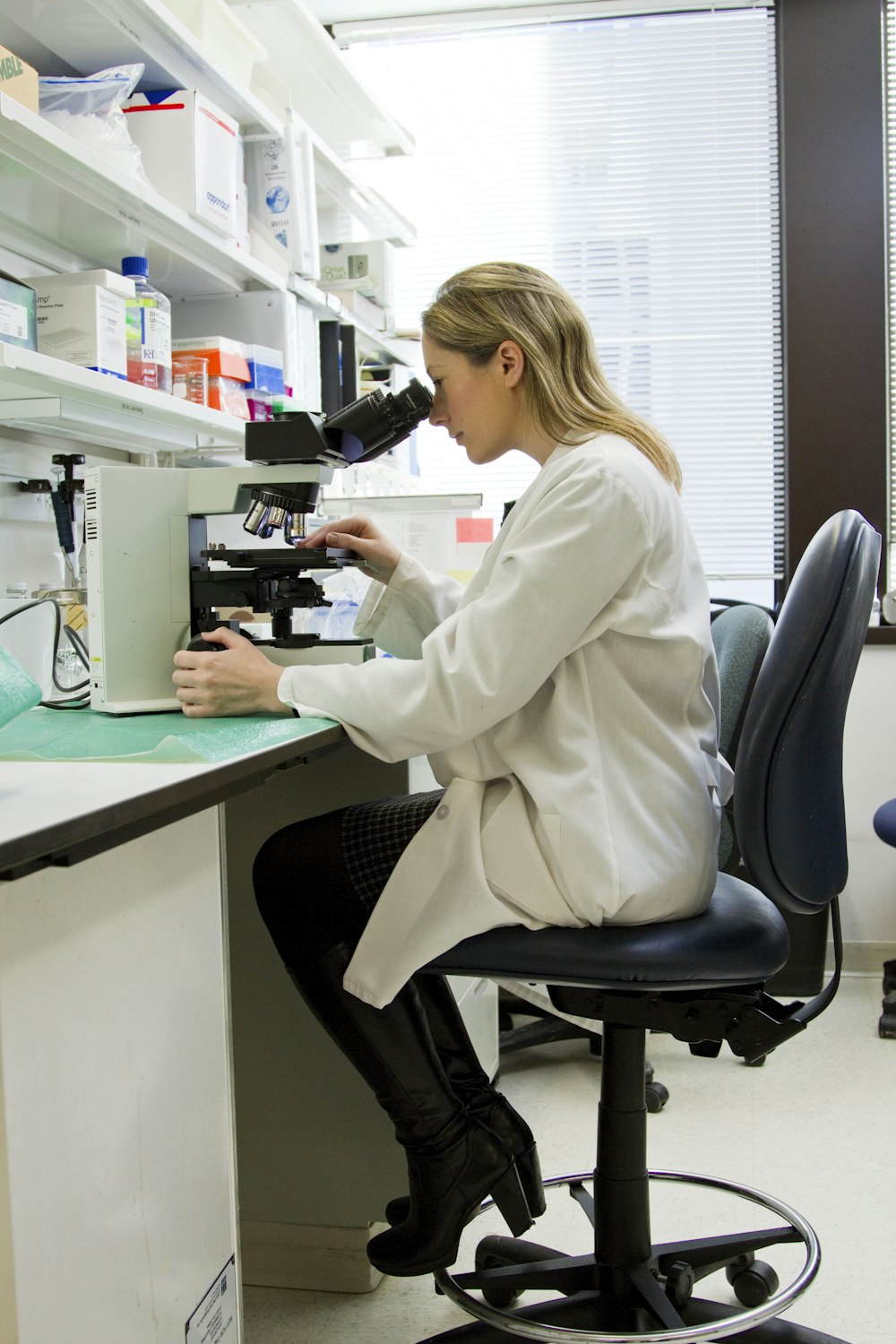
Specialized equipment is required for radiopharmaceutical production
The Scientist's Toolkit: Essential Equipment and Reagents
Radiopharmaceutical production requires specialized equipment and materials operating under strict regulatory standards.
| Tool/Reagent | Function | Examples/Specifications |
|---|---|---|
| Cyclotron | Produces positron-emitting radionuclides by bombarding stable atoms with high-energy particles | PETtrace 800 series, typically generating ¹⁸F, ¹¹C, ¹³N, ¹⁵O |
| Hot Cell | Lead-shielded enclosure for safe handling of high radioactivity levels | Radiation-protected workspace with robotic manipulators |
| Automated Synthesis Module | Performs radiolabeling reactions reliably and reproducibly | TRASIS AIO, GE FASTlab, Synthera; uses disposable cassettes |
| HPLC System | Purifies the final product and analyzes chemical purity | Equipped with radiation and UV detectors |
| Quality Control Equipment | Ensures product safety and compliance with specifications | pH meter, sterility testing, endotoxin testing, gas chromatograph |
| Precursors | Non-radioactive starting materials for radiolabeling | Methylmagnesium chloride for [¹¹C]acetate, specific precursors for each tracer |
The entire production process occurs in specialized facilities with significant infrastructure. Cyclotrons are often located on-site or regionally due to the short half-lives of most PET radionuclides. Automated synthesis modules have revolutionized production by increasing reliability and reducing radiation exposure to personnel3 . These systems use disposable cassettes pre-loaded with reagents, allowing radiochemists to produce clinical-grade radiopharmaceuticals with minimal manual intervention.
Case Study: The Development of [¹¹C]Acetate
To illustrate the radiopharmaceutical development process, let's examine the production of [¹¹C]acetate, a tracer used extensively in oncology and cardiology. This case study exemplifies the challenges and solutions in bringing a PET tracer from concept to clinic.
[¹¹C]acetate serves as a marker for oxidative metabolism and fatty acid synthesis, proving particularly valuable in imaging prostate cancer, hepatocellular carcinoma, and renal cancers where [¹⁸F]FDG performs suboptimally3 . The radionuclide carbon-11, with its 20.4-minute half-life, presents unique logistical challenges that demand rapid, efficient synthesis methods.
Experimental Procedure: Step-by-Step Production
The synthesis of [¹¹C]acetate using a TRASIS AIO automated synthesizer demonstrates the precision required in radiopharmaceutical production:
This entire process, from radionuclide delivery to final product, must be completed in less than 30 minutes to retain sufficient radioactivity for imaging while ensuring product quality.
Results and Impact: Beyond the Chemistry
The development of efficient [¹¹C]acetate production protocols has had significant clinical implications. The tracer accumulates in tissues with active oxidative metabolism, providing complementary information to the glycolytic metabolism measured by [¹⁸F]FDG.
| Cancer Type | Utility | Advantage Over [¹⁸F]FDG |
|---|---|---|
| Prostate Cancer | Detection of primary and recurrent disease | Lower background uptake in bladder and prostate bed |
| Hepatocellular Carcinoma | Detection and characterization of liver lesions | Minimal background uptake in normal liver tissue |
| Renal Cell Carcinoma | Evaluation of primary tumors and metastases | Reduced interference from urinary excretion |
| Other Cancers | Monitoring treatment response in various malignancies | Alternative metabolic pathway assessment |
This specific example illustrates how radiochemical innovation directly enables clinical advances. Without efficient, reliable production methods, even the most biologically promising tracers would remain inaccessible to patients.
From Bench to Bedside: Transformative Applications in Medicine
PET radiopharmaceuticals have revolutionized diagnosis and treatment monitoring across multiple medical specialties, with particularly profound impacts in oncology, neurology, and cardiology.
Oncology
Seeing Cancer in a New Light
The most established application of PET radiopharmaceuticals lies in cancer care. While [¹⁸F]FDG remains the workhorse for oncologic imaging, exploiting the Warburg effect (heightened glycolysis in cancer cells), newer tracers target more specific aspects of cancer biology2 :
Neurology & Psychiatry
Mapping the Mind
In the brain, PET radiopharmaceuticals allow noninvasive assessment of neurotransmitter systems, protein aggregates, and metabolic processes:
- Neurodegenerative Diseases: Amyloid and tau imaging agents enable detection of Alzheimer's pathology years before symptoms
- Movement Disorders: Dopaminergic tracers help differentiate Parkinson's disease2
- Psychiatric Disorders: Serotonin and dopamine system imaging provides insights into depression, schizophrenia, and addiction8
Cardiology
Visualizing Heart Health
In cardiology, PET radiopharmaceuticals assess blood flow, metabolism, and innervation:
PET Radiopharmaceutical Applications Distribution
The Future of PET Radiopharmaceuticals: Towards Precision Medicine
The field of PET radiopharmaceuticals continues to evolve rapidly, driven by chemical innovation, technological advances, and growing understanding of disease biology.
Theranostics
The concept of theranostics—pairing diagnostic and therapeutic radiopharmaceuticals that target the same molecule—represents a paradigm shift in nuclear medicine. For example, [⁶⁸Ga]Ga-PSMA-11 identifies prostate cancer lesions, while its therapeutic counterpart [¹⁷⁷Lu]Lu-PSMA-617 delivers targeted radiation to those same sites9 . This approach ensures that only patients with demonstrated target expression receive targeted radiotherapy, maximizing efficacy while minimizing side effects.
Novel Radionuclides & Chemistry
Researchers are expanding the radiochemist's toolkit with new radionuclides and labeling methods:
Regulatory Evolution
Regulatory agencies are adapting to the unique characteristics of radiopharmaceuticals. Recent FDA guidance has streamlined requirements for certain PET drugs, no longer mandating preclinical dosimetry studies for short-lived radionuclides when doses remain below established thresholds1 . This regulatory evolution accelerates the translation of new tracers from bench to bedside.
"The success of PET as a medical imaging technique is dependent on the creation of suitable radiotracers"
Conclusion: A Window into the Living Body
PET radiopharmaceuticals represent one of the most powerful examples of translational science, blending chemistry, physics, biology, and medicine to see the unseeable. These remarkable molecules have progressed from crude tools measuring basic physiological functions to precision instruments mapping molecular interactions throughout the body.
As radiochemical innovation continues, the future promises even more sophisticated tracers capable of visualizing increasingly specific biological processes—from immune cell interactions in cancer immunotherapy to protein misfolding in neurodegenerative diseases. Each new radiopharmaceutical adds another lens through which we can observe the intricate workings of the human body, transforming both medical practice and fundamental biological understanding.